I’m going to make a confession: I’d never visited Dorset. Not once.
When people talk about visiting, it’s always the headline spots. Durdle Door. Lulworth Cove. The massive crowds in July. But for my first trip, I decided to do something a bit different. I headed straight inland to explore the quiet, authentic side of the county instead.
I spent a few days finding hidden gems in Dorset that most visitors skip entirely. No coach parties. No queues. Just slow mornings, seasonal food and views that made me pause and just take it all in.
This turned out to be the absolute best introduction to the county I could have asked for. Here’s everywhere I went, and why you need to add it to your own bucket list.
Affiliate links ahead! Clicking them might earn me a small commission at no extra cost to you. This helps keep my blog running and the tips coming – thank you!
| Booked It, Loved It: My Dorset Picks Where To Stay: The Grosvenor Arms, Shaftesbury Highlights: Ghost Walk, Shaftesbury Car Rental: DiscoverCars |
Why Inland Dorset Deserves Your Time
When you look up Dorset online, it’s non-stop Durdle Door, beaches and coastal walks. And they are breathtaking. But focusing purely on inland Dorset for this trip showed me a completely different side of the county.
The moment I headed into the countryside, everything slowed down.
I teamed up with Visit Dorset on a PR trip to explore the area’s inland hidden gems. It gave me the perfect chance to discover a quieter, gentler side of Dorset that so many people miss.
There’s a different rhythm here. Farm shops instead of ice cream vans. Church bells instead of traffic. Early September brought glorious sunshine and a warm, golden haze across the fields and quiet back roads with hardly another car in sight.
If you want discovery-led travel, this is where you find it.
Milton Abbas and Cerne Abbas
Start here if you want postcard-perfect England without the crowds.
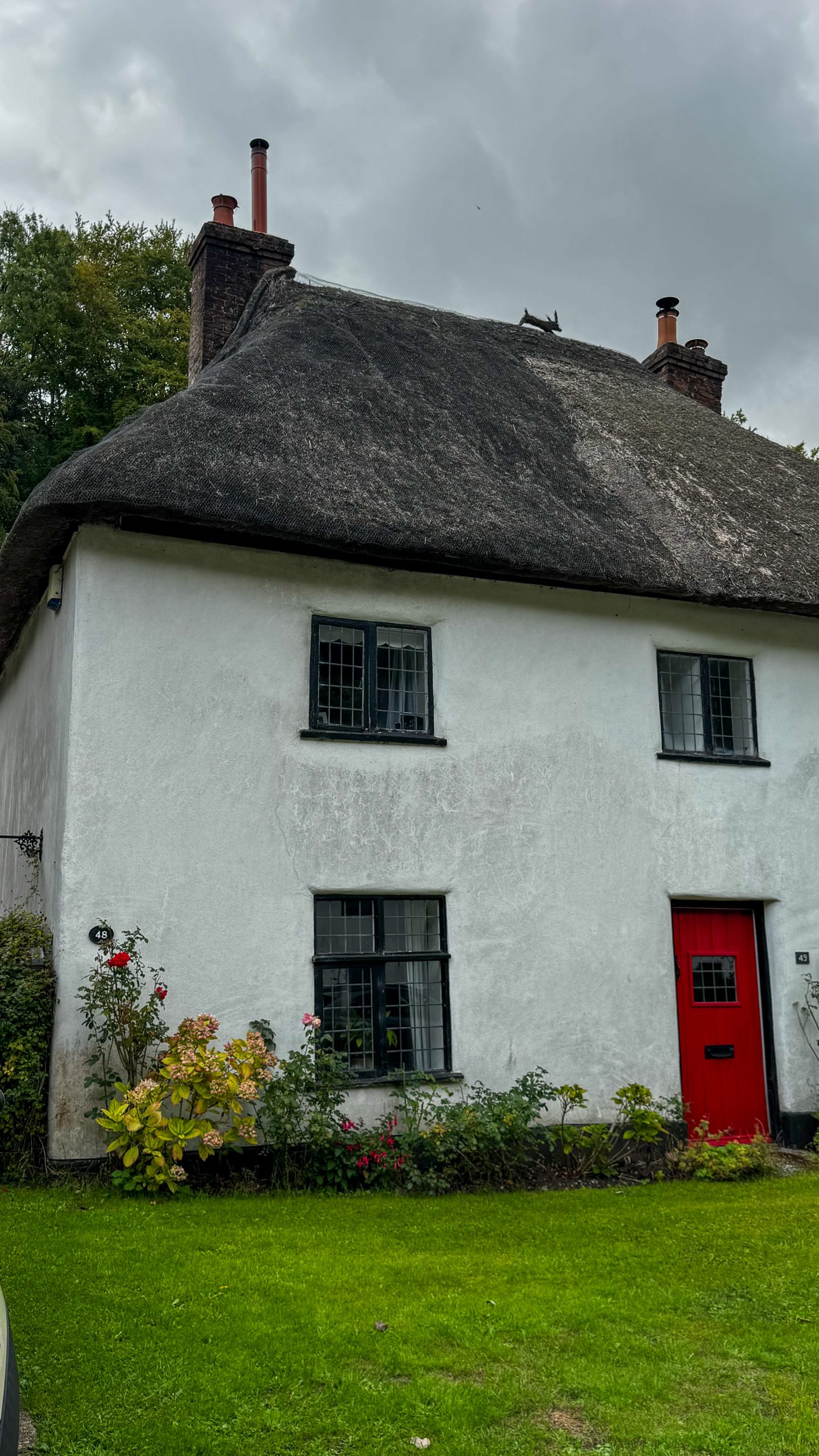
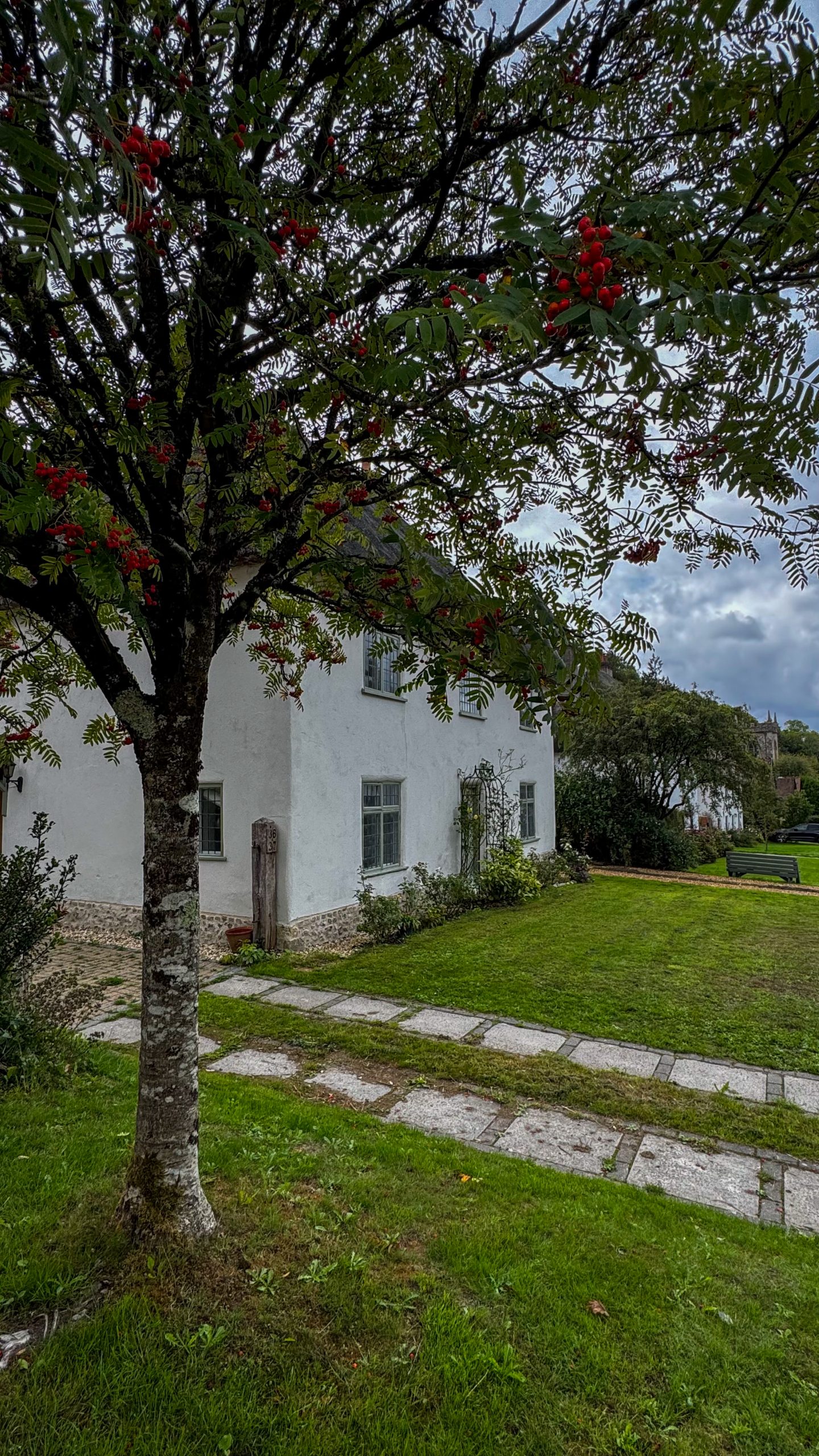
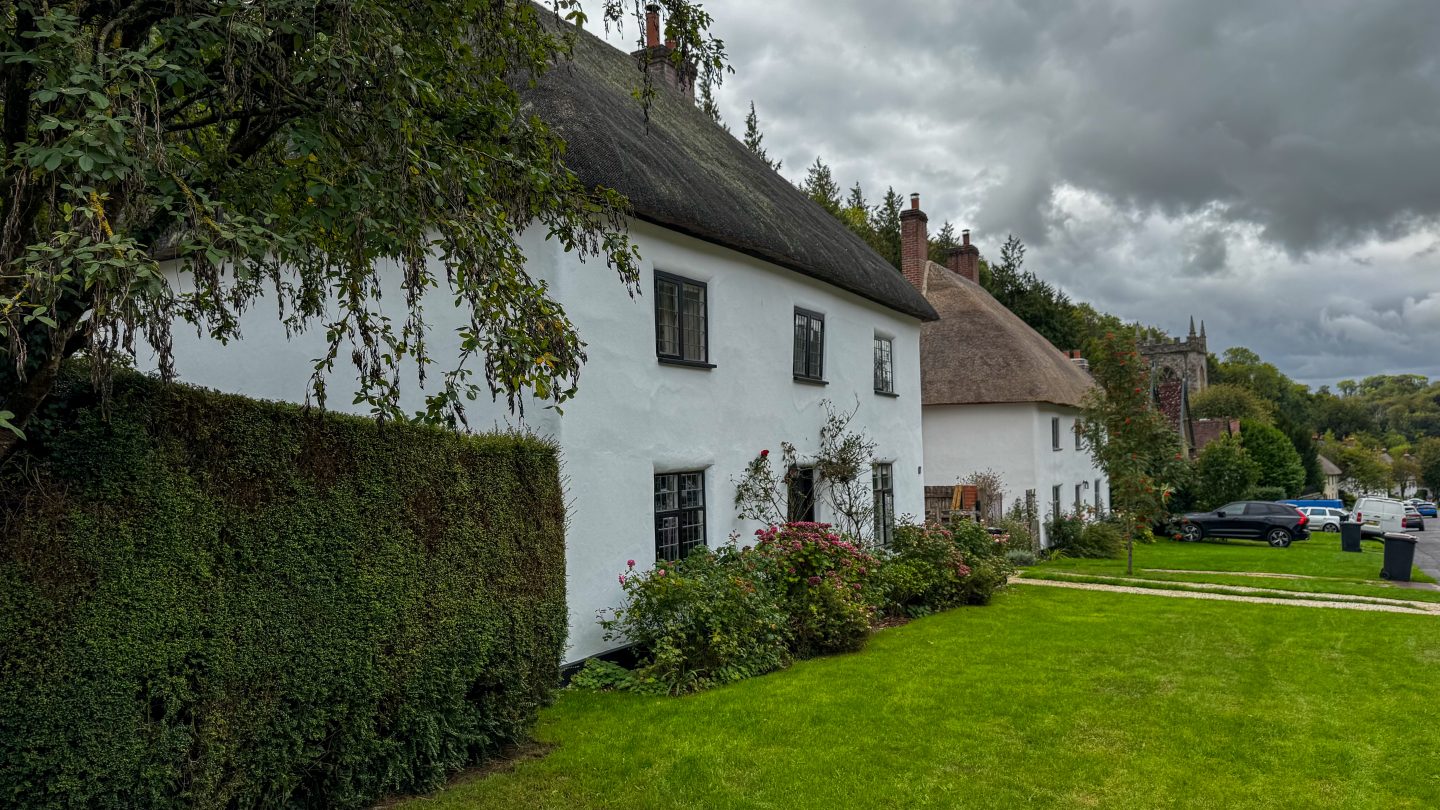
Milton Abbas is easily one of the prettiest villages I’ve ever walked through. Identical thatched cottages line up in a neat row down the valley, surrounded by vast green lawns.
There’s actually a crazy history behind why it looks like this. In the 18th century, the local Earl decided the original town was spoiling his view. So, he had the entire village demolished and rebuilt right here.
It almost felt staged when I walked through. While you’ll spot resident cars parked outside the houses, the street itself feels wonderfully peaceful and quiet. That’s just how this sweet village lives every day.
Cerne Abbas sits just a short drive away and is equally charming. It’s full of independent shops, historic timber-framed houses, and the quiet ruins of an ancient abbey.
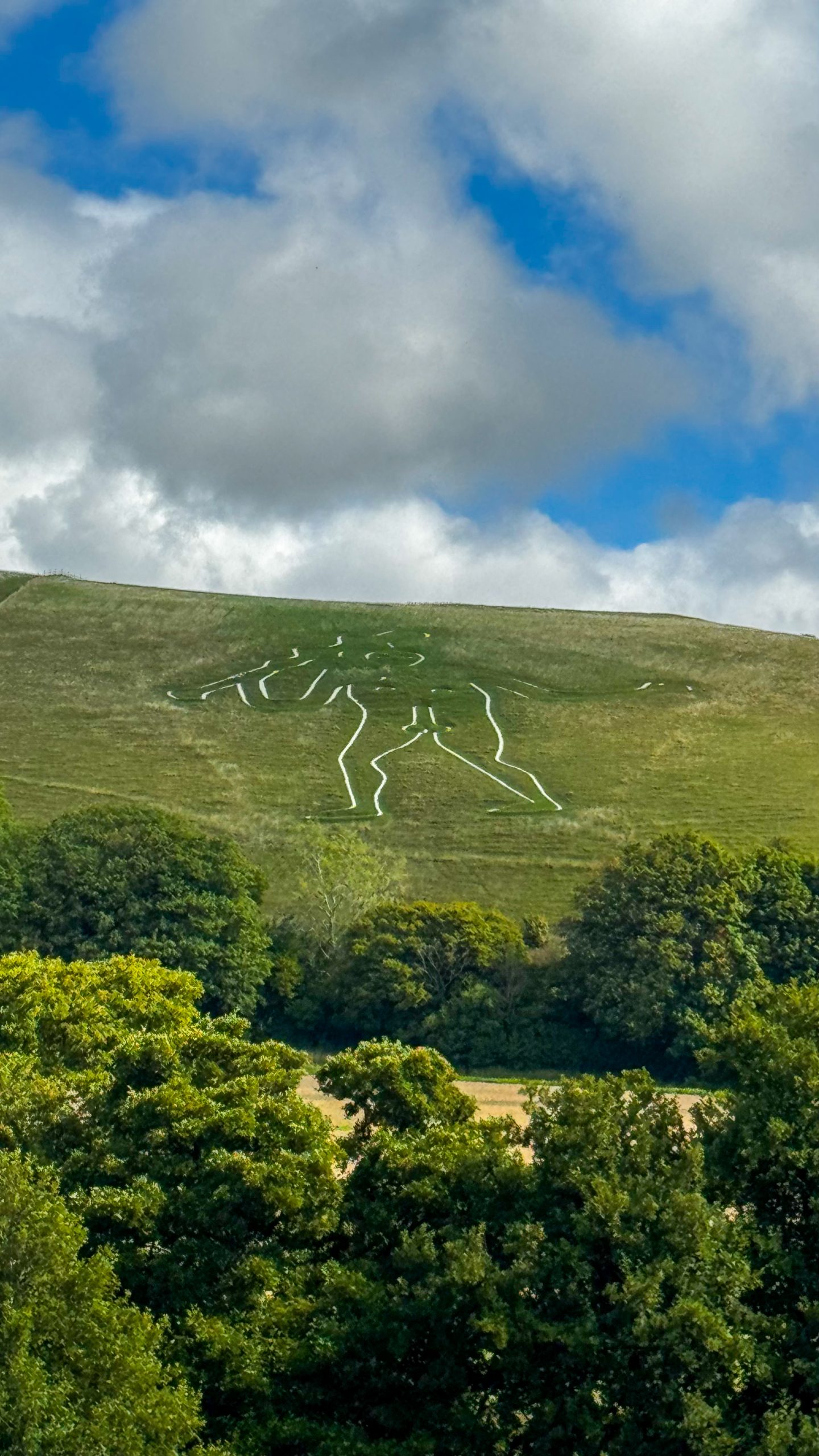
And of course, there’s that famous giant hill figure carved into the chalk hillside that everyone’s heard of, but few actually stop to visit properly. Make sure you head up to the viewpoint to see it in all it’s naked glory!
The village itself deserves far more time than people give it. Grab a coffee, wander down the historic side streets, and give yourself a full morning here. You won’t want to rush it.
Compton Abbas Airfield and Lunch at Lore of the Sky
This one surprised me.
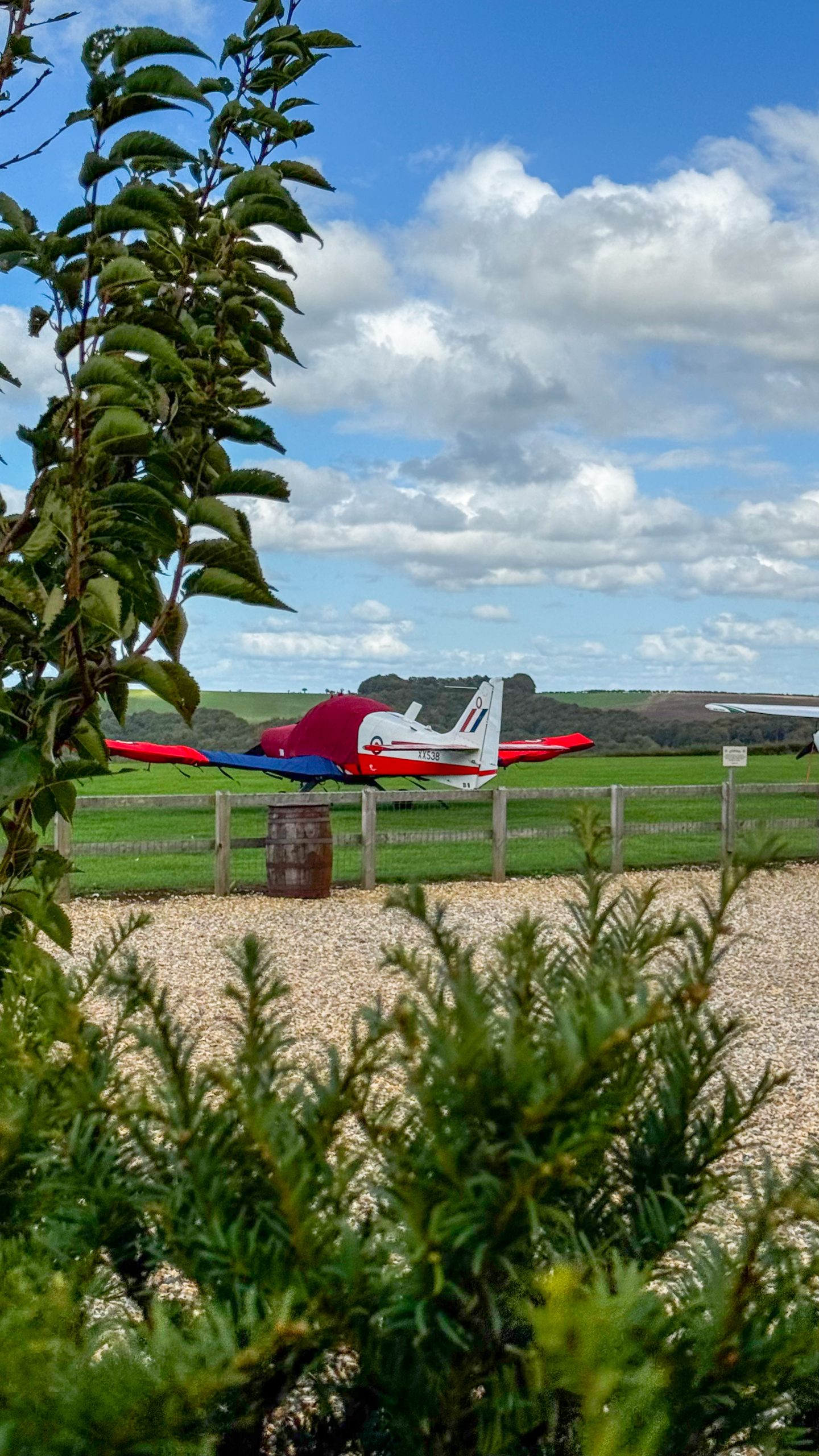
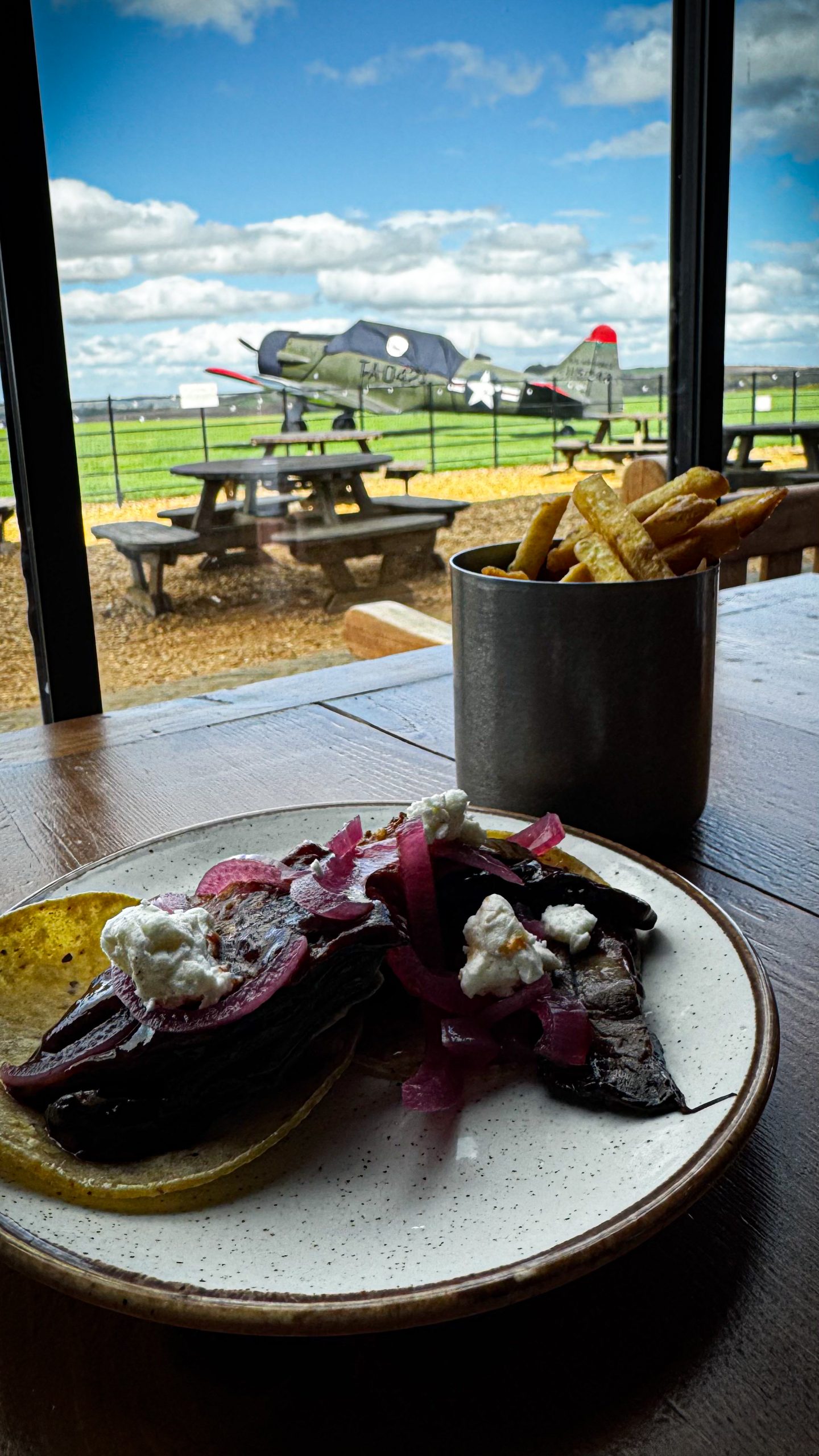
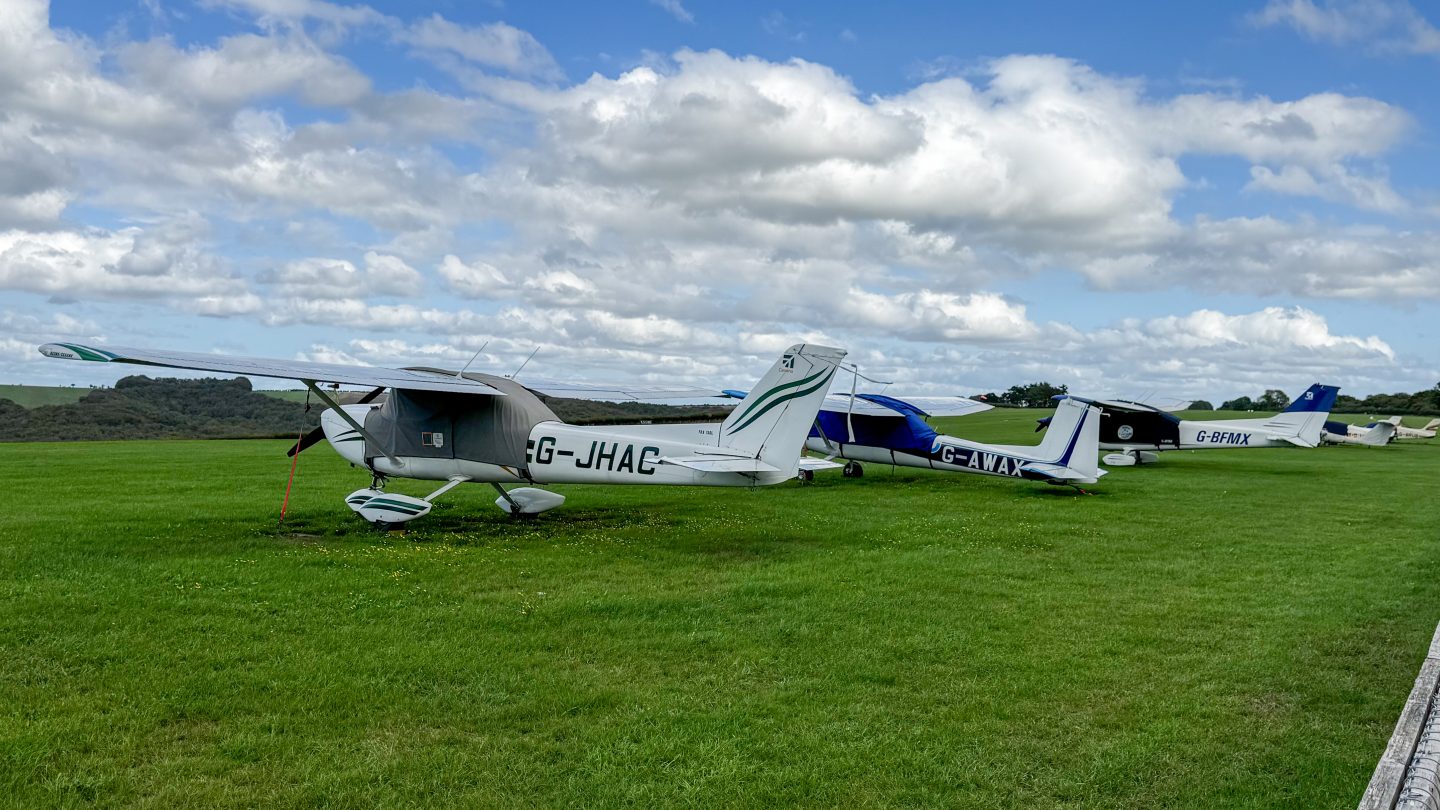
Compton Abbas Airfield sits high on the Dorset hills, and you can watch small planes take off while you eat lunch. There’s something wonderfully unexpected about a working airfield tucked into farmland like this.
Lore of the Sky is the restaurant here, and it’s was one of my favourite lunch stops in the county. Big windows, big views, proper home-cooked food.
Everything felt unhurried, from the service to the setting. It’s not somewhere you’d stumble across. You have to know it’s there. Now you do.
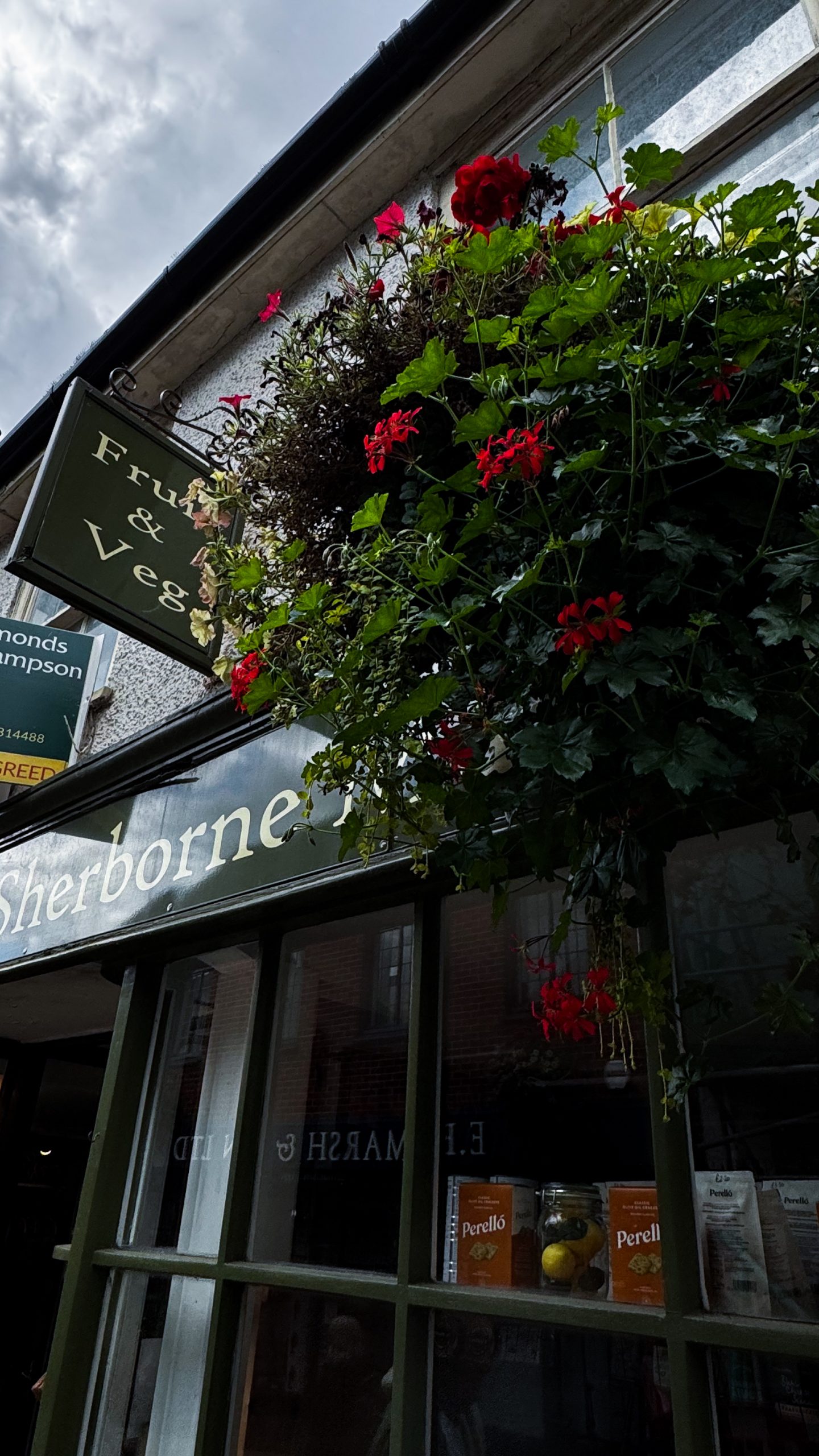
Sherborne: Abbey, Shops, and the Best Cake in Dorset
Sherborne is a proper market town, and it deserves more attention than it gets.
The moment you walk inside, look straight up. The famous fan-vaulted ceiling is magnificent. It stretches all the way down the nave in these incredible, intricate stone patterns that almost don’t feel real.
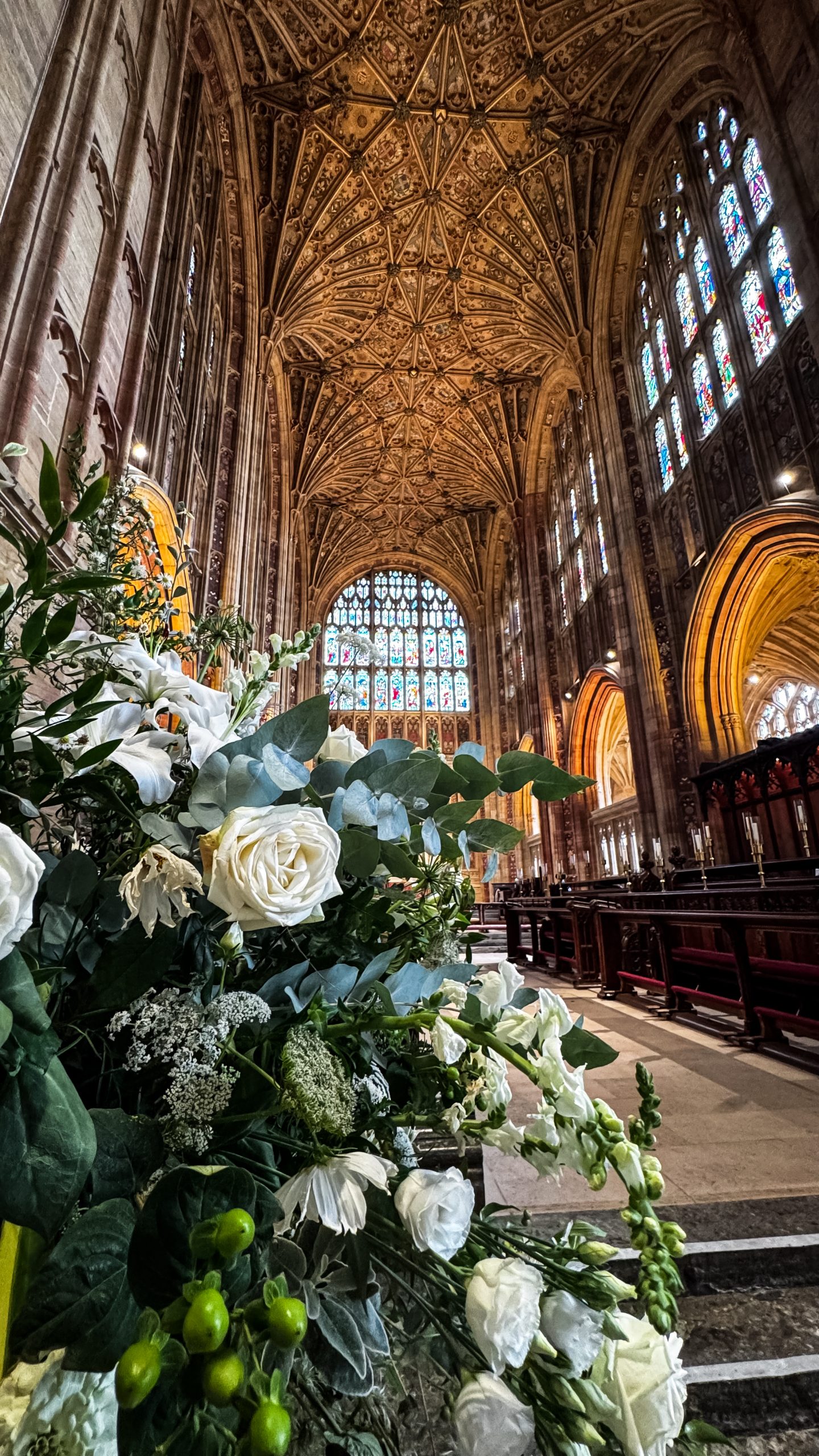
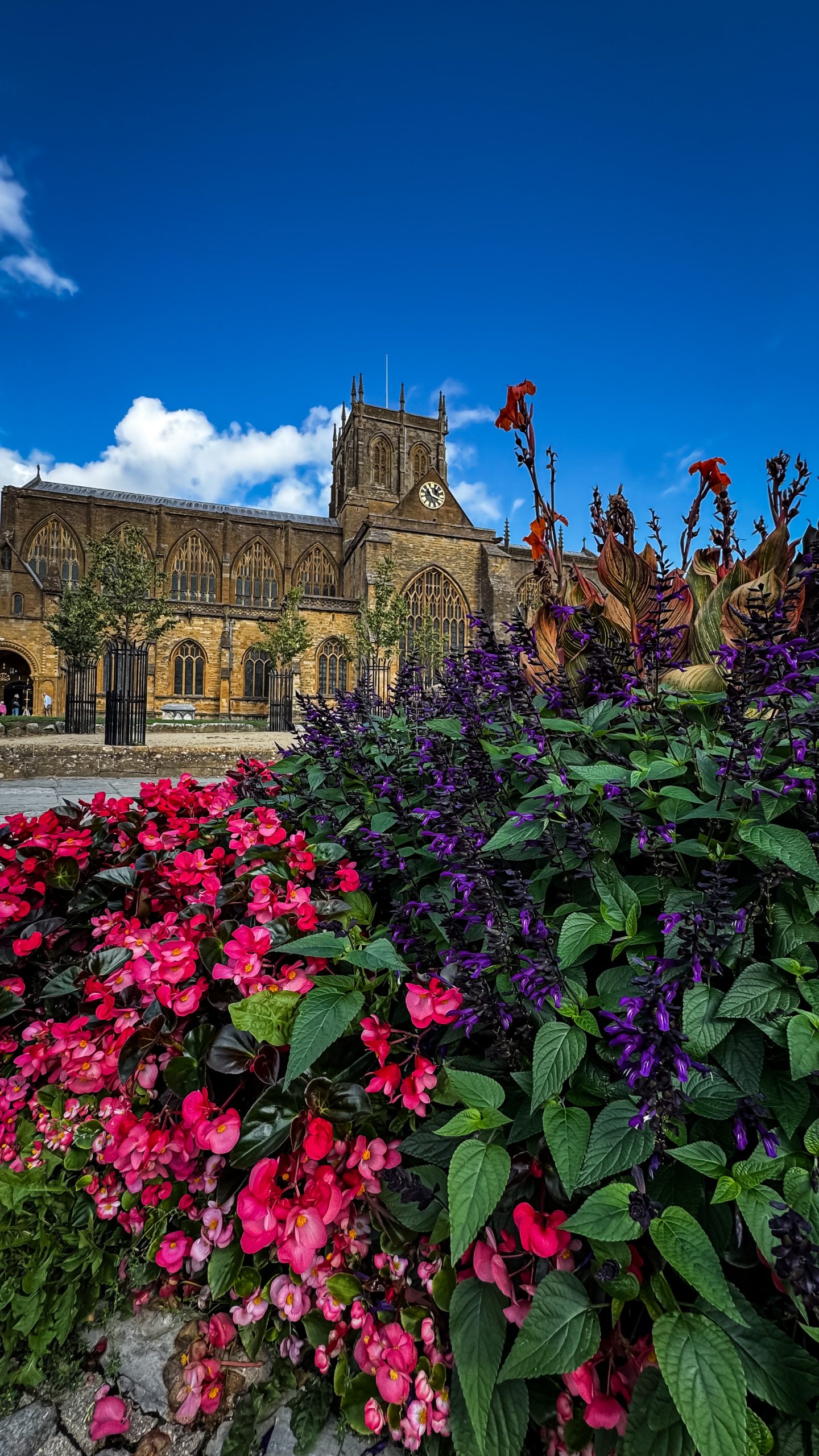
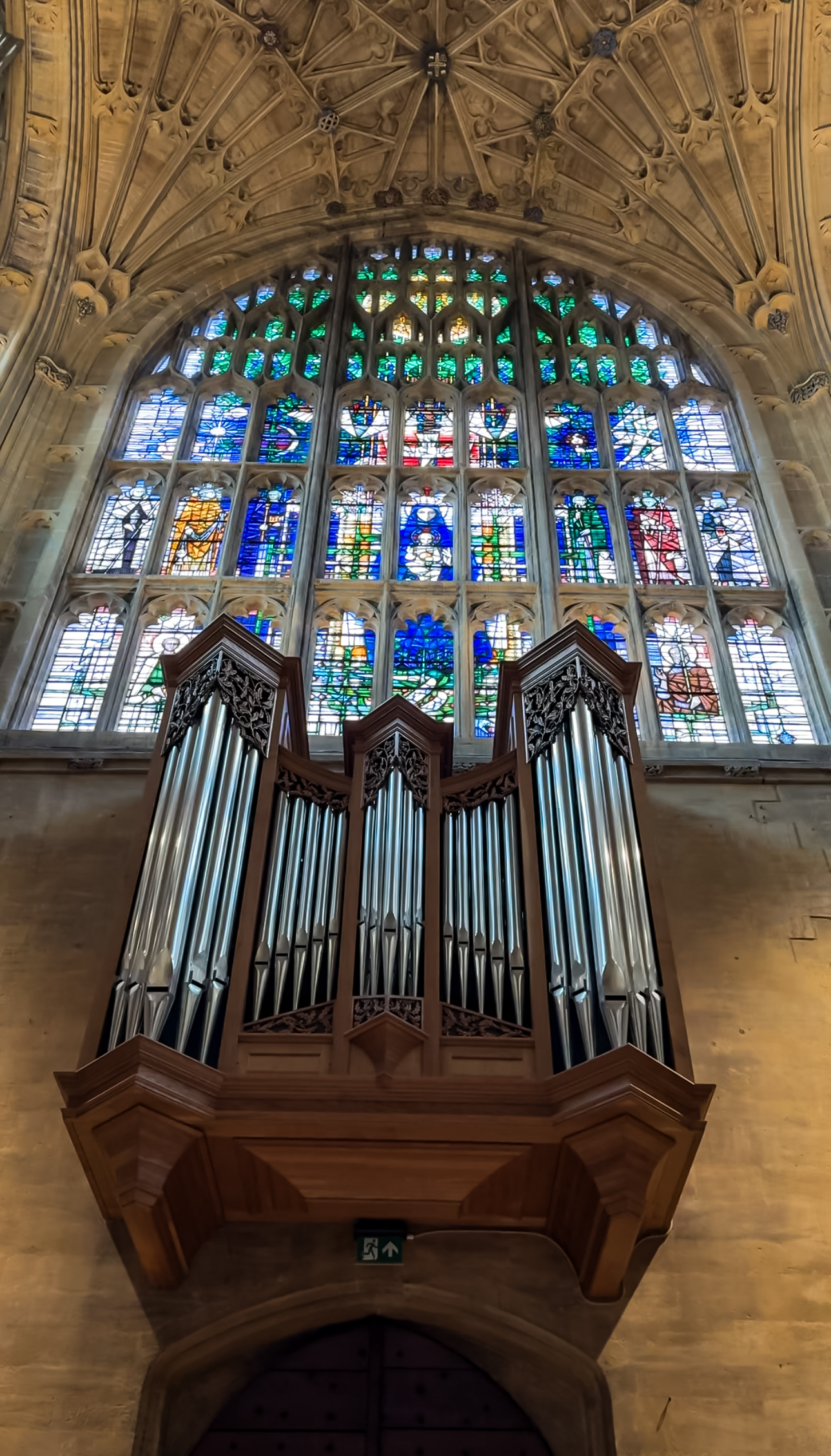
The sheer scale and craftsmanship of the place inside is genuinely humbling.
After the abbey, wander the independent shops along the high street. Sherborne does small, characterful businesses brilliantly.
Then stop at Olivers Coffee House for a treat. I ordered a full afternoon tea, even though it was only mid-morning! Everything is baked fresh on site, and the cake selection is huge.
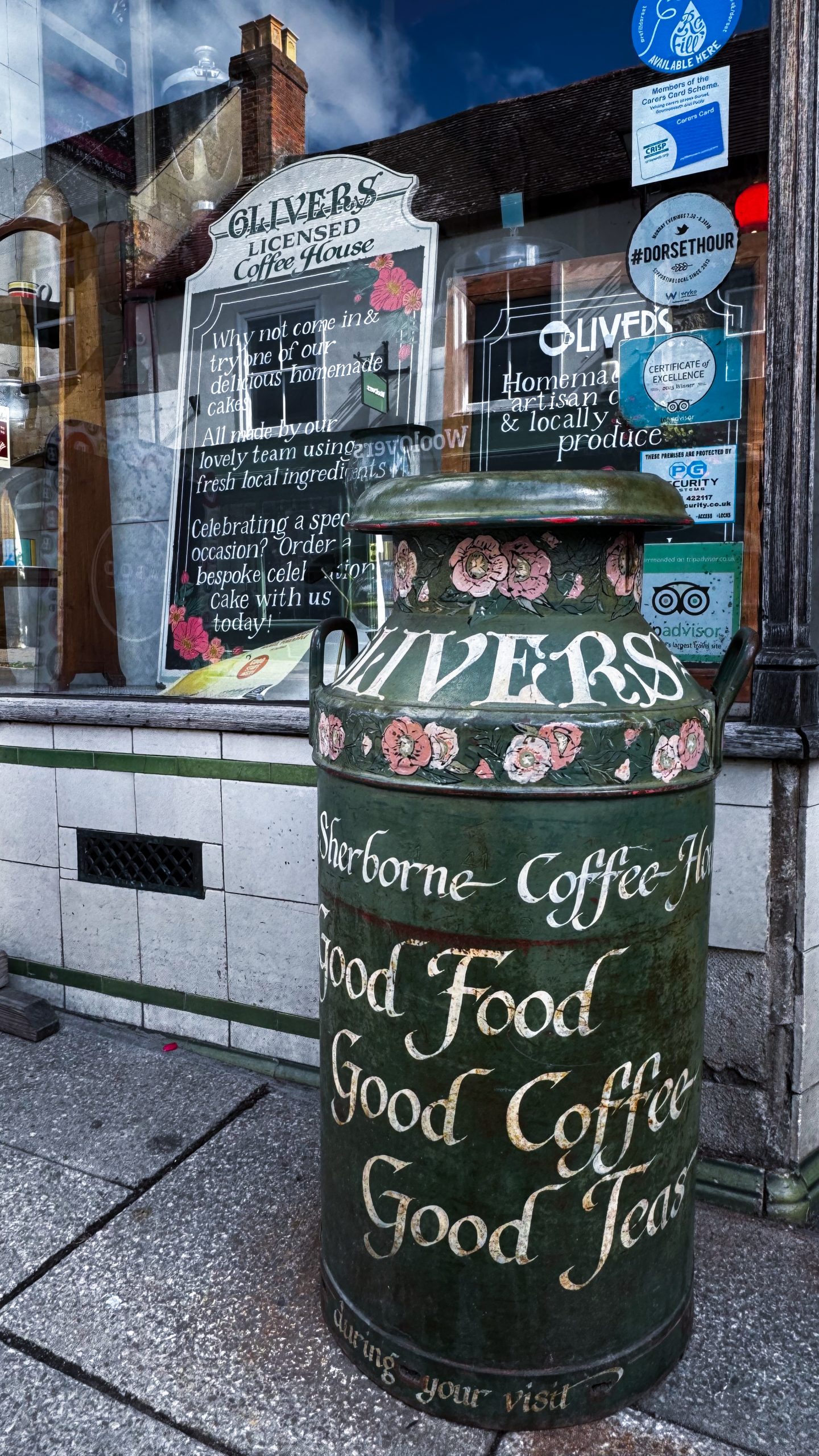
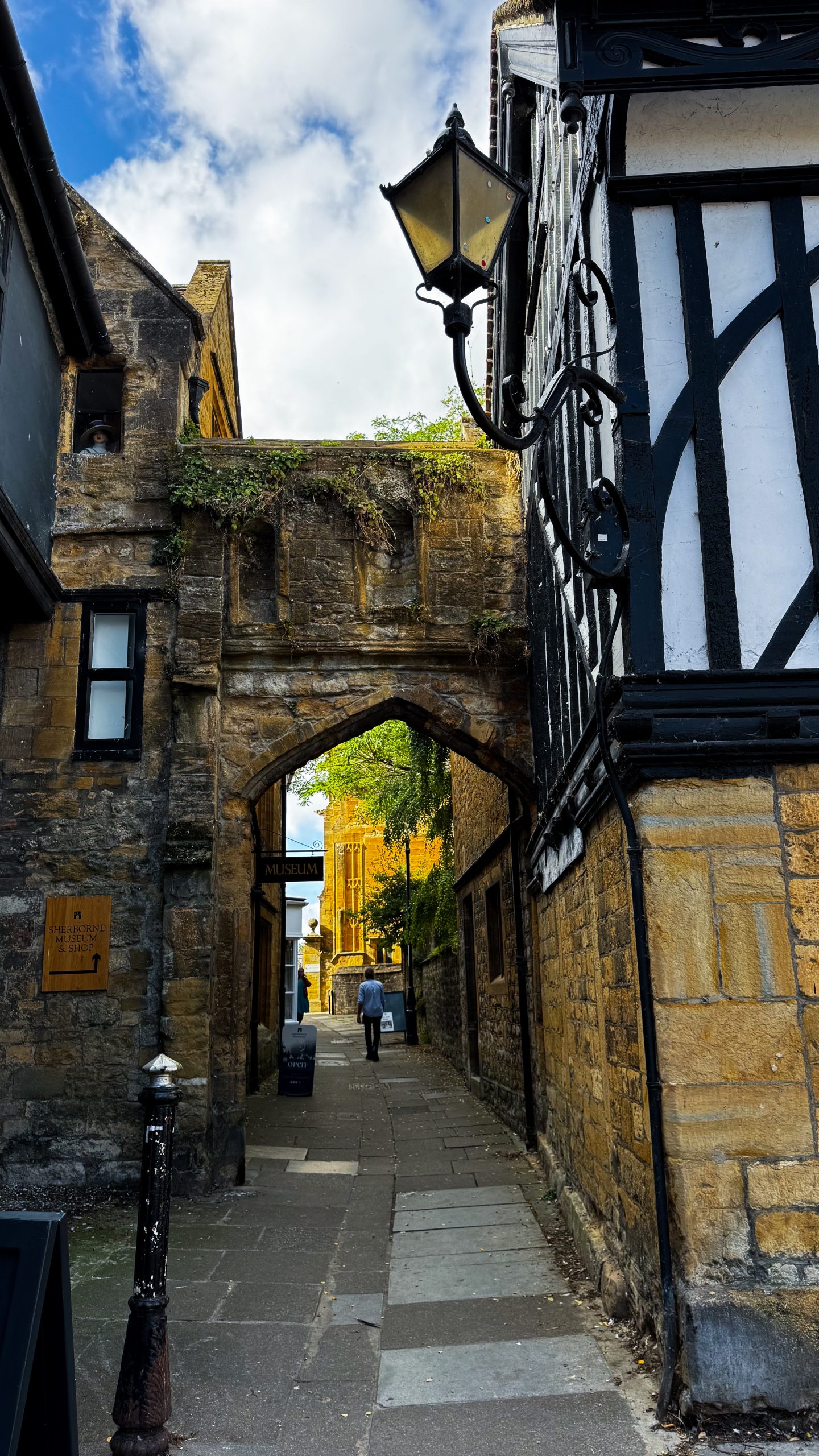
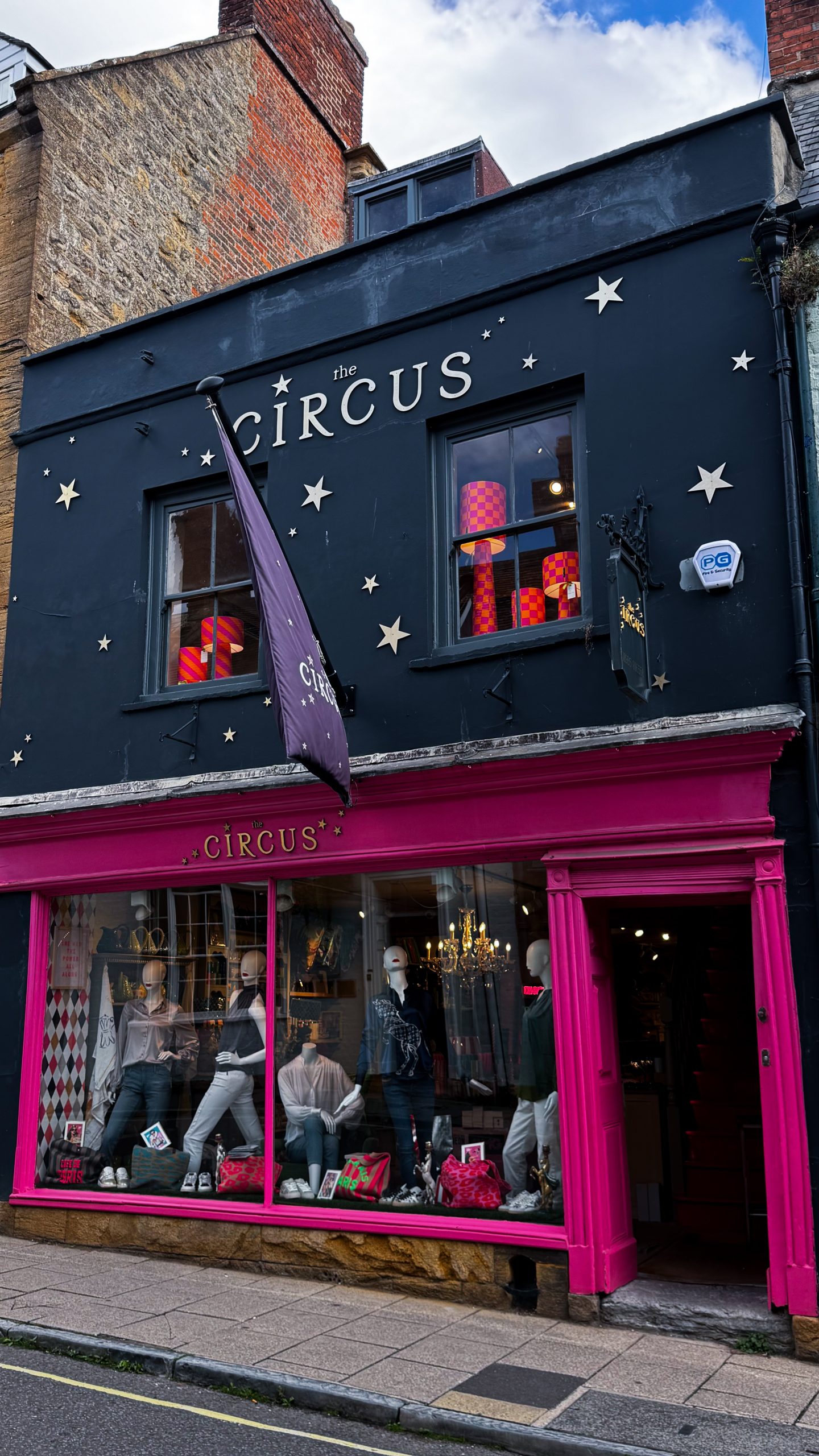
Shaftesbury: Gold Hill and Castle Hill
Gold Hill is famous for a reason.
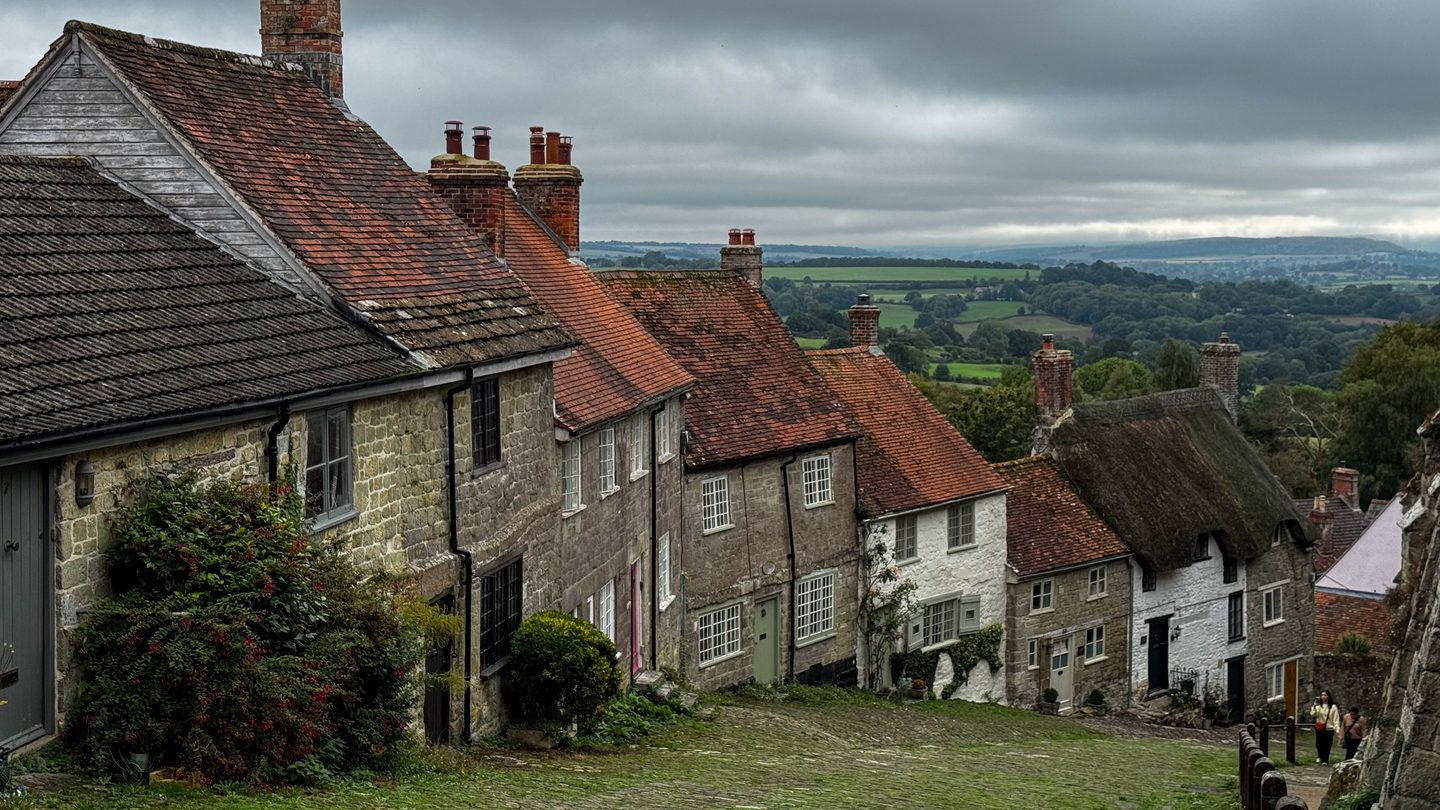
This steep cobbled street lined with thatched cottages was made famous by the iconic Hovis bread advert back in the 1970s. But photos don’t do the scale justice.
Stand at the top, and the rolling landscape of Blackmore Vale stretches out as far as you can see.
Don’t be afraid to take photos holding a Hovis loaf at the top – it’s practically encouraged! Just make sure you wear comfy shoes, because walking up and down that hill is no joke.
I stopped for lunch at The Salt Cellar, which sits right at the top of the hill. Sitting outside with food while taking in that iconic view on a warm afternoon was easily one of my favourite moments of the trip.
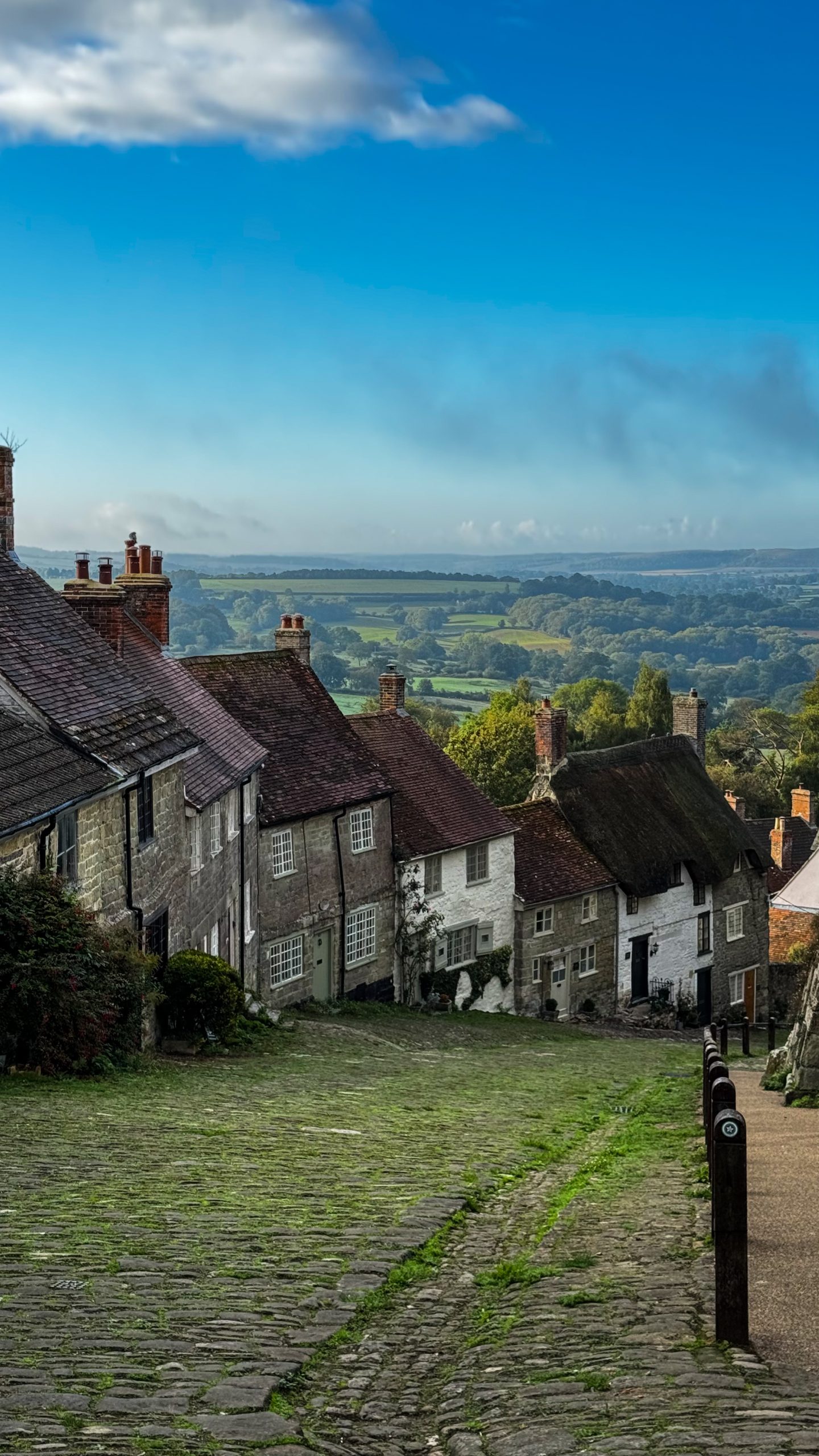
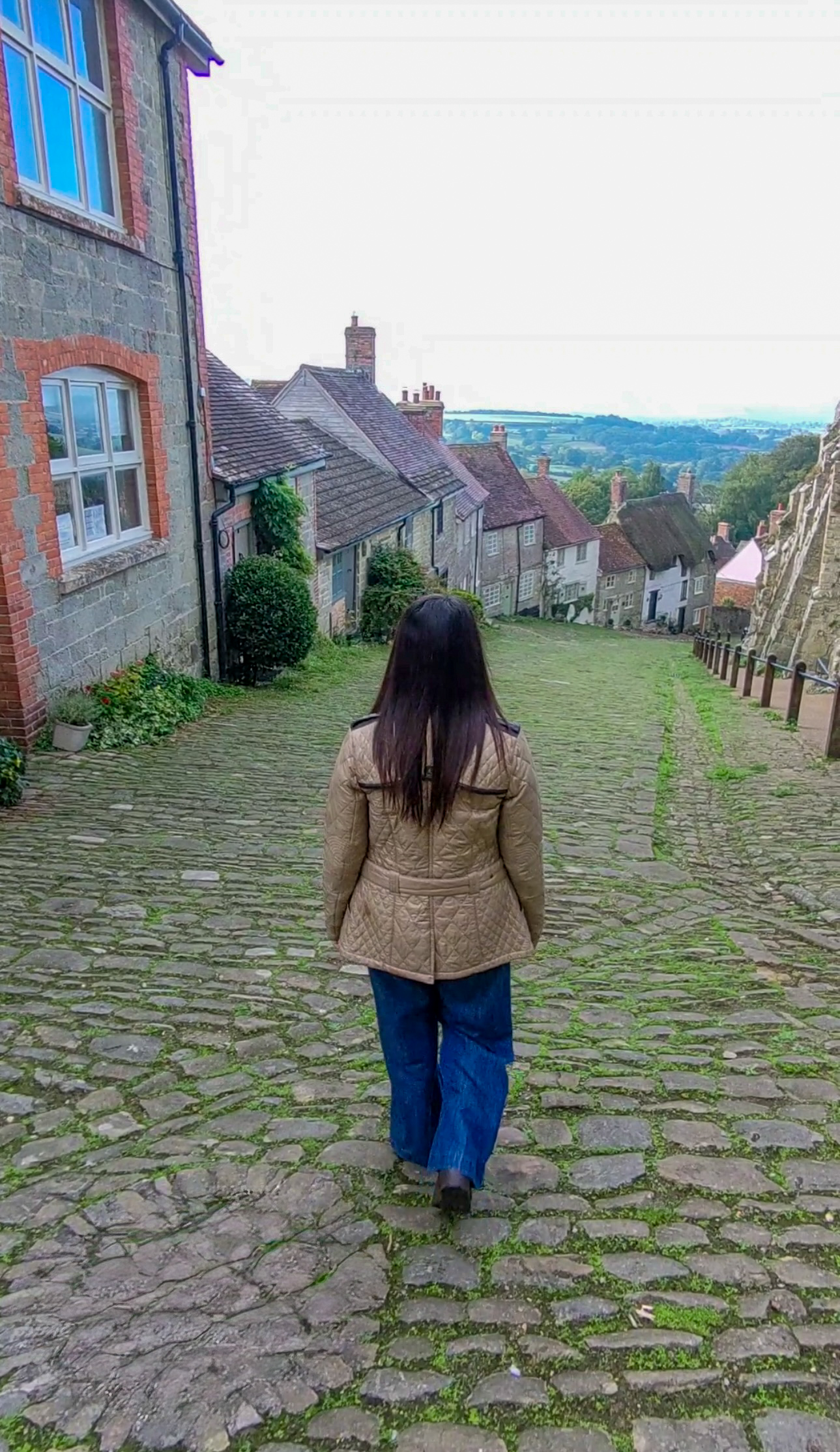
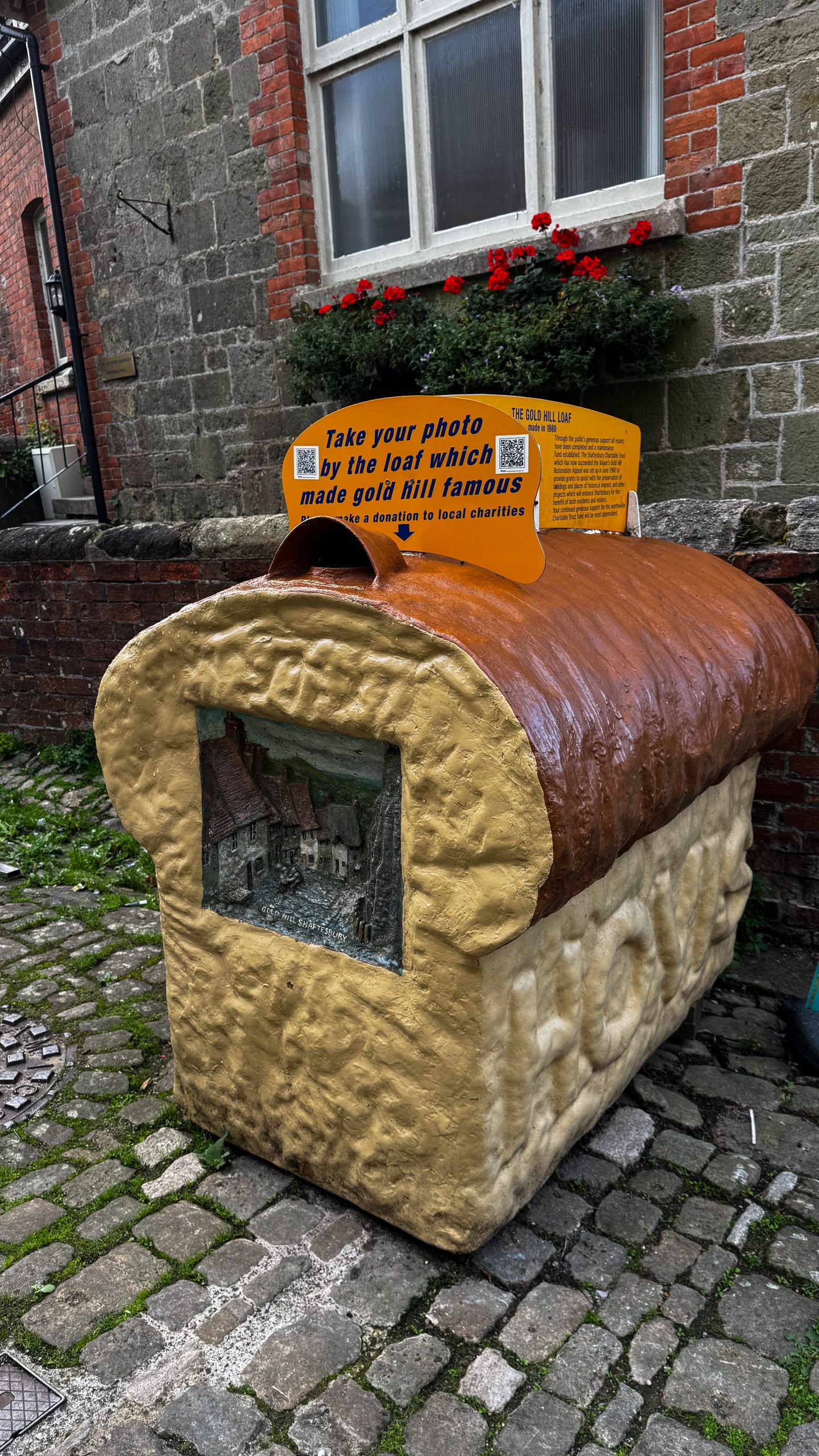
Once you’ve snapped your photos, take a stroll down Park Walk beside the abbey ruins, then head over to Castle Hill.
At 750 feet above sea level, Shaftesbury is one of the highest towns in England.
The 180-degree views from Castle Hill stretch across Dorset right into Somerset – on a clear day, you can even spot Glastonbury Tor in the distance.
There’s huge royal history here too.
King Alfred the Great actually founded the town back in 880 AD. I sat up here for a long time. It was calm, clean, quiet and completely unhurried.
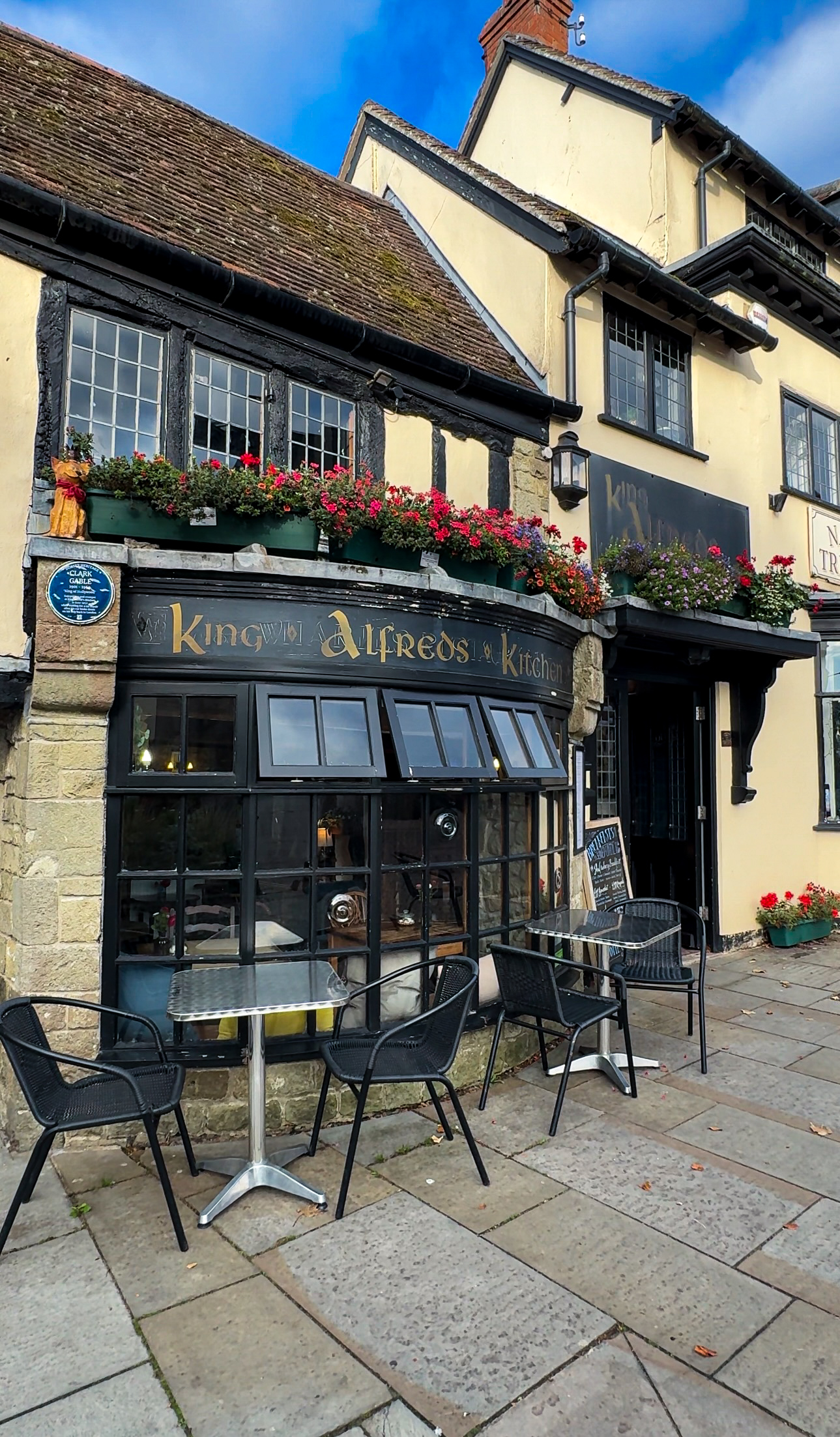
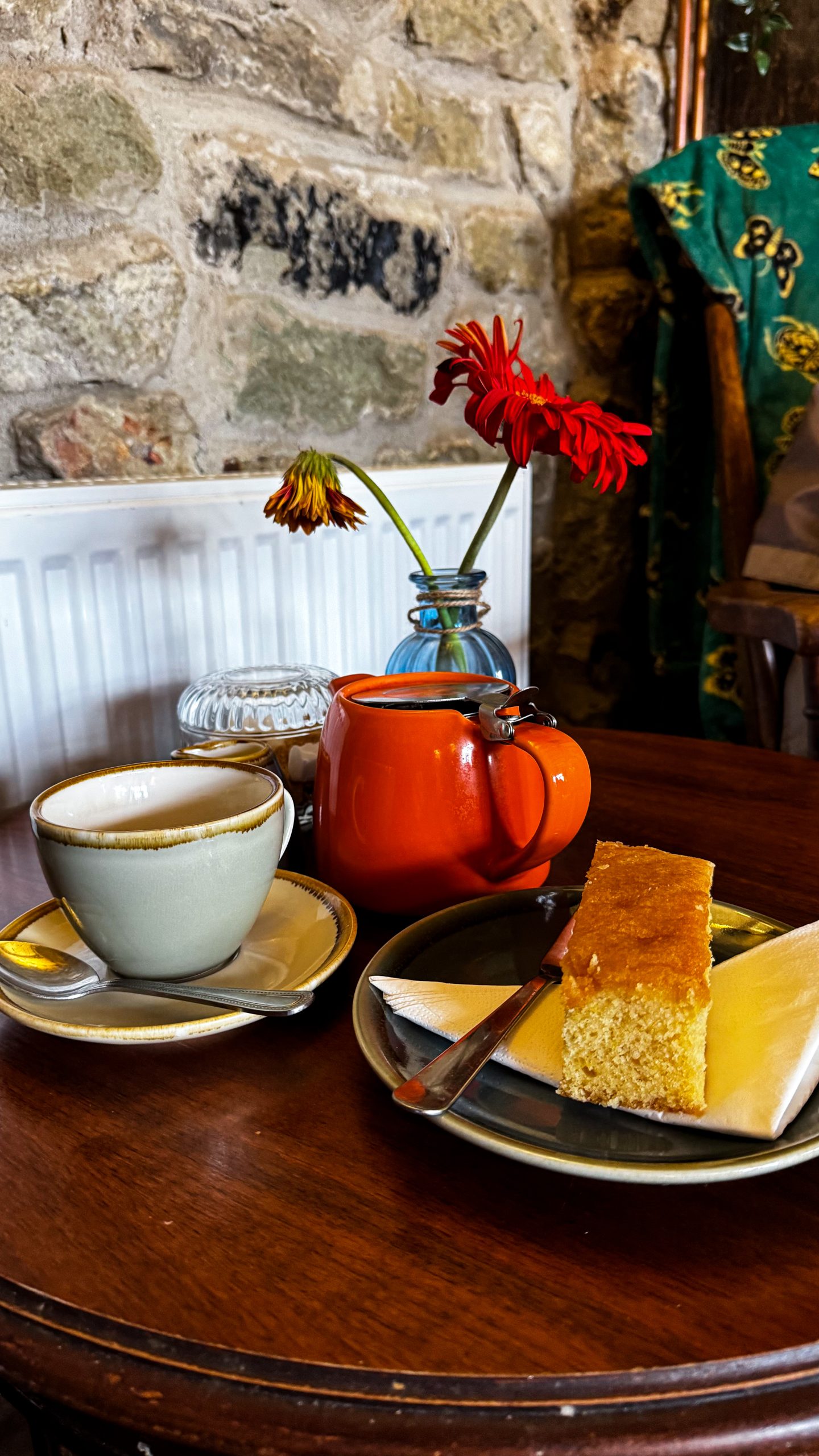
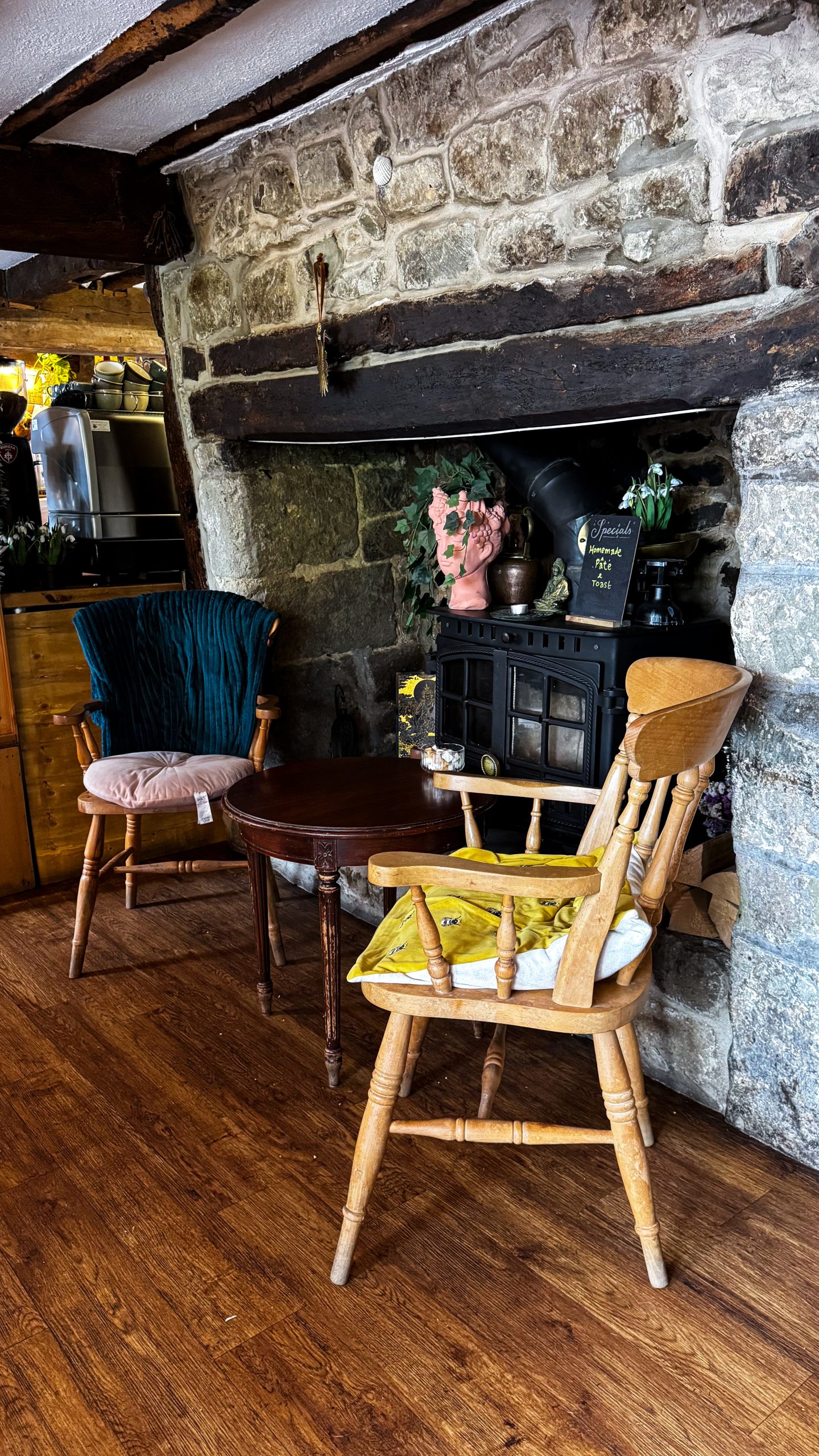
After that, wander along the independent shops on Shaftesbury’s high street. It’s full of small, local businesses that make a great contrast to the main tourist spot.
Make sure you stop for a tea or coffee and a slice of freshly baked cake. There are lots of cute, independent cafes to choose from.
| Where To Stay The Grosvenor Arms, Shaftesbury |
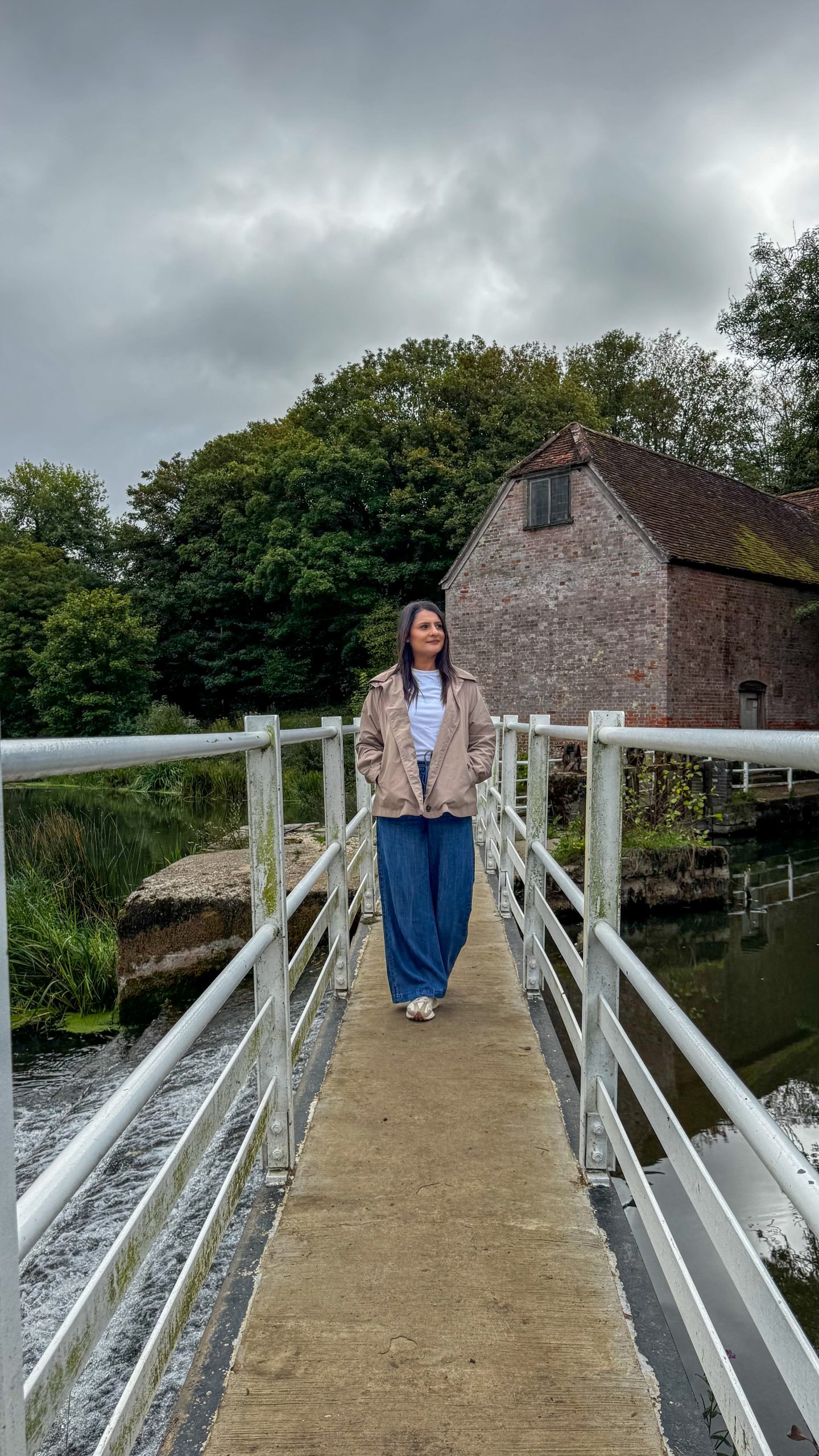
Sturminster Newton Mill
This is one of Dorset’s true hidden gems, and hardly anyone talks about it.
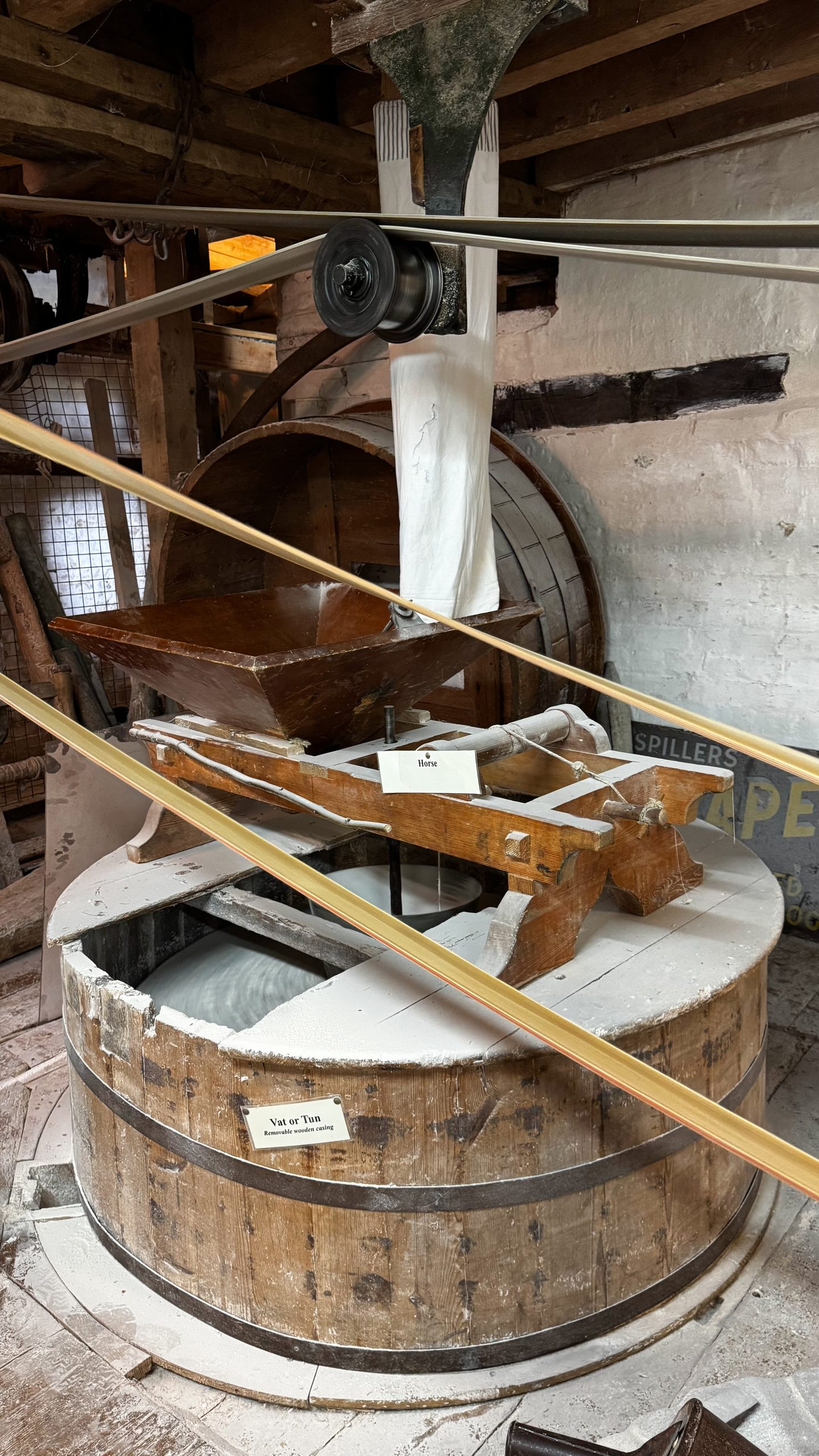
Sturminster Newton Mill sits right on the River Stour, and it’s one of the oldest working mills in England. Over 1,000 years of history, on this exact spot.
For a small fee, you can actually go inside and watch the milling machinery in action.
You can even buy bags of flour that have been ground right there on site. They also stock a lovely range of fresh local produce from around the county, including regional honey, marmalades and relishes. Let’s just say I spent a lot of money while I was in there!
If you care about slow travel and real stories, this belongs on your list.
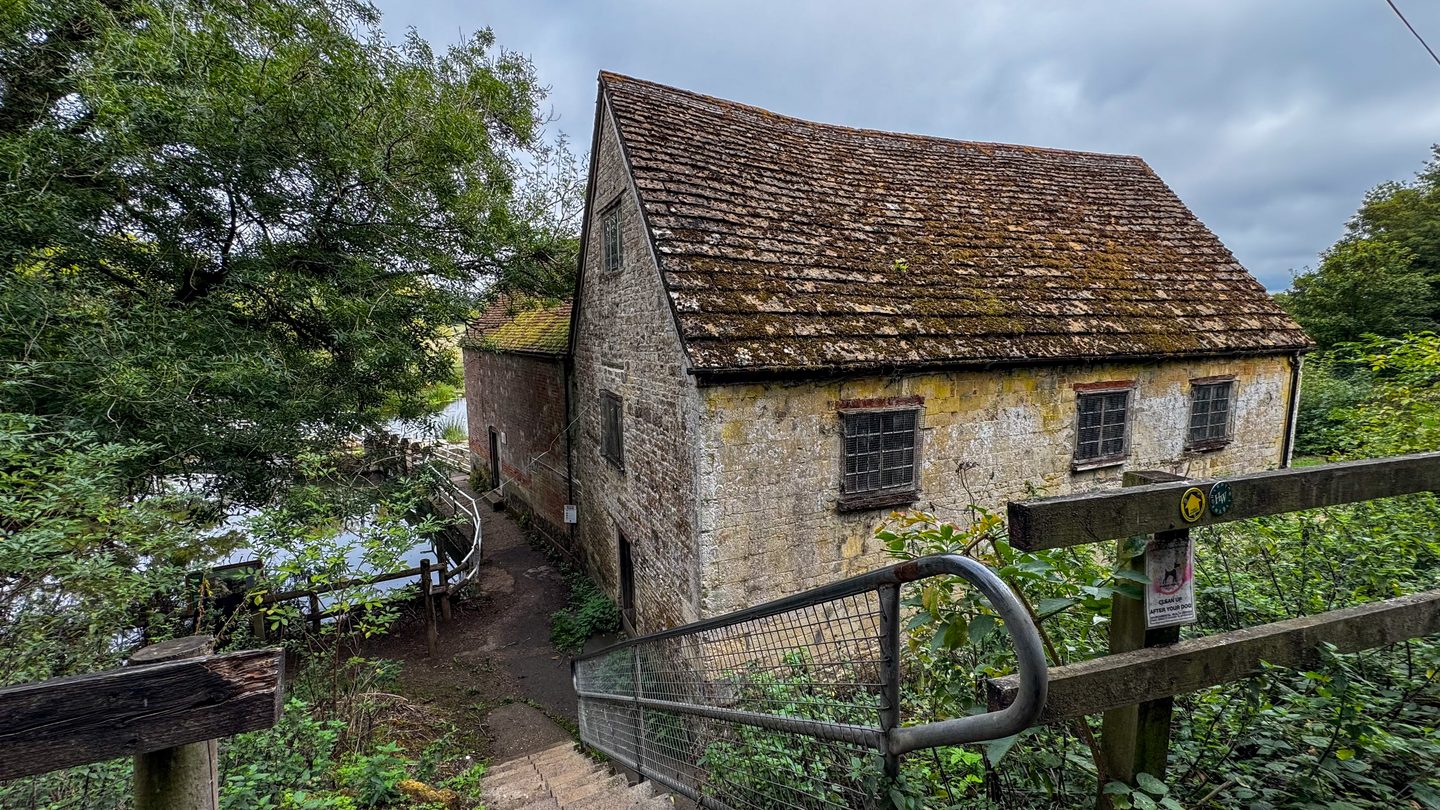
Knowlton Church and Earthworks
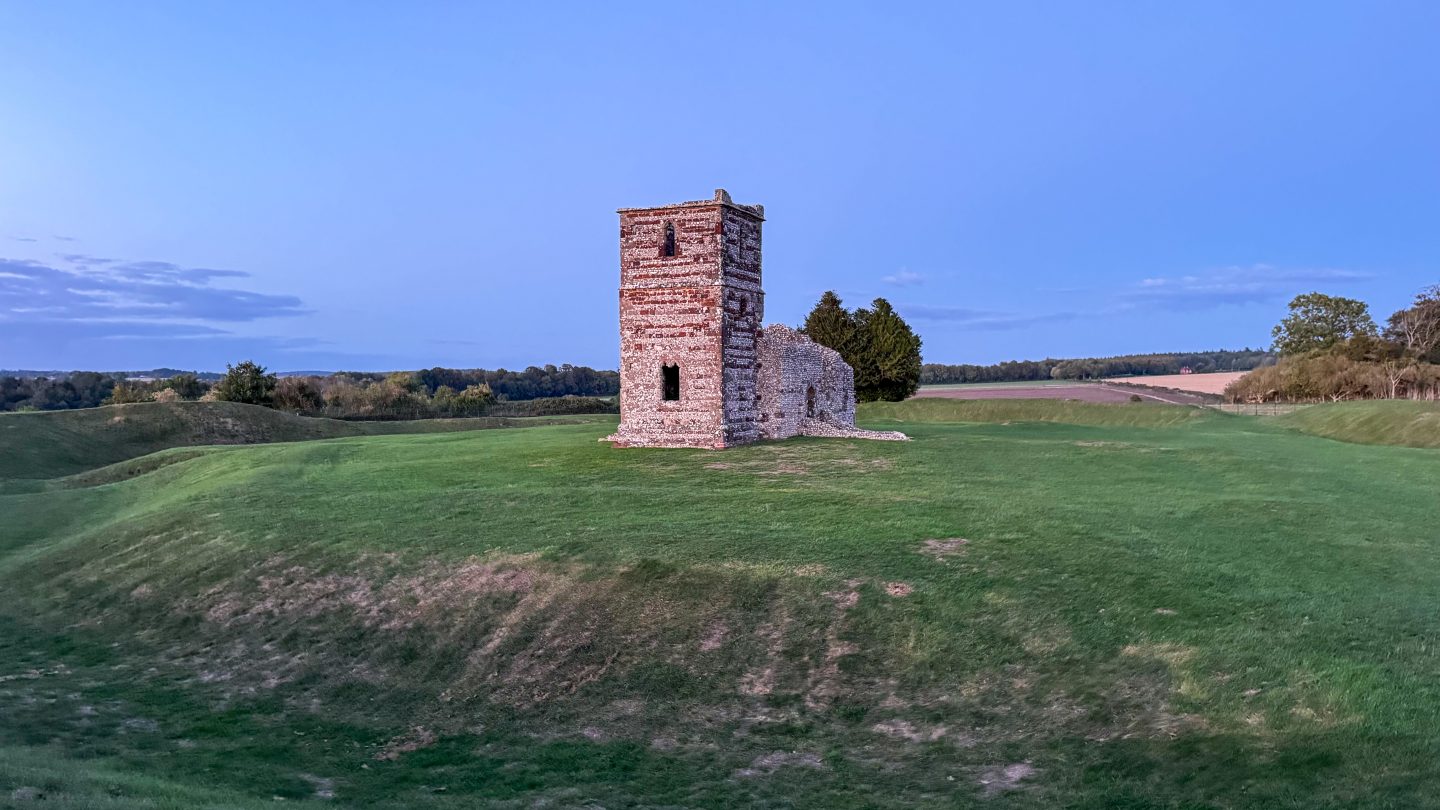
Knowlton Church is one of the strangest, most atmospheric places I’ve visited in England.
A ruined Norman church sits inside ancient earthworks, in the middle of open fields, with no village around it anymore. Just fields, sky, and this roofless shell of a building.
Nobody’s entirely sure why it was built there, right inside a prehistoric henge. Christian church, pagan monument, sharing the same patch of ground. That mystery is exactly why it’s worth the visit.
It’s eerie, beautiful and completely unlike anywhere else in Dorset.
Stargazing Under Dorset’s Dark Skies
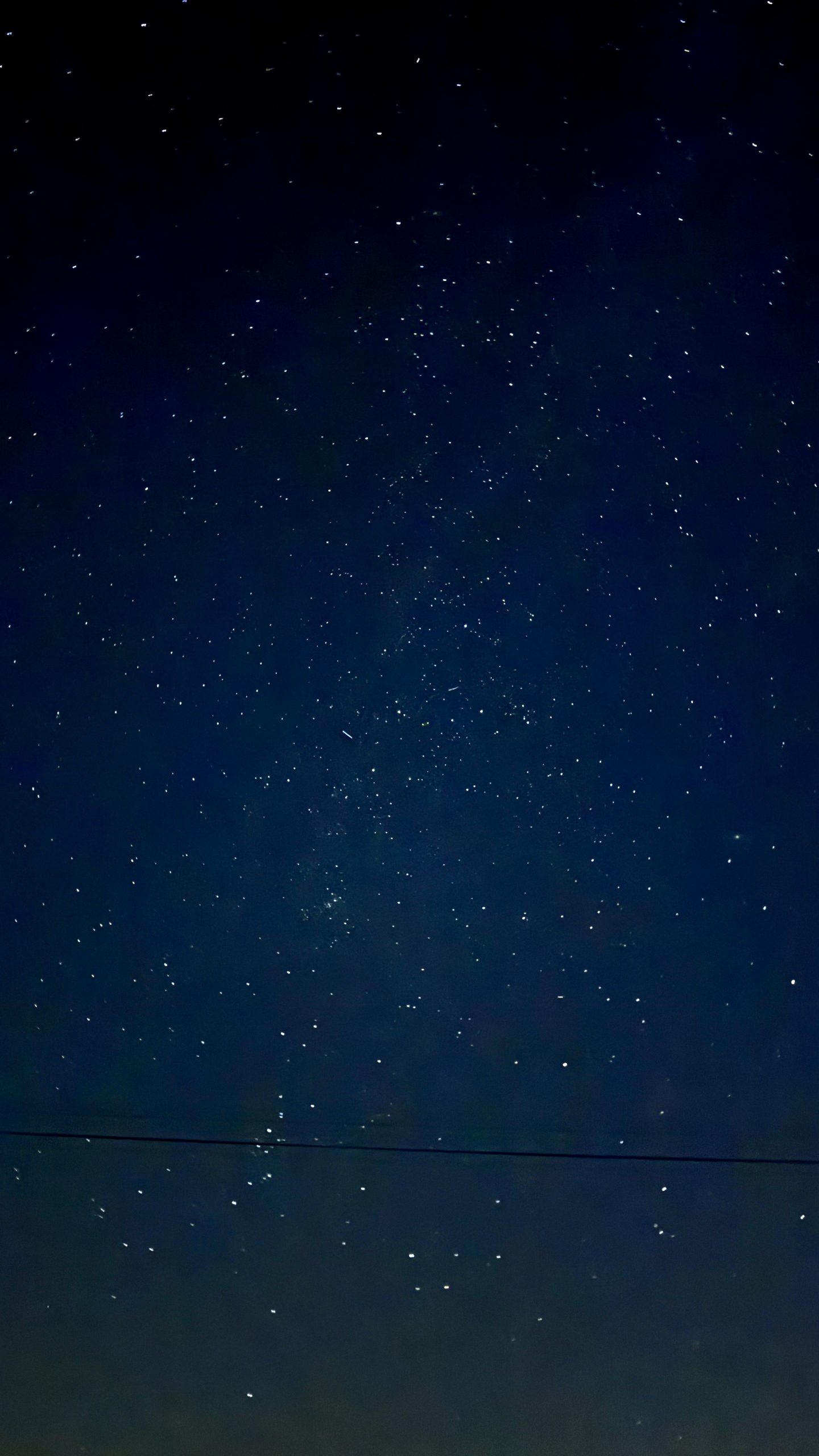
Dorset has some of the darkest night skies in England. In fact, it’s one of only seven dark sky reserves in the country.
Because there is so little light pollution inland, the night sky opens up completely. You don’t need expensive equipment to enjoy it – just pull over safely on a quiet countryside lane or find a clear open spot.
If you get the chance to look through a proper telescope, take it. Nothing prepares you for seeing Saturn’s rings in real life.
I actually saw them for the first time on a trip to Ibiza, and seeing a planet floating in deep space genuinely changes how you view the universe.
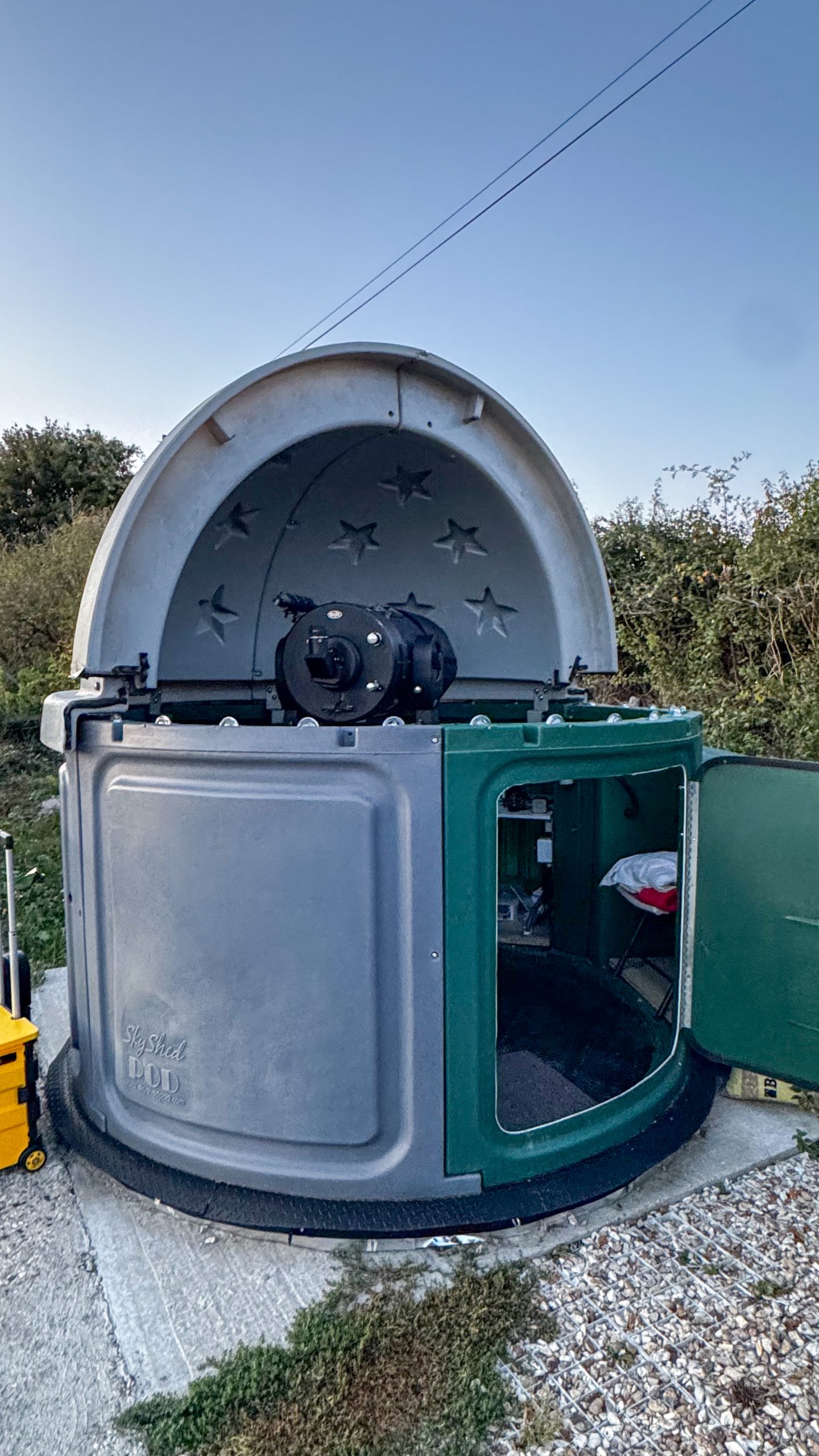
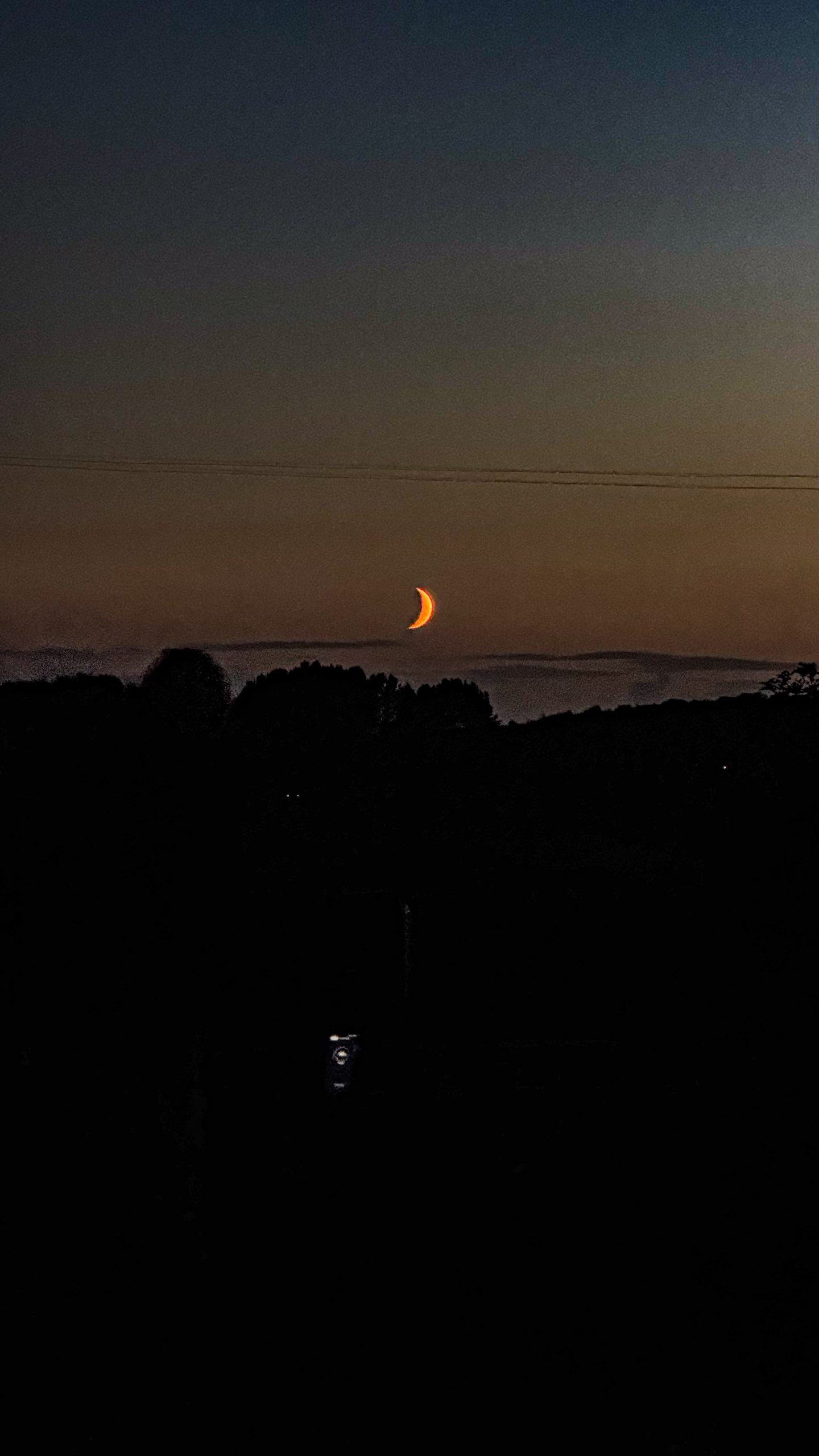
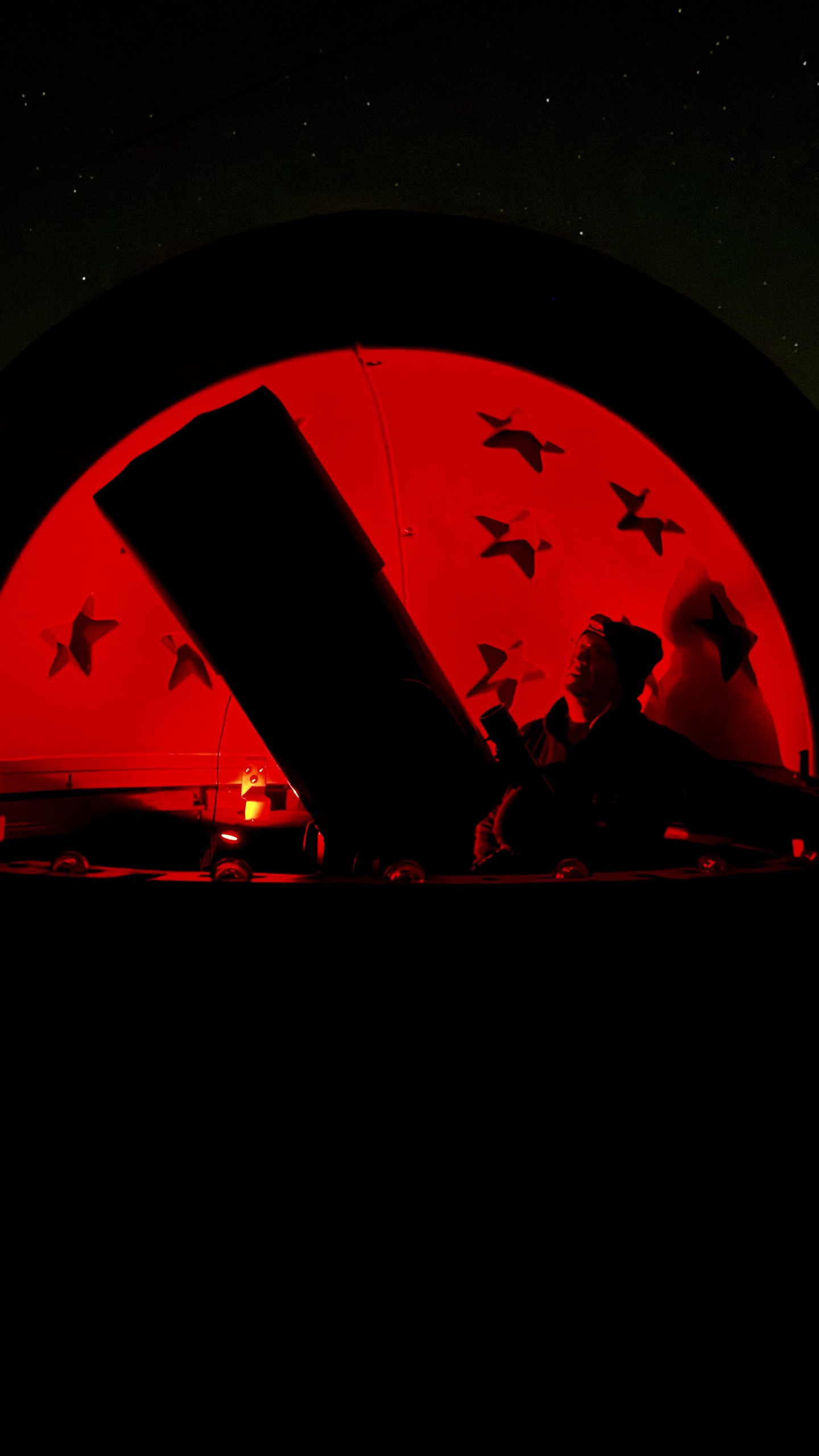
On this trip, I spent an evening with the team from Fordingbridge Astronomers. Founded back in 2012 by four local enthusiasts meeting in a local pub, they’ve grown into a wonderful community club dedicated to making stargazing accessible to everyone.
They don’t lock themselves away in a traditional observatory; instead, members bring their own telescopes out to the darkest corners of the county.
They were so generous with their time, pointing out constellations and letting me look through their setups.
Inland Dorset gives you that quiet, magical connection to the night sky. Wrap up warm, bring a hot flask, and spend half an hour just looking up.

Walking Bulbarrow Hill, Hambledon Hill, and Hod Hill
Three hills, three completely different reasons to visit.
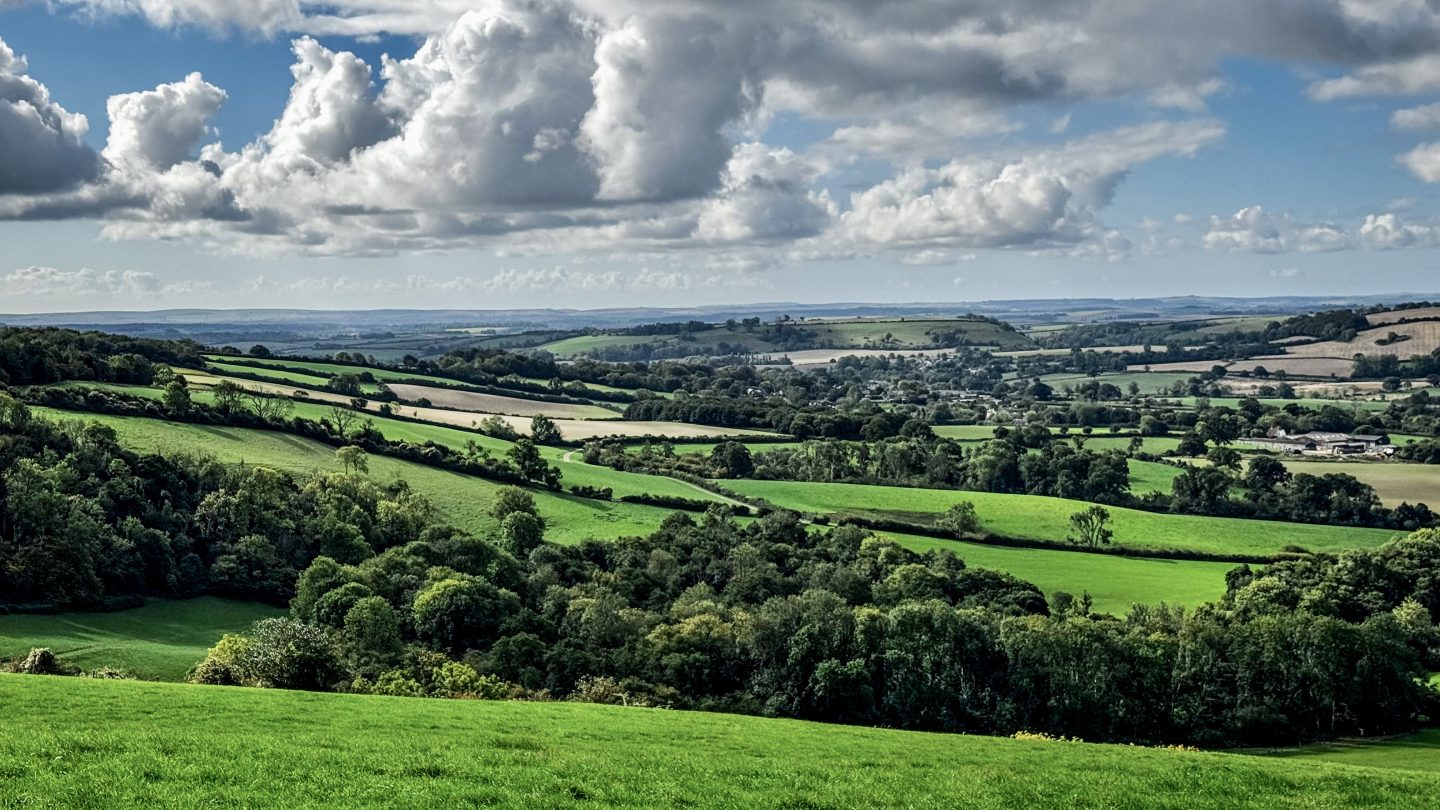
Bulbarrow Hill gives you some of the widest views in Dorset, across Blackmore Vale and beyond. On a clear day, you can see for miles in every direction.
Hambledon Hill is an Iron Age hillfort, and the earthworks are still dramatic today, carved into the landscape thousands of years ago.
Hod Hill sits right next to it, another hillfort, with its own quiet, windswept atmosphere and its own separate history.
All three are walkable, all three are free, and all three will make you feel like you’ve found somewhere completely undiscovered. This is what finding hidden gems in Dorset is really about.
Where to Stay: The Grosvenor Arms
For somewhere to base yourself, I stayed at The Grosvenor Arms in Shaftesbury for two nights. It was genuinely ideal for this kind of trip.
Location-wise, you couldn’t ask for better. It sits right in the centre of Shaftesbury on the High Street, just a short two-minute stroll from Gold Hill and Park Walk.
Having such an atmospheric, historic town on your doorstep makes exploring inland Dorset completely effortless.
It’s a stylish boutique hotel with genuinely lovely rooms. Mine was beautifully designed and featured a luxurious freestanding bathtub right in the bedroom itself.
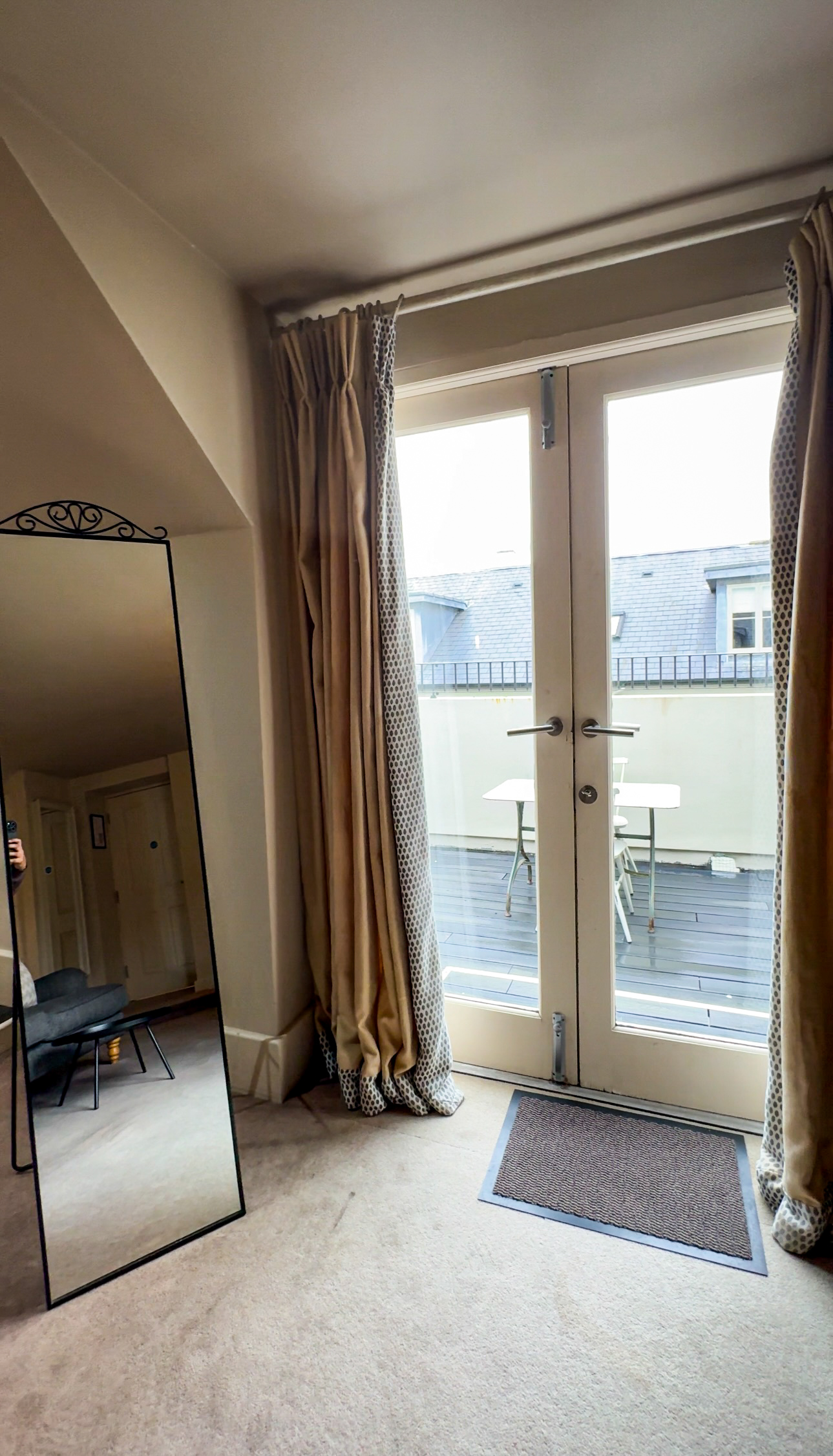
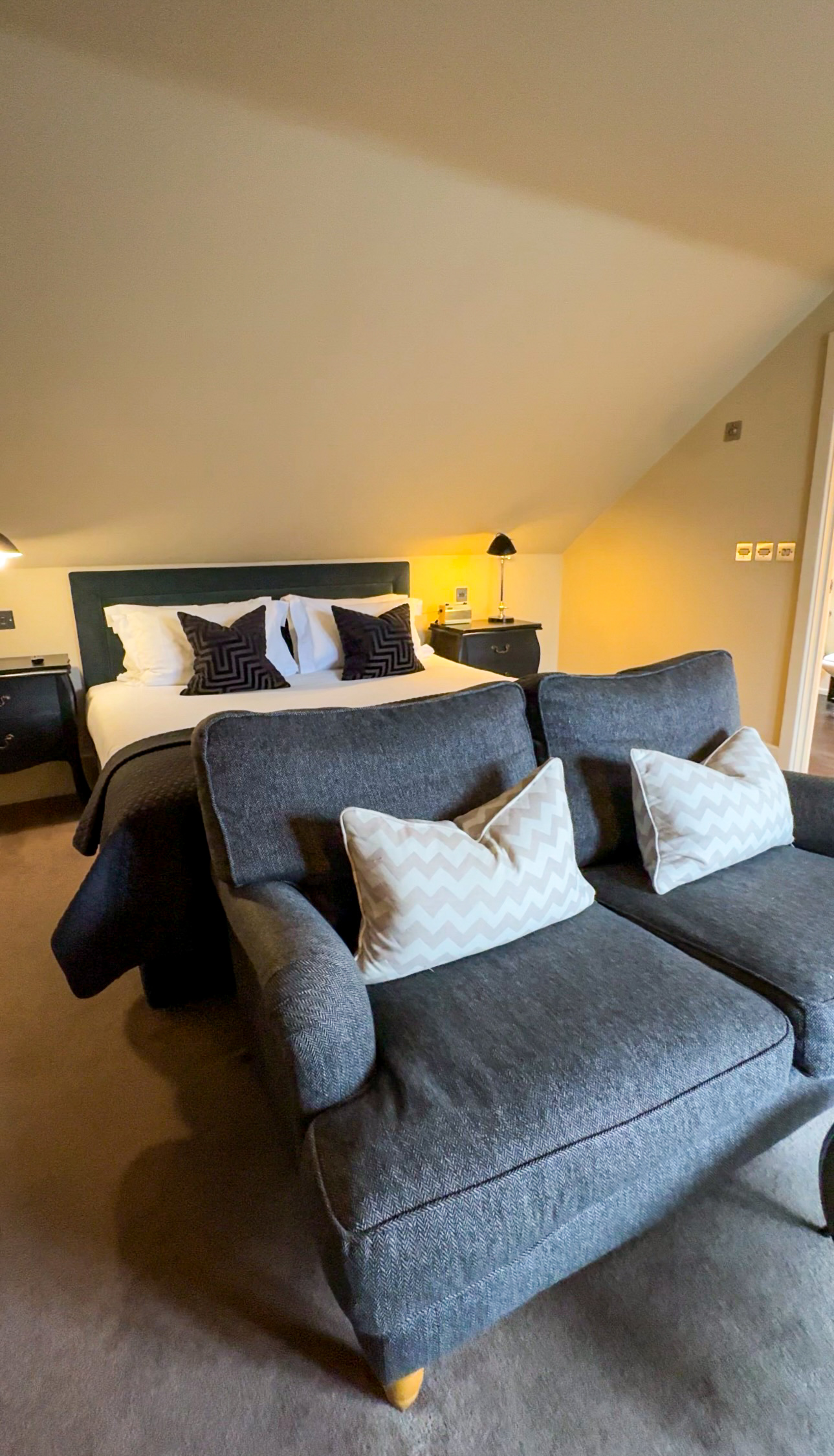
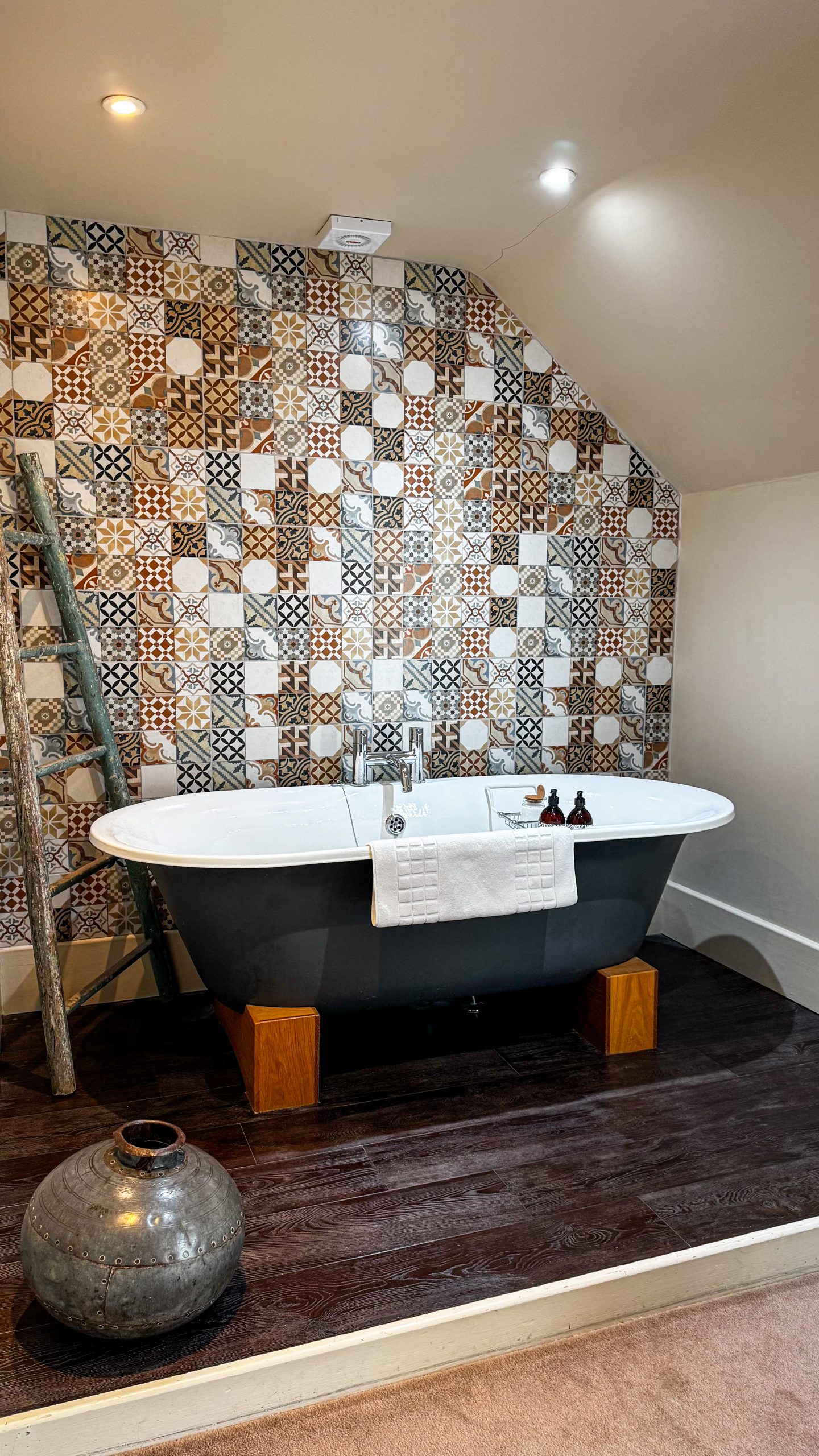
It was absolute bliss for soaking in after a long day of walking and exploring countryside villages.
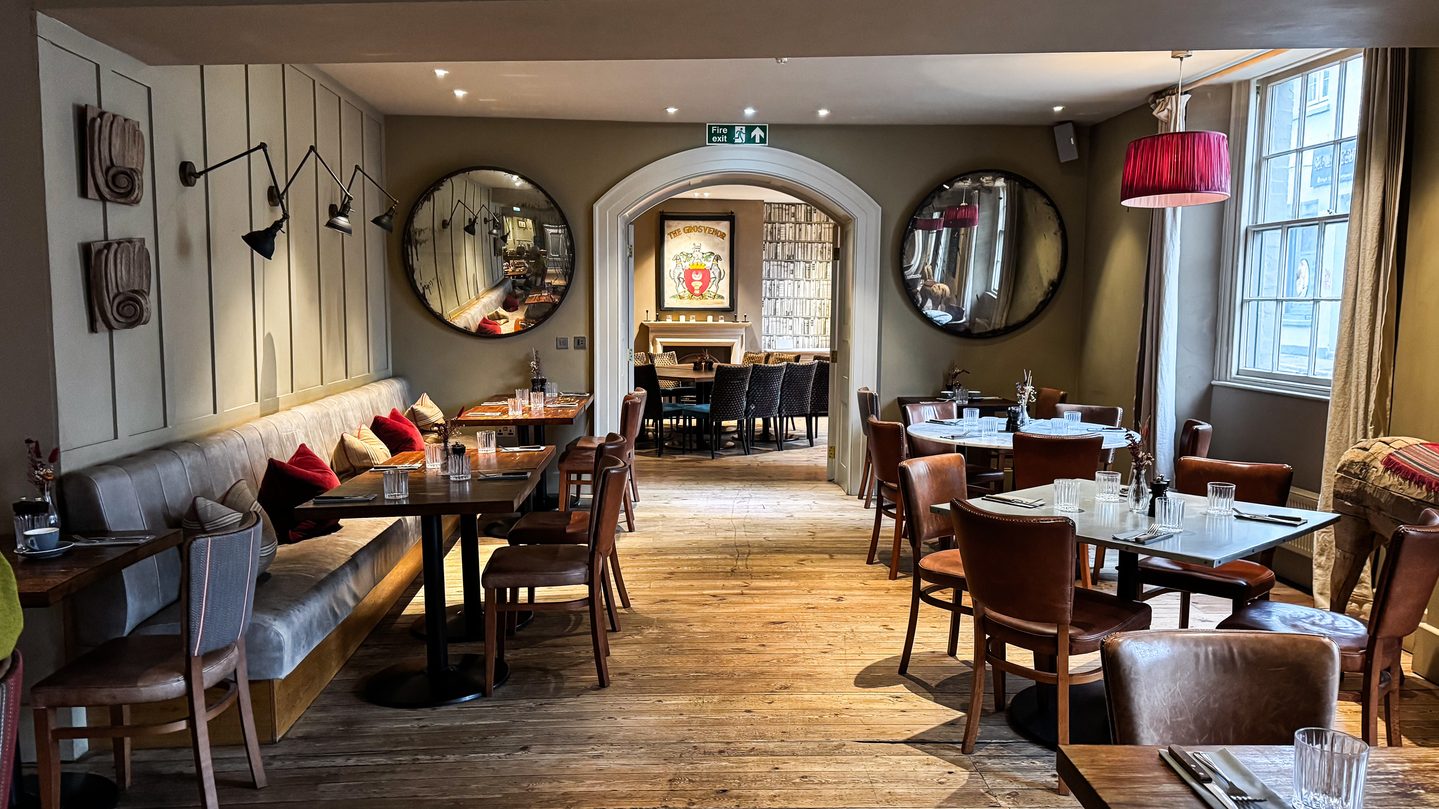
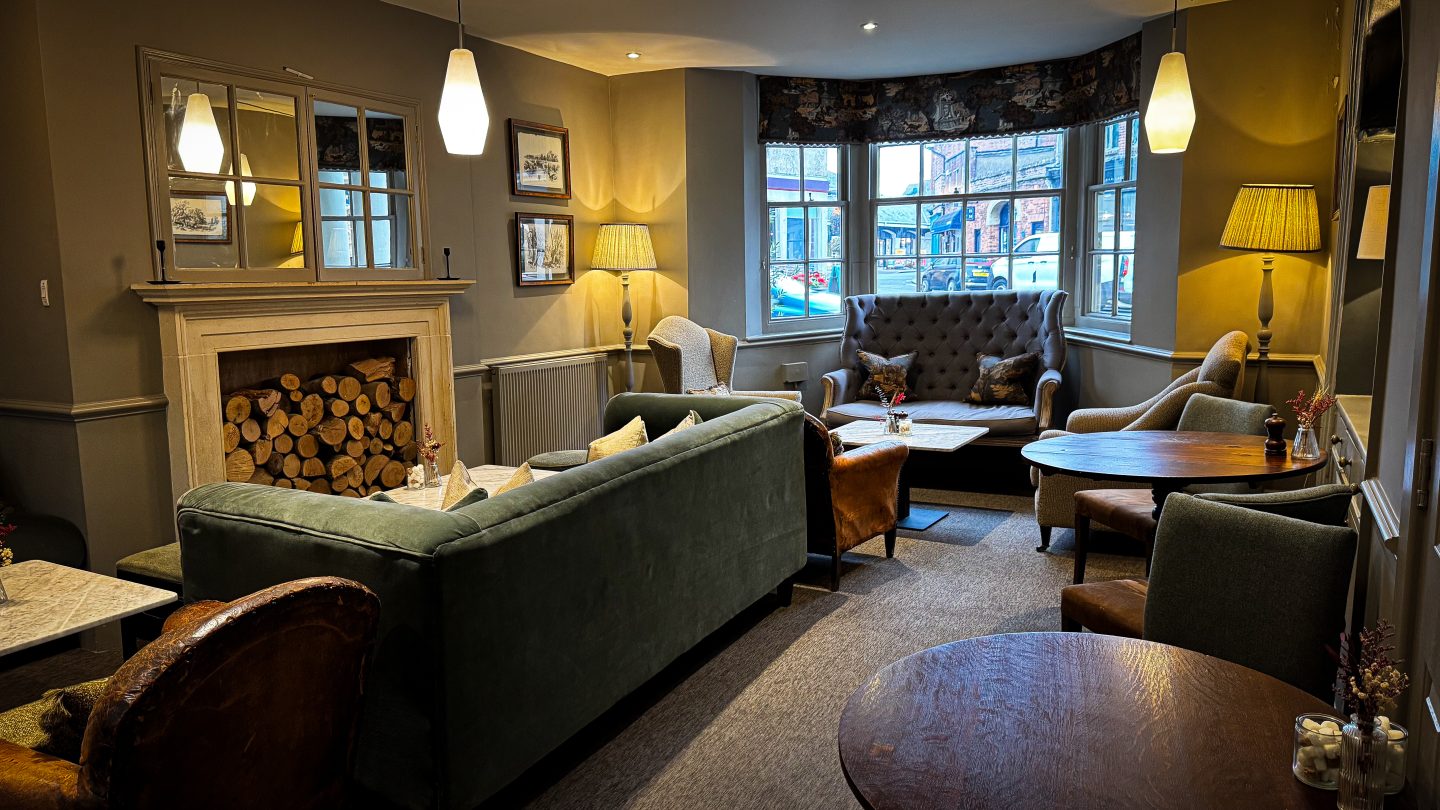
The ground floor has a brilliant, relaxed atmosphere. There are plenty of comfortable lounge areas to curl up with a book, alongside a bustling, lively bar.
I had dinner at their restaurant on my first evening, and the food was outstanding. The lamb was cooked to absolute perfection, packed with local flavour.
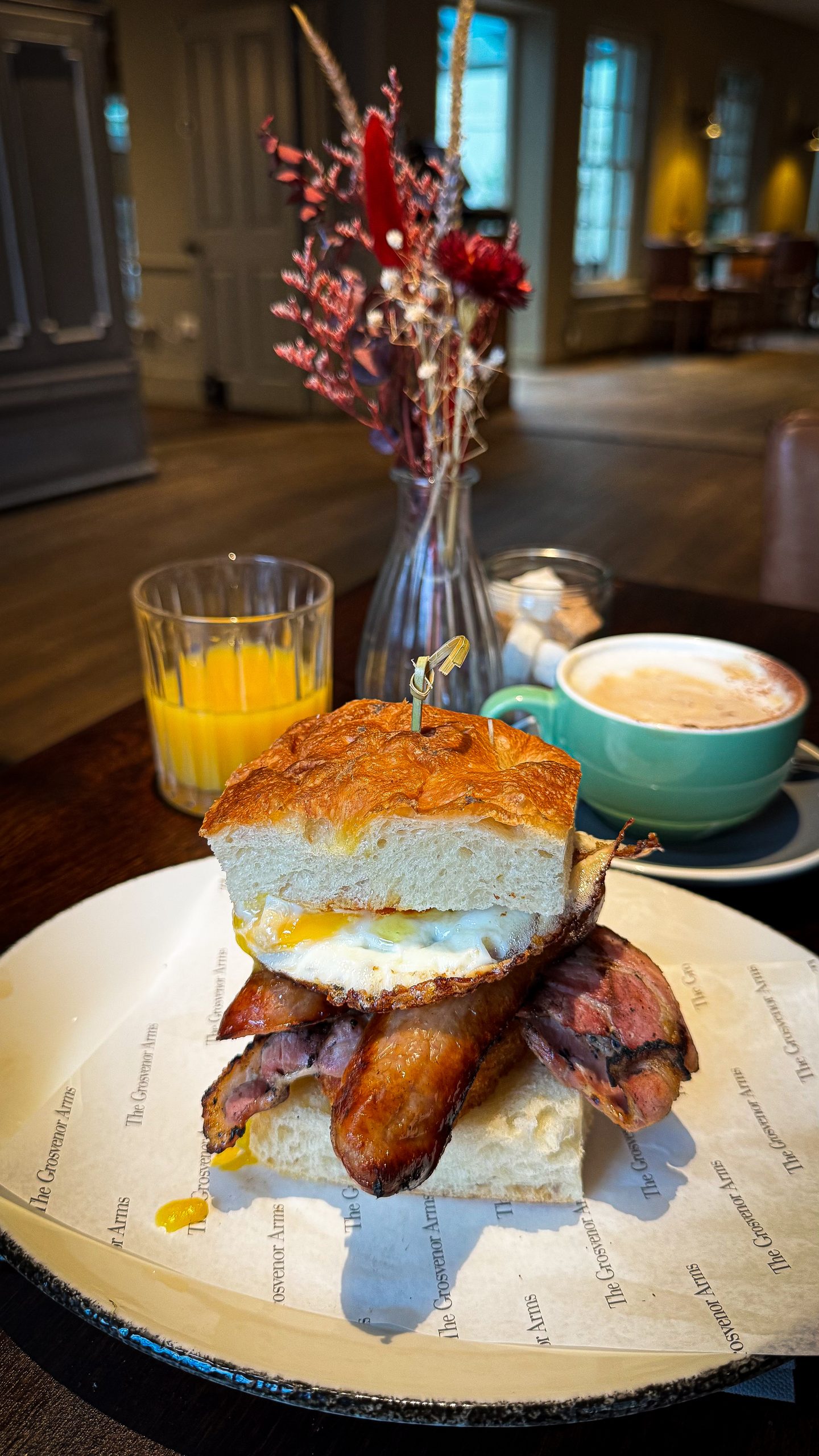
Breakfast each morning was equally impressive – varied, hearty, and served with great energy by the friendly team.
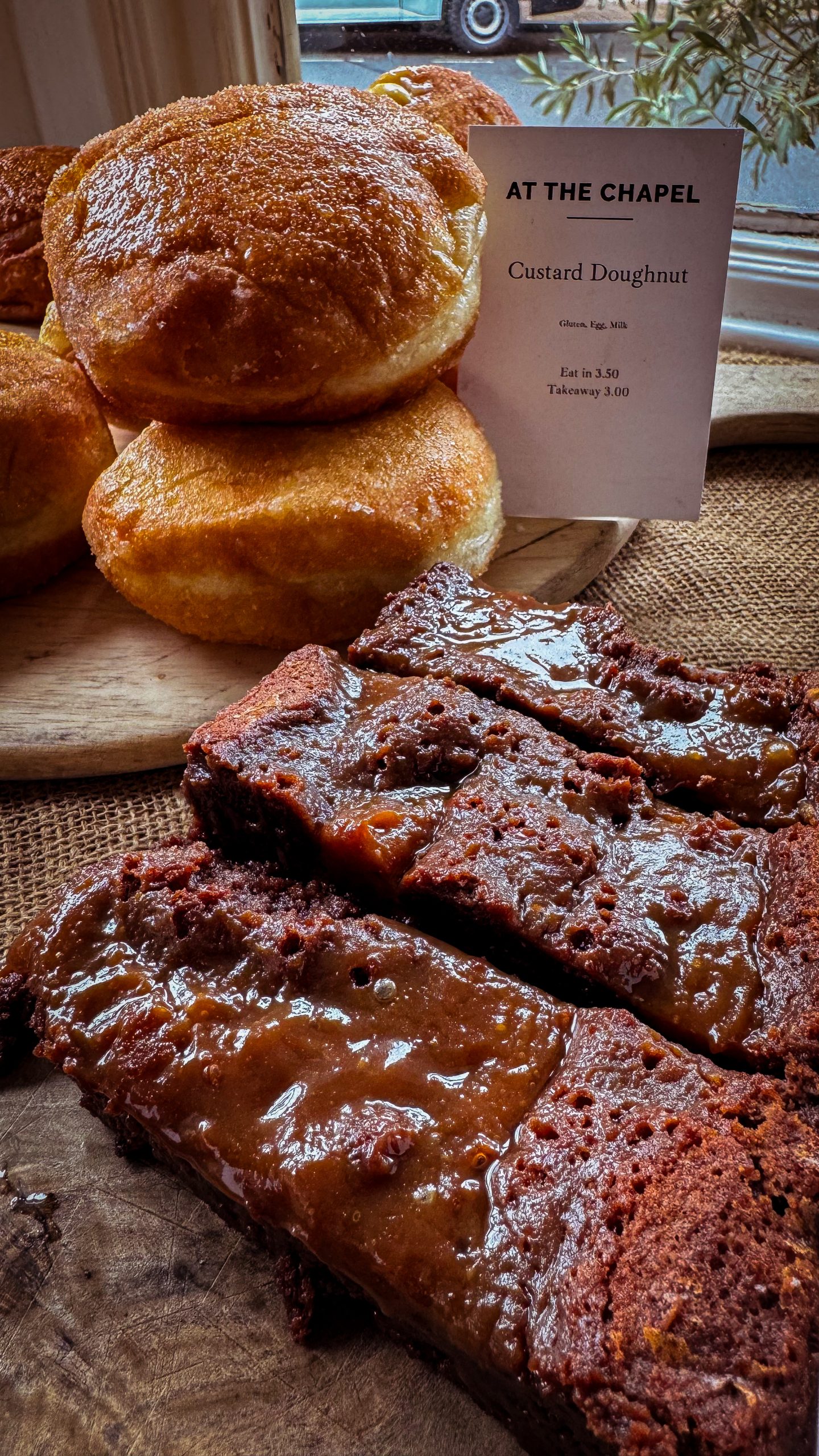


One of my favourite details was their pop-up bakery, which they run a few times a week right inside the hotel. The smell of fresh bread hits you the moment you walk through the doors!
If you’re planning your own trip around Dorset’s hidden gems, The Grosvenor Arms is a brilliant, welcoming place to come back to each night.
FAQs About Visiting Dorset
What are some quirky things to do in Dorset?
Aside from exploring quiet country paths, visiting the famous Cerne Abbas Giant is easily one of the most unique stops. Standing at 180 feet tall, this ancient chalk hill figure carved into the hillside has sparked centuries of mystery and local folklore. Pair it with a trip to Knowlton Church – a ruined Norman church built inside a prehistoric henge – for a truly unusual day out.
What is the prettiest village in Dorset?
Milton Abbas frequently tops the list as Dorset’s prettiest village. Built in the 18th century, it features a picture-perfect street lined with matching thatched cottages and vast green lawns, surrounded by peaceful countryside. Cerne Abbas and Corfe Castle village are also incredibly charming contenders.
What are some must-see towns in Dorset?
For independent shops, rich history and character, Sherborne and Shaftesbury are absolute must-visits. Sherborne is famous for its majestic abbey and local bakeries, while Shaftesbury offers the iconic cobbled street of Gold Hill and sweeping views over the Blackmore Vale.
What are the best places to visit in Dorset for a day trip?
If you only have one day, focus on the Shaftesbury and Blackmore Vale area. You can snap a photo at Gold Hill in the morning, grab coffee and lunch at Compton Abbas Airfield, visit Sturminster Newton Mill in the afternoon, and wrap up with dinner in a historic country pub.
When is the best time to visit Dorset for slow travel?
Late spring (May to June) and early autumn (September to October) are the best times to visit. During autumn, you get to experience harvest season, quiet walking trails, crisp weather and clear night skies perfect for stargazing – all without the summer holiday traffic.
Do you need a car to explore inland Dorset’s hidden gems?
Having a car is definitely the easiest way to explore Dorset’s lesser-known countryside, as public transport between smaller villages like Milton Abbas or Knowlton Church can be infrequent. Driving lets you take the scenic back roads and stop at local farm shops whenever you like.
| Dorset Highlights Jurassic Coast Kayaking Tour to Old Harry Rocks: Book Tour Shaftesbury: Ghost Walk with Paranormal Investigation: Book Tour From London: Durdle Door & Lulworth Cove Private Day Trip: Book Tour |
If you’re after hidden gems in Dorset that most visitors never see, start inland. Slow down. The county has far more to offer than its coastline, and this is exactly where to find it.
Note: My trip to Dorset and stay at The Grosvenor Arms were hosted by Visit Dorset as part of a PR collaboration. As always, all opinions, photos and recommendations are 100% my own.