You have probably never heard of South Moravia.
Before this trip, my knowledge of the Czech Republic was pretty much limited to the fairytale streets of Prague and the elegant colonnades of the spa town Mariánské Lázně.
I’ve spent plenty of time exploring the capital, and I’ve even put together an ultimate itinerary for Prague if you’re planning a visit there.
But a few hours south of those familiar spots, there is a region that feels like a sun-drenched secret. South Moravia wine country is a place where history, culture and nature intersect in the most beautiful way.
Did you know that the Czech Republic actually has two wine regions? South Moravia and Bohemia. However, South Moravia is the undisputed heavyweight, producing a massive 90% of all the wine in the entire country.
I recently spent three days exploring this area, and it completely changed my perspective on what the Czech Republic has to offer.
If you are ready to see a side of Europe that most travellers miss, here is exactly how to do it.
Affiliate links ahead! Clicking them might earn me a small commission at no extra cost to you. This helps keep my blog running and the tips coming – thank you!
| Booked It, Loved It: My South Moravia Picks Where To Stay: Thaya Winery and Penzion Monner Highlights: Wine Tasting Experience and Lednice-Valtice & Mikulov Tour Travel Insurance: Safety Wing Stay Connected: Esim |
At a Glance: 3-Day South Moravia Wine Country Itinerary
| Day | Location | Highlight | Recommended Stay |
| Day 1 | Znojmo | Adrenaline Tunnels & Enoteka | Thaya Winery (Hobbit Rooms) |
| Day 2 | Mikulov | Valtice Wine Salon & Hidden Courtyards | Mikulov Town Centre |
| Day 3 | Hustopeče | Almond Blossom Festival & Hike | Brno or Hustopeče |
Getting to South Moravia Wine Country
One of the best things about this region is how accessible it is, even though it feels worlds away.
You have two main options for flying in. You can fly to Brno and then drive about 40km into the heart of the region.
Alternatively, you can fly into Vienna. This is a brilliant shout because there is no border control between Austria and the Czech Republic thanks to the Schengen Agreement. You just breeze through.
It’s a simple, scenic hour-long drive from Vienna straight into Znojmo. Once you’re there, you definitely need a car.
The best spots are tucked away in tiny villages or at the end of winding country roads. Please remember the Czech Republic has a zero-tolerance policy for drink-driving. It is very strict. No ‘one small glass’ allowed – it is zero.
Getting Around South Moravia Wine Country
Once you’re in South Moravia wine, you definitely need a car. While I love a good train journey, the best spots here – the tiny family-run wineries and the national park overlooks – are tucked away in rural areas.
Having a car gives you the freedom to explore at your own pace without waiting for infrequent village buses.
Just a massive heads-up: the Czech Republic has a zero-tolerance policy for drink-driving. It is very strict. No ‘one small glass’ is allowed – it is zero.
If you plan on doing a lot of tastings, make sure you have a designated driver or plan to stay overnight within walking distance of the winery.
While Prague is a year-round destination, South Moravia wine country is deeply tied to the rhythm of the harvest and the bloom. To see this region at its most vibrant, you should time your visit with the local festivals.
Best Time to Visit
- March (The Almond Bloom): If you want to see the orchards in Hustopeče turn a delicate pink, aim for late March. It’s a lovely time of year with crisp air (around 10°C) and the first signs of spring.
- May to June (The Green Escape): This is the sweet spot for active travellers. The weather is a comfortable 18°C to 22°C, perfect for cycling between wineries or hiking. You’ll beat the intense summer heat and the peak tourist rush.
- September (The Harvest Peak): The undisputed heavyweight month for wine lovers. In 2026, the two biggest events—the Znojmo Historical Wine Festival and the Pálava Wine Harvest in Mikulov – are both set for September 11–13. Expect parades, concerts and plenty of “Burčák” (young wine).
- October (The Golden Hour): For photographers, October offers the most stunning light. The vine leaves turn fiery orange and gold, and the morning mist over the hills is incredible. It’s quieter, cooler and much more intimate in the cellars.
Budget and Average Costs: What to Expect
Compared to Western Europe or even central Prague, your money goes a lot further here.
You can find a high-end meal for around £15–£20, and a glass of excellent local wine often costs less than a latte in London. For a rough idea, here are some average costs:
- Wine Salon Entrance: Around 599 CZK (£20) for a 90-minute tasting.
- Mid-range Hotel: £60–£80 per night.
- Main Meal in a Bistro: £10–£15.
- Bottle of Wine to take home: £7–£15 for something very high quality. It is an incredibly affordable region, allowing you to indulge in ‘luxury’ experiences like staying at a designer winery without the luxury price tag.
Day 1: Znojmo – Medieval Tunnels and Modern Wineries
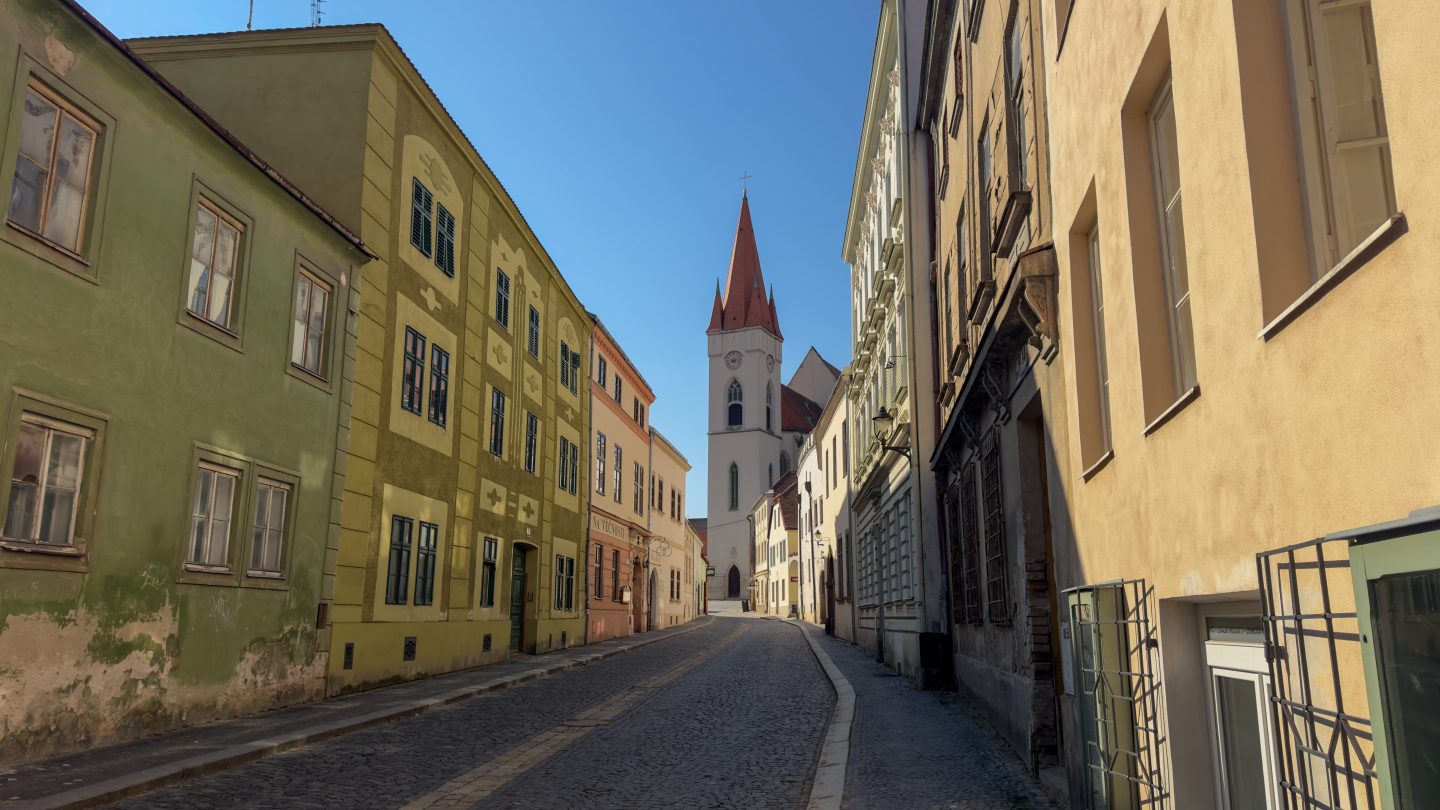
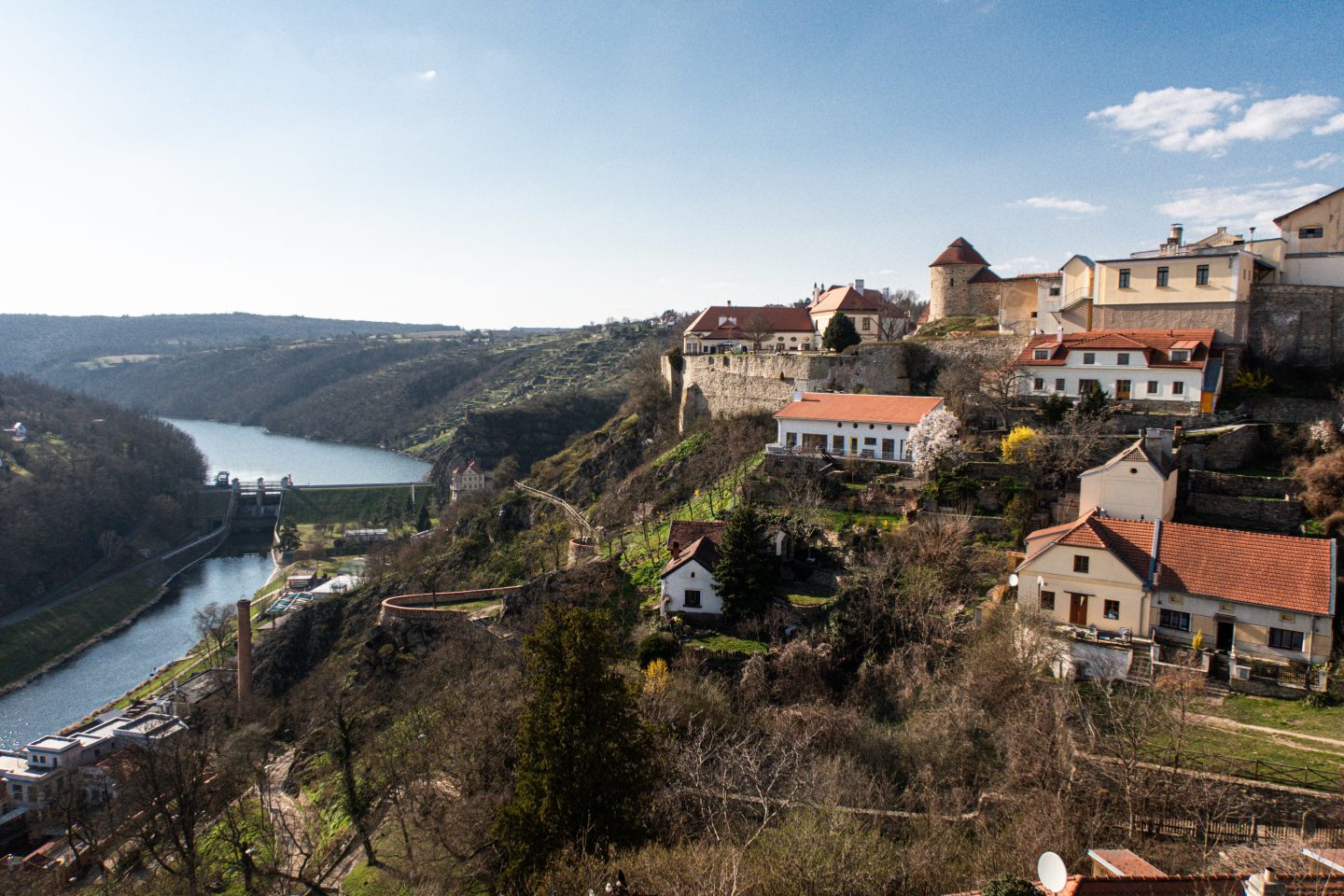
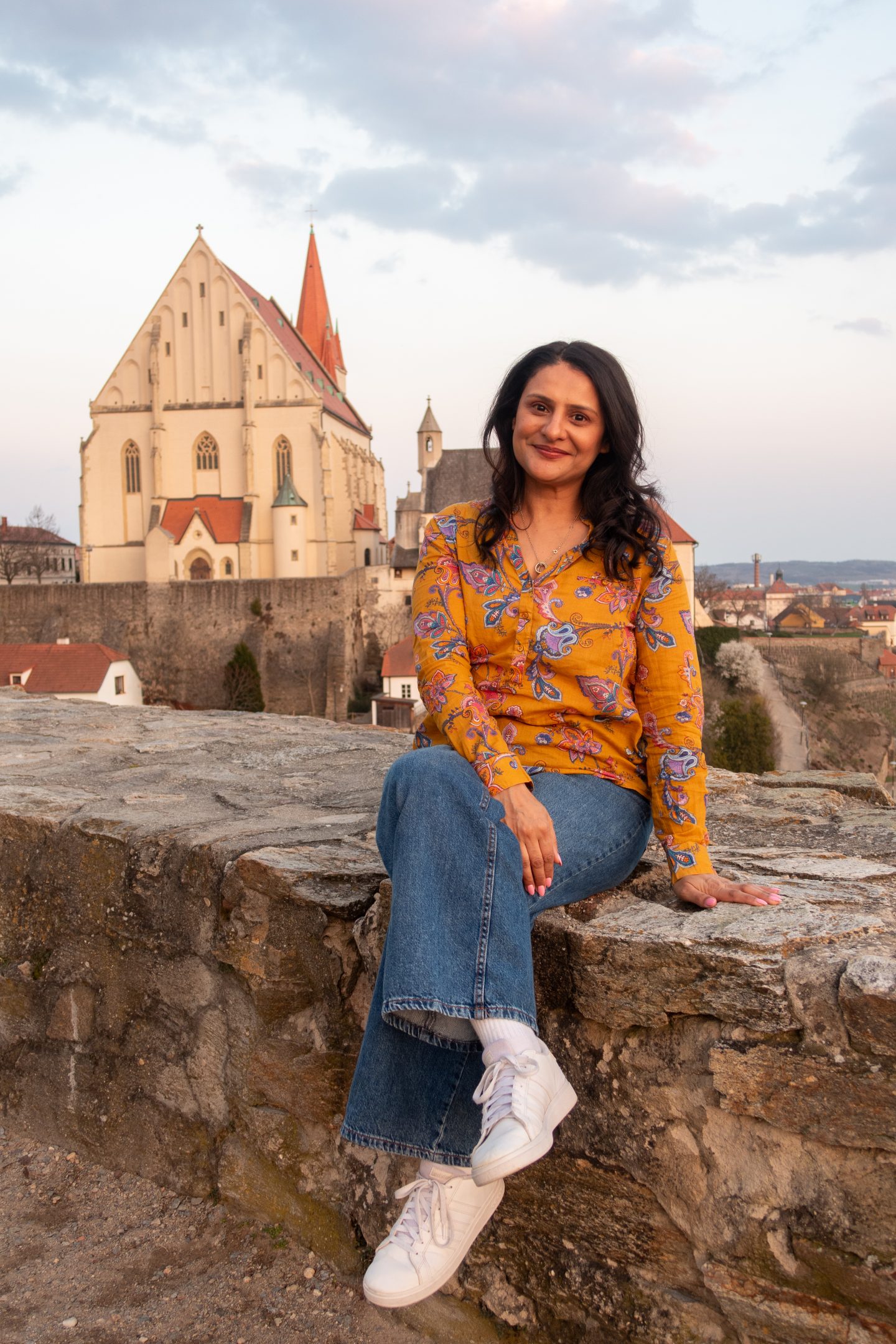
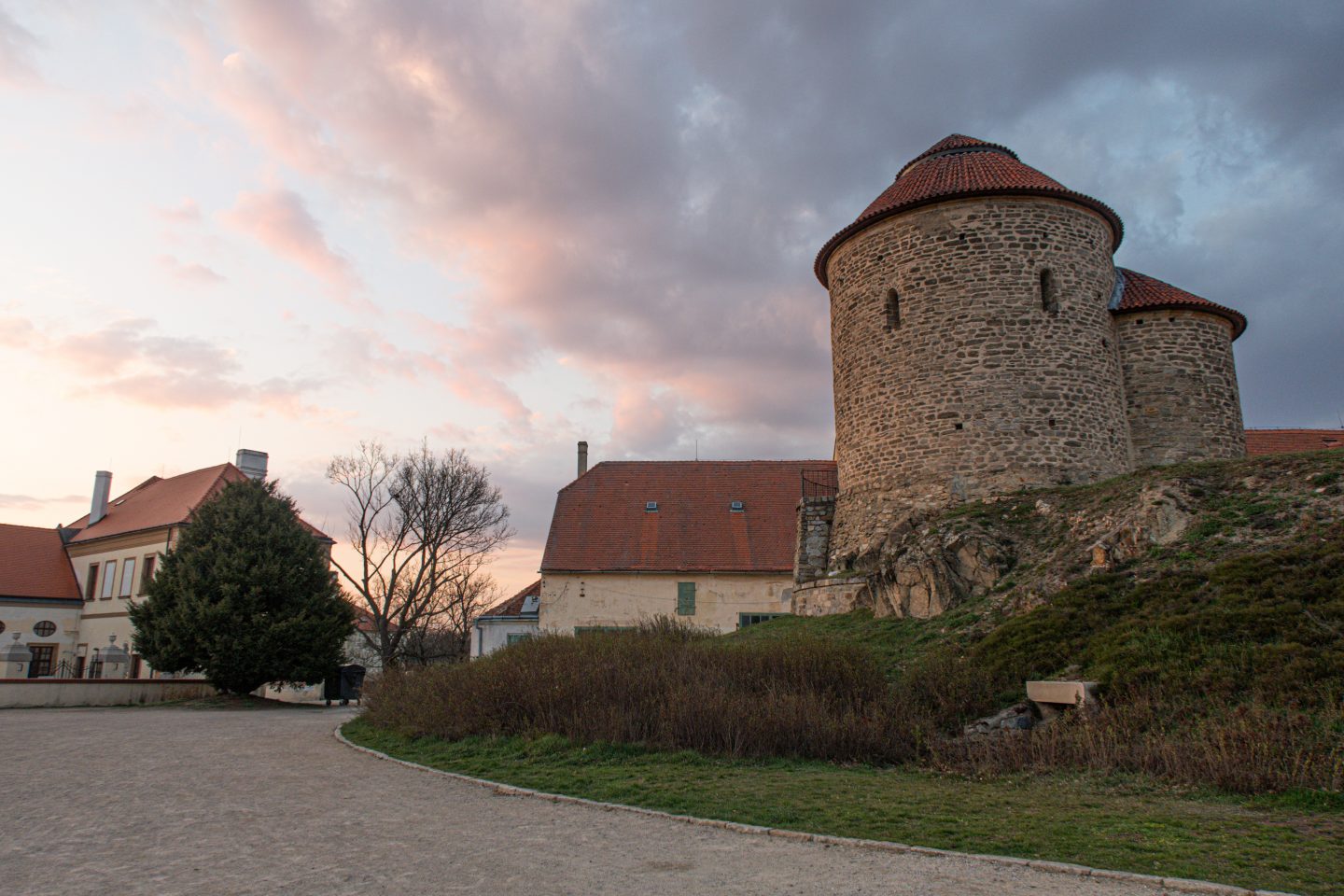
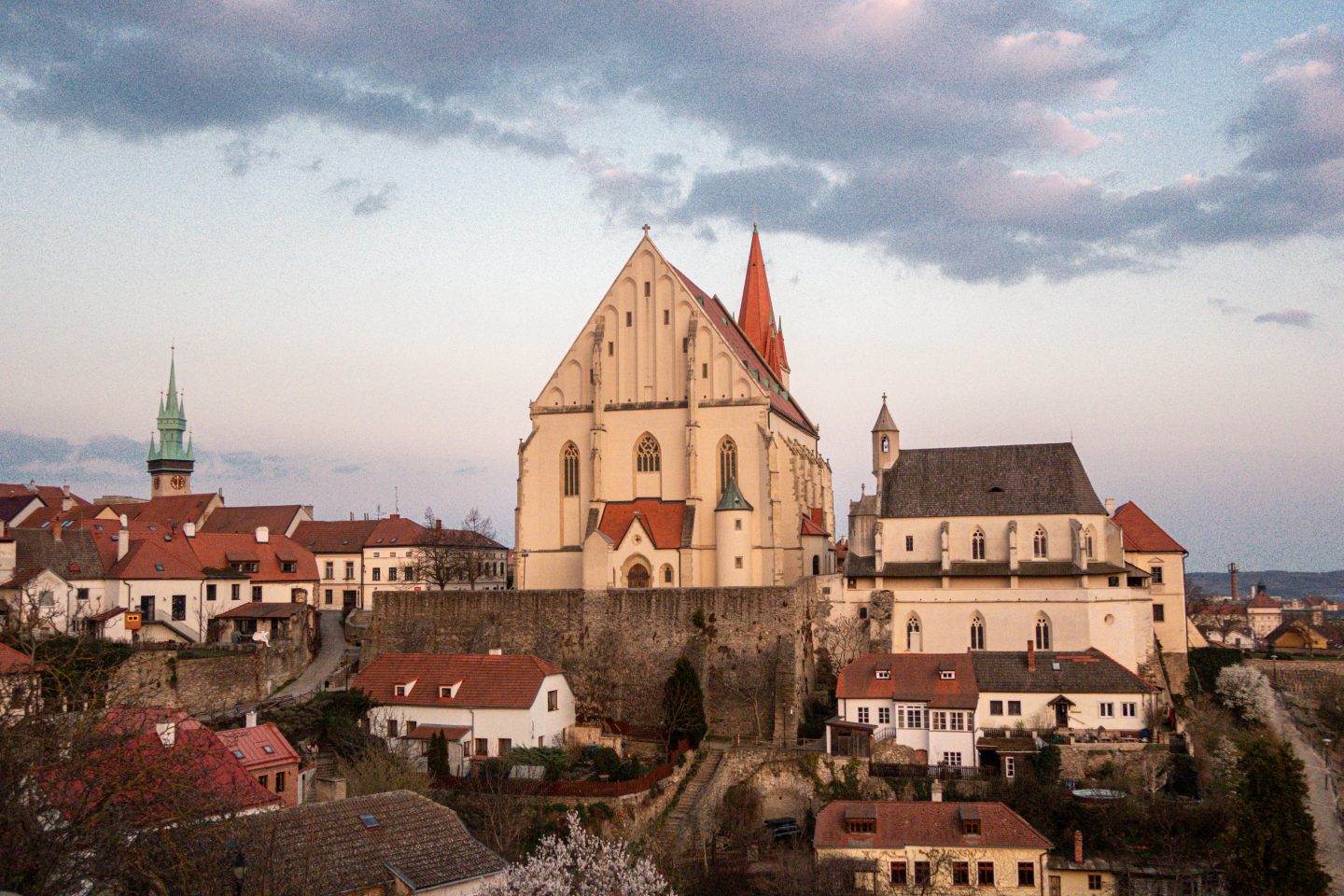
Znojmo hit me fast. It is a medieval town perched on a cliffside with historic architecture that makes you want to soak it all in.
Founded in the 13th century, it was once a strategic royal town protecting the border, and you can still feel that defensive, walled-city energy today.
The 40km Underground Labyrinth
One of the first things I did was head into the Znojmo Underground.
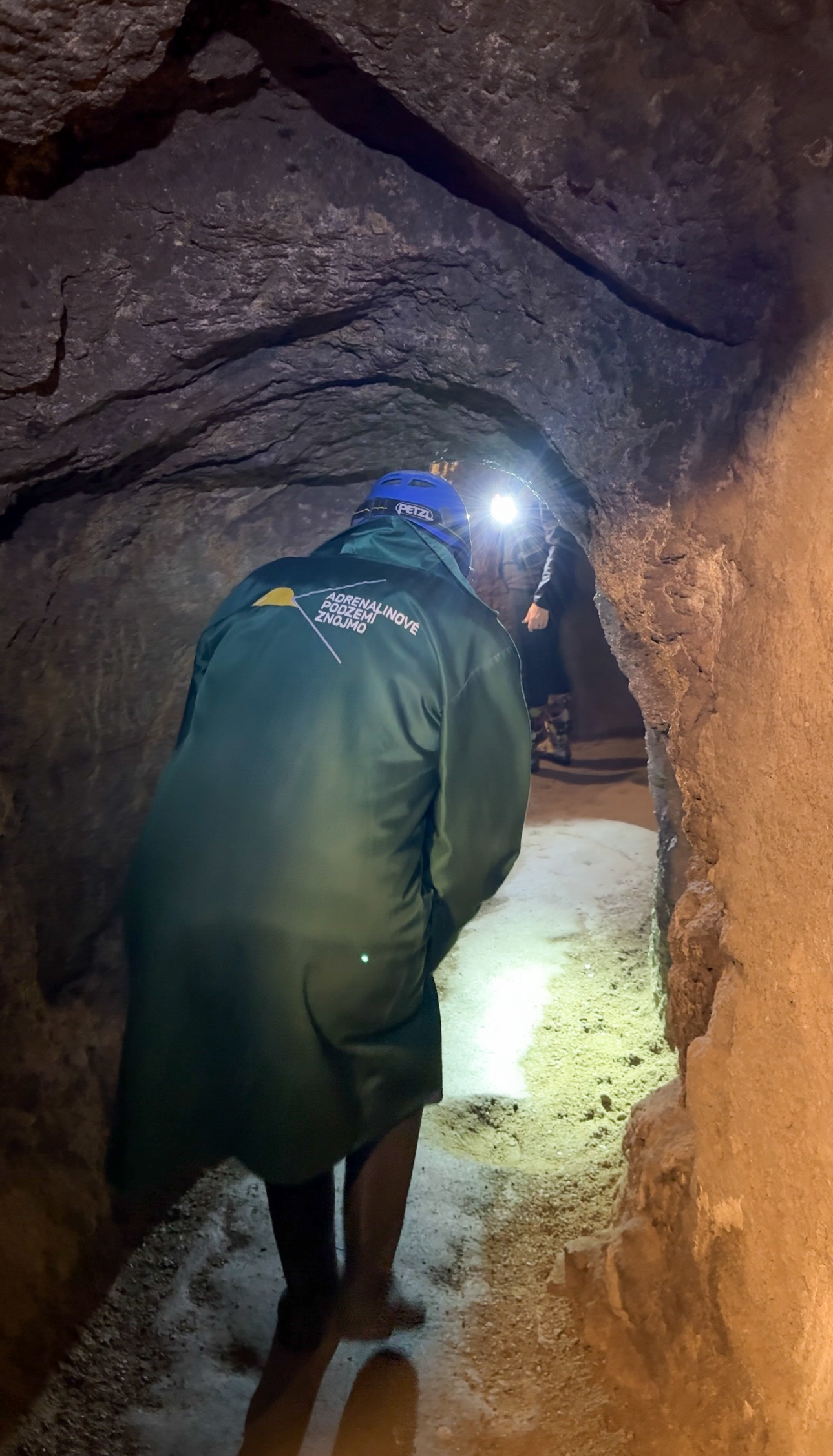
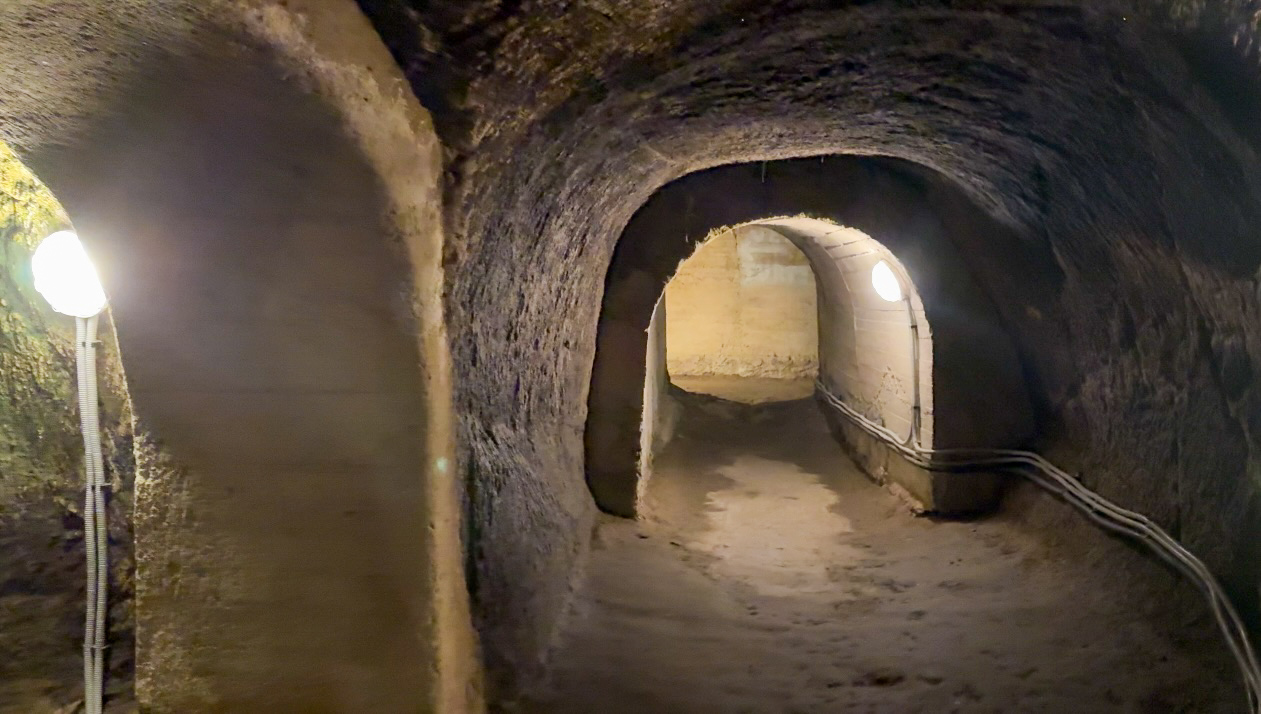
This is a staggering 40km labyrinth of tunnels stretching right beneath the streets and squares you walk on during the day. There are three types of tours: the ‘Classic’ tour and two ‘Adrenaline’ routes.
If you pick the adrenaline routes, you need to be quite fit. You’ll be bent over for long stretches and navigating tight squeezes through the darkness.
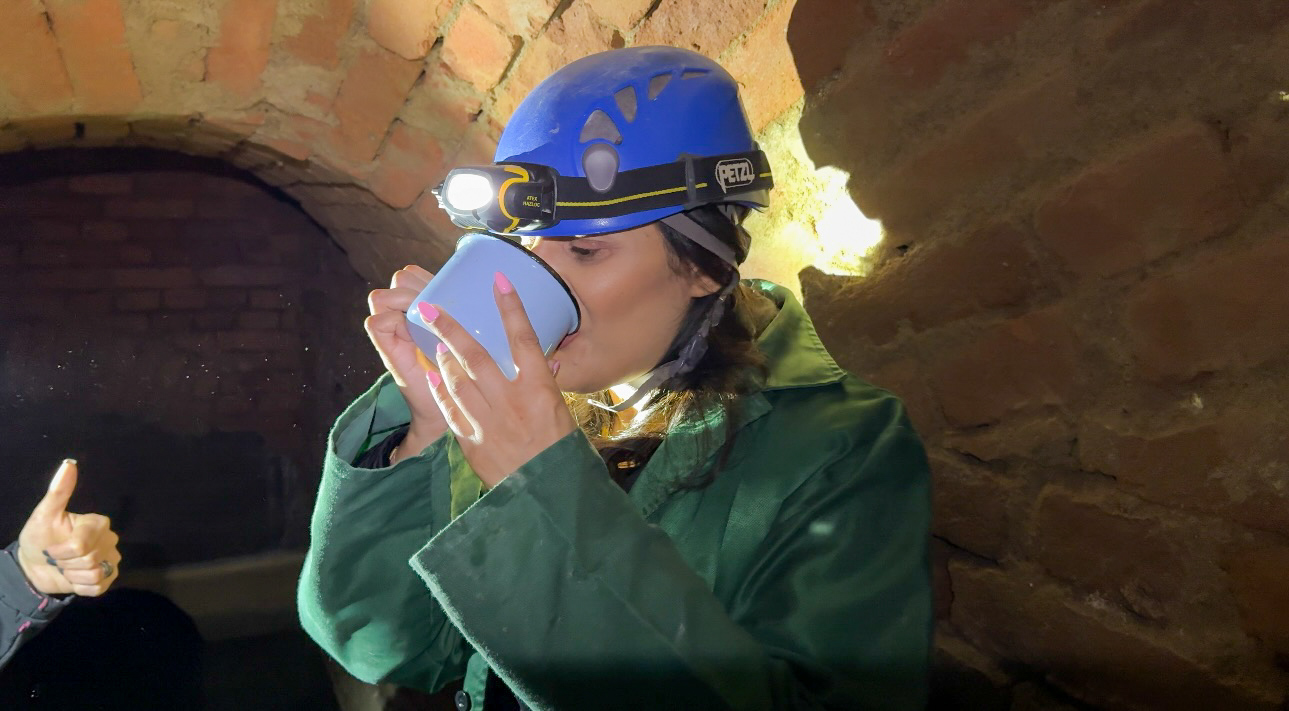
You will be provided with wear wellies, a protective overcoat and a helmet equipped with a flashlight.
At one point, I saw water from a flooded lower level that was so clear and clean you could actually drink it. And yes, I did. It’s definitely worth a sip or two!
It’s fascinating to think that while people are shopping for souvenirs above, you are navigating this ancient, chilly world below.
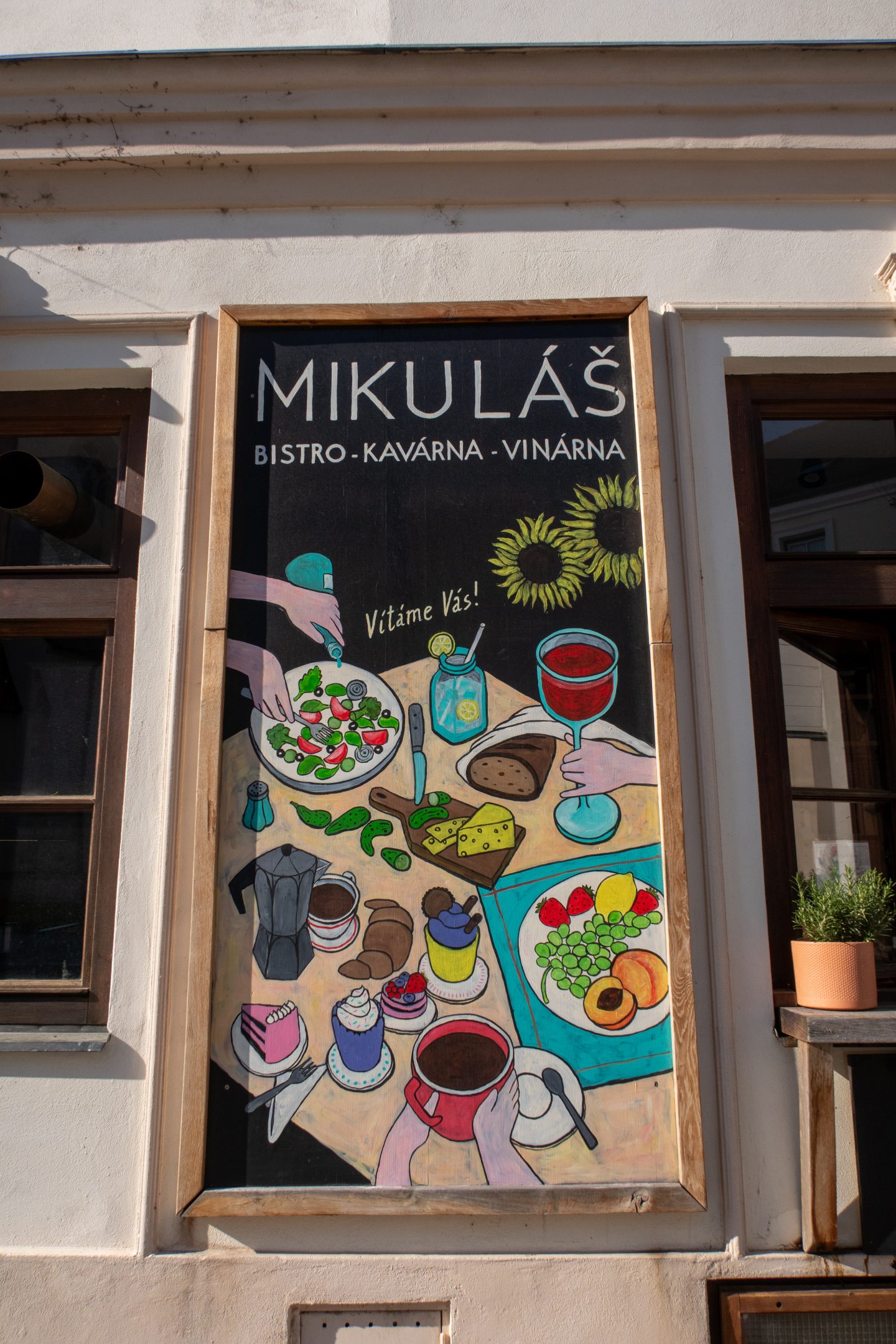
Lunch at Mikulas Bistro
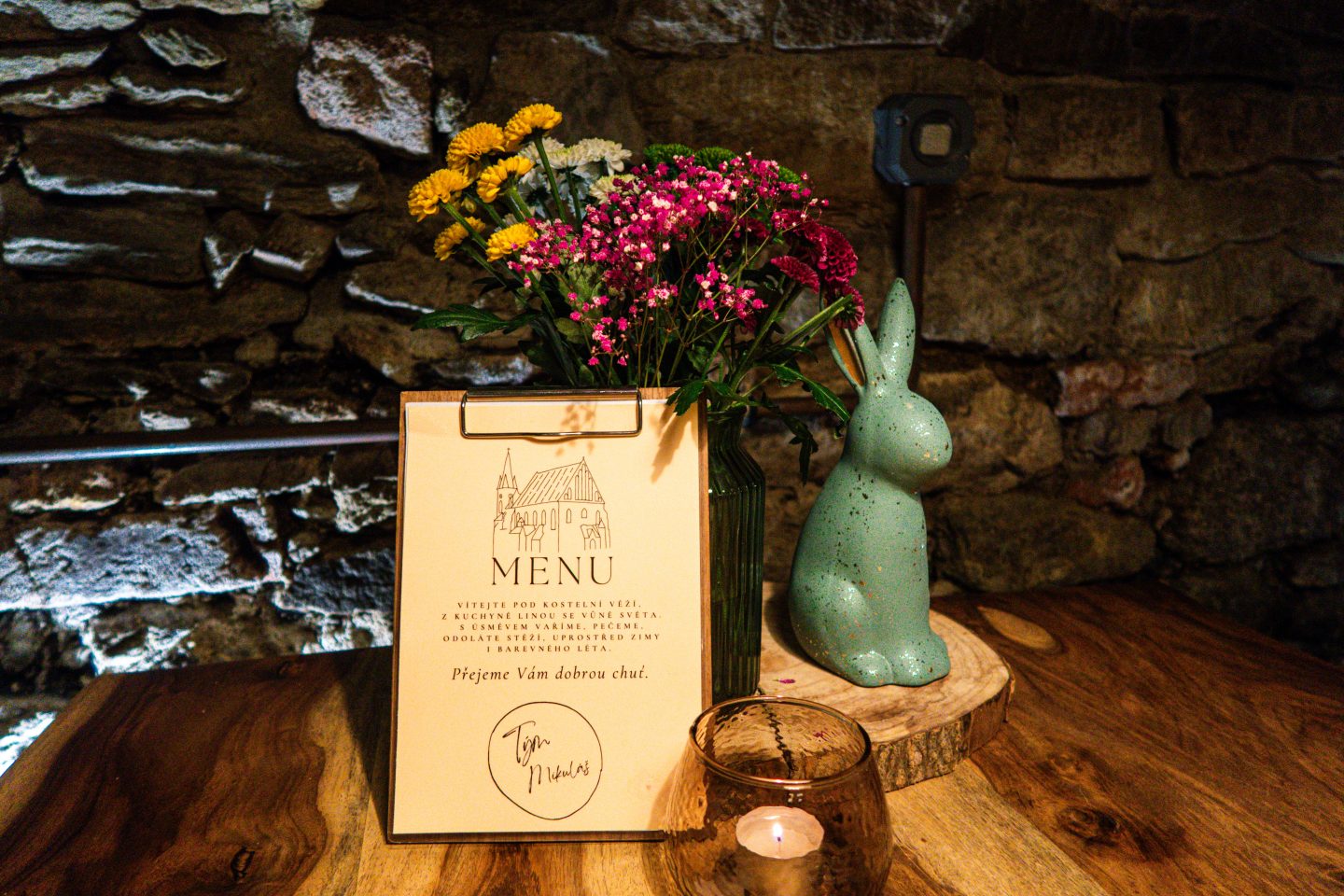
After the tunnels, I headed to Mikulas Bistro. It has a cute courtyard with gorgeous views over the town’s red-tiled roofs.
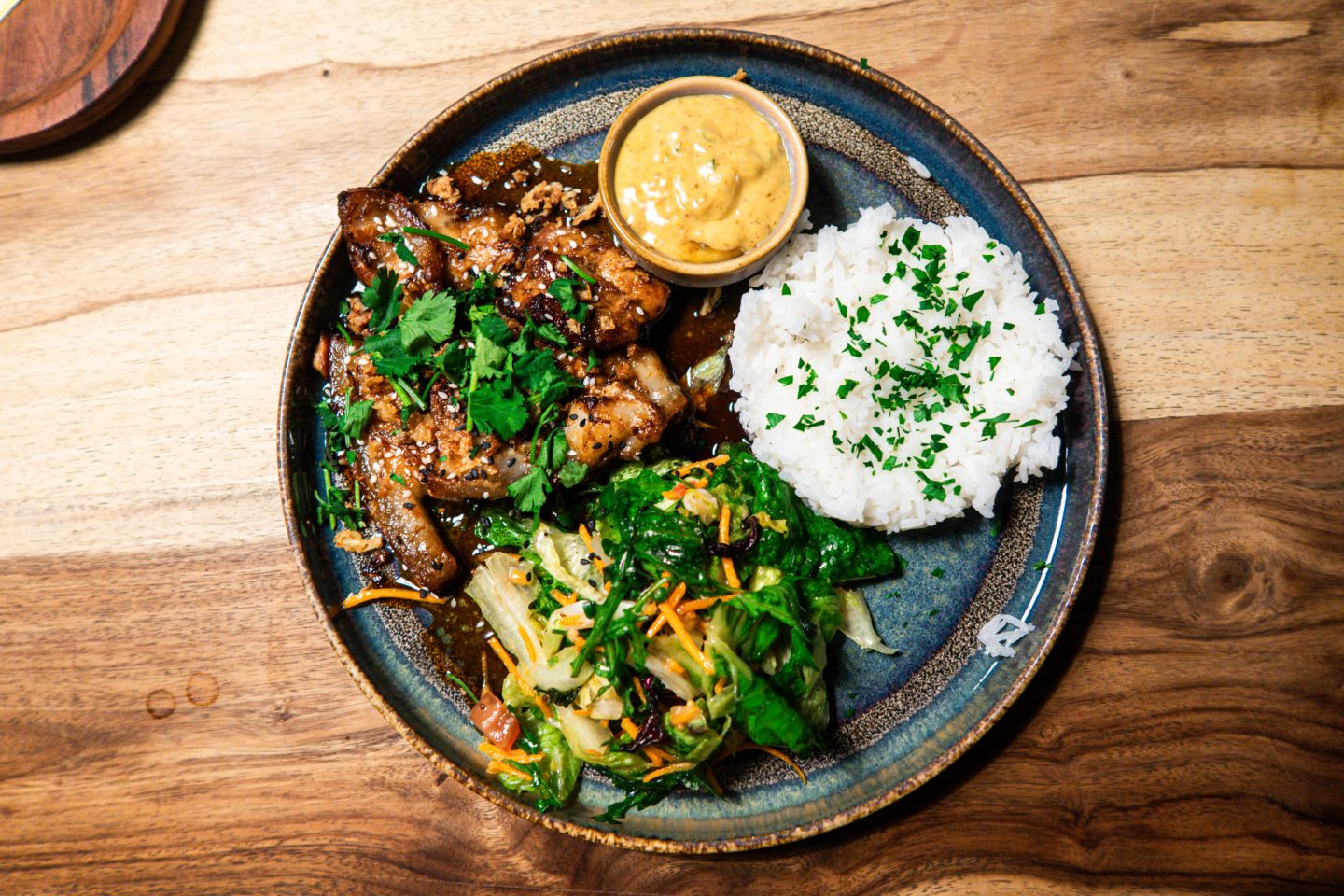
I ordered the ‘Bůček 5 Flavours – a melt-in-the-mouth pork belly dish served with spicy roasted eggplant dip, an Asian-inspired sauce, sesame and crispy grilled potatoes.
You can also have it with homemade sourdough bread. It was absolutely delicious.
Enoteka: Wine Without the Snubbery
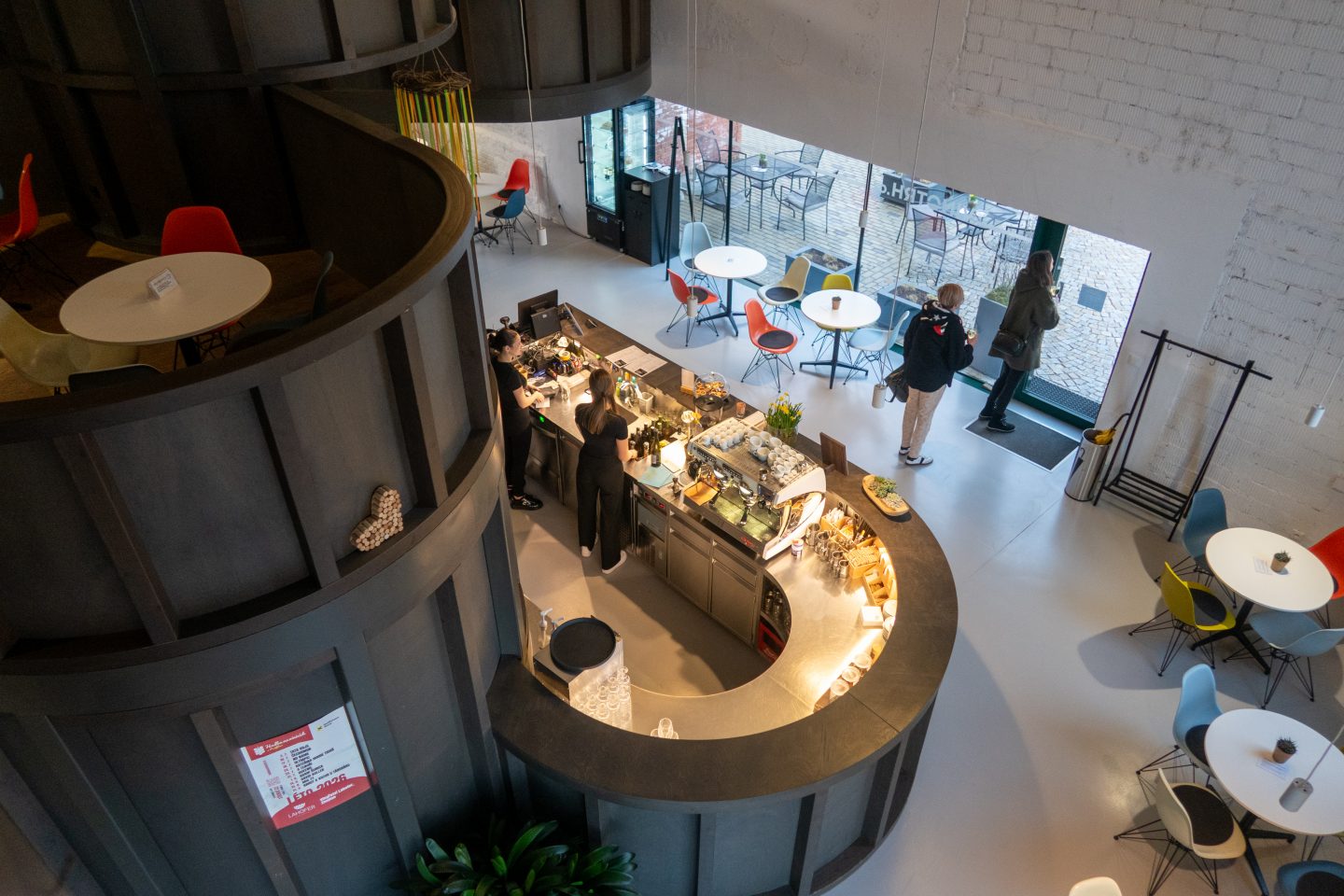
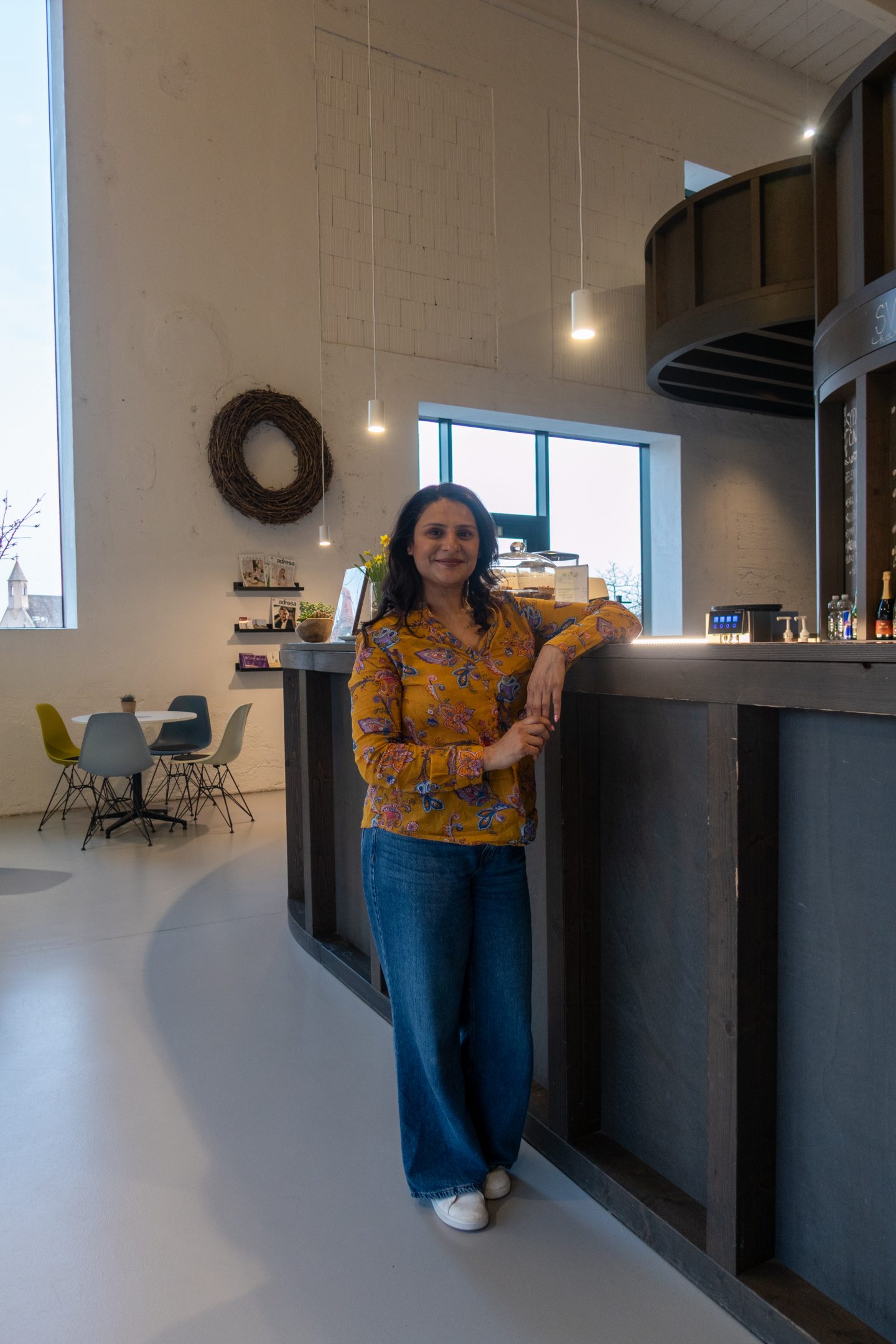
In the evening, I visited Enoteka Wine Bar. I’ll be honest— – ’m not a wine connoisseur and sometimes wine tastings can feel a bit snobby. Enoteka completely removes that.
It’s housed in a stunningly designed building that blends old brewery architecture with modern glass and big windows that offer a gorgeous view of the local church.
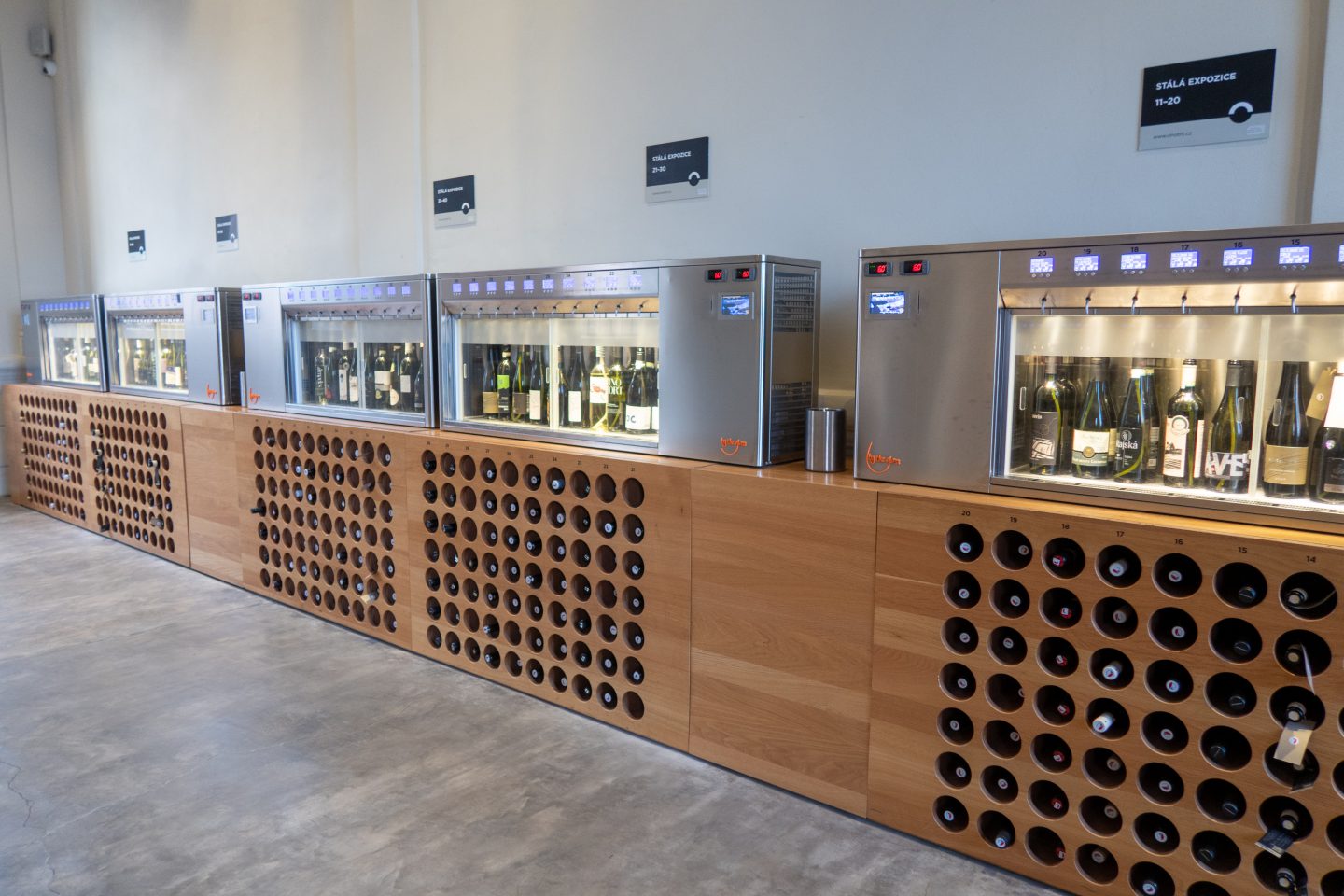
It works on a ‘By the Glass’ system with machines, so there’s zero pressure. You just top-up a card with credit at the bar and sample what you like. Any credit left over at the end is refunded to you.
If wine isn’t your thing, it doubles as a top-tier coffee bar. The design is so open and welcoming; it’s a great place to just relax.
Staying at Thaya Winery
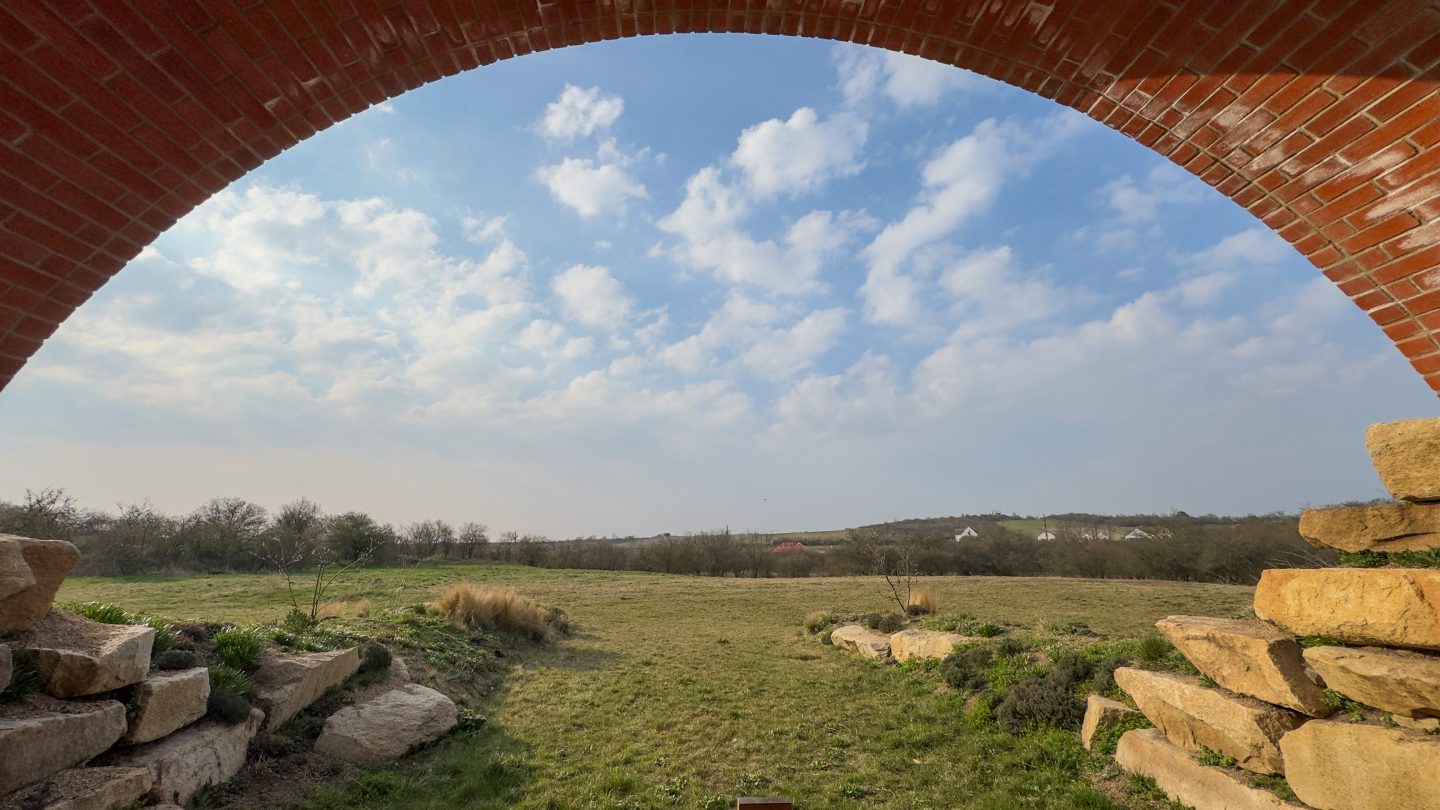
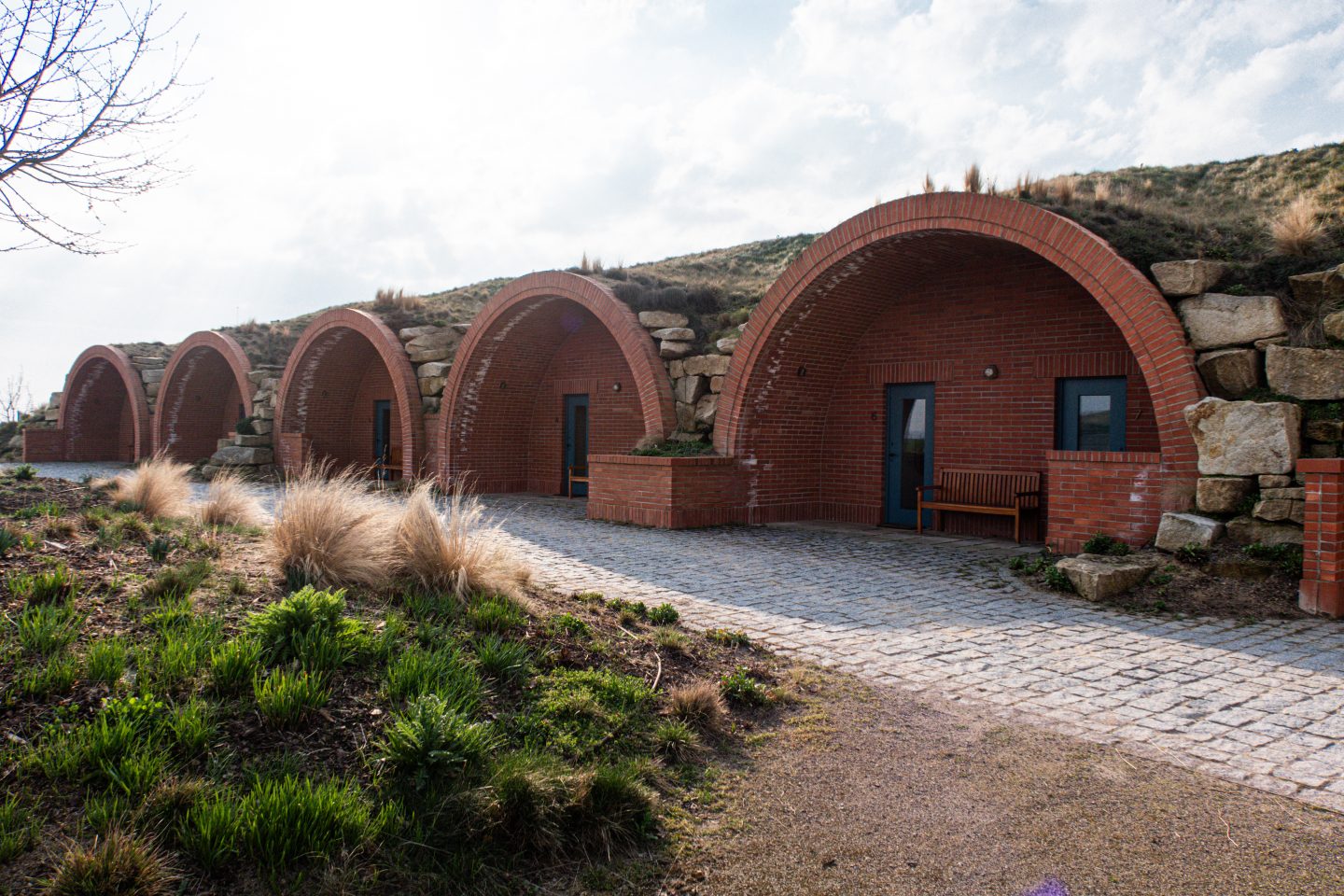
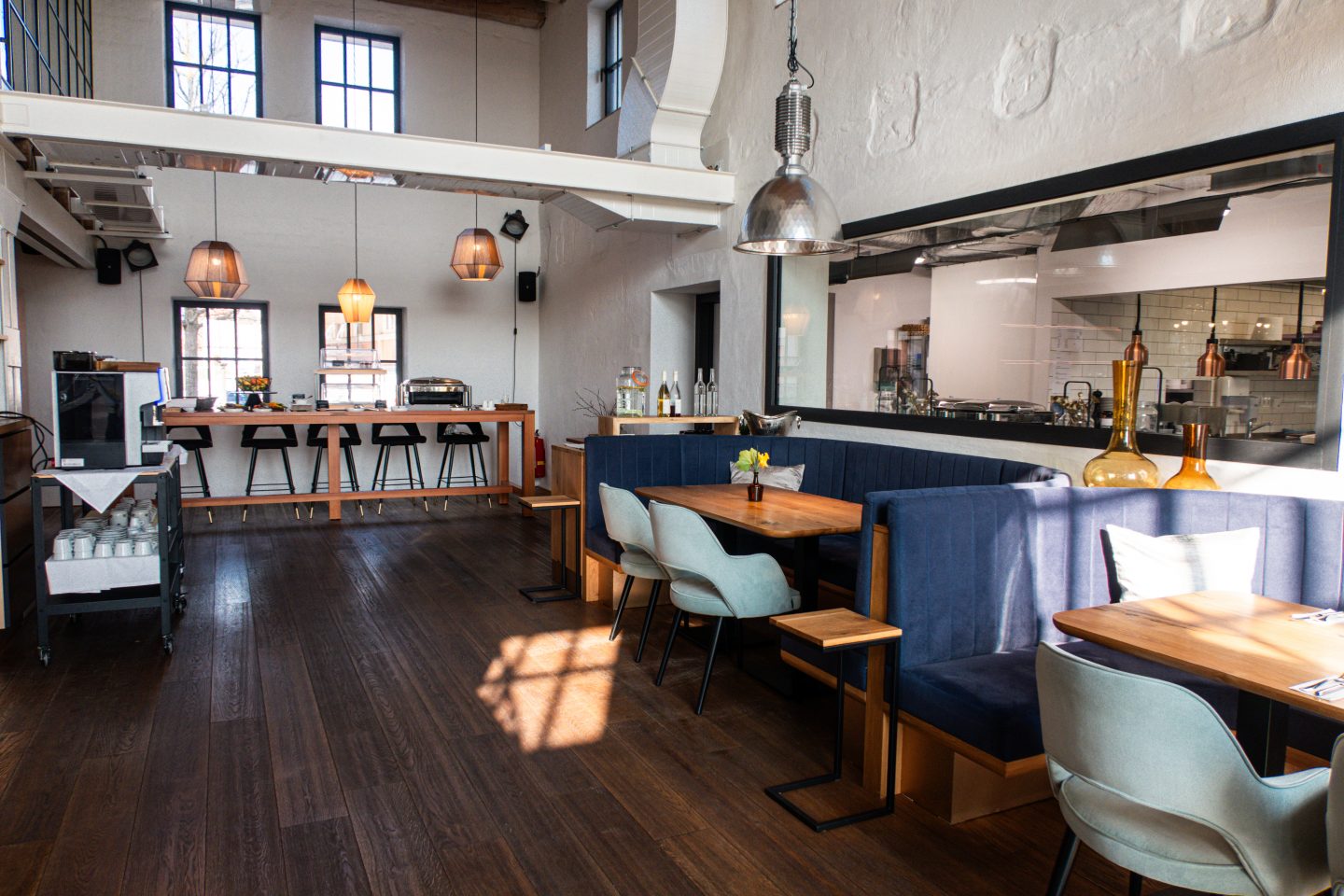
I spent the night at Thaya Winery, which is a total ‘wow’ property. The rooms are Hobbit-style houses built directly into the ground, giving it a proper ‘Hobbiton’ feel.
My room had massive windows looking right out over the vineyards.
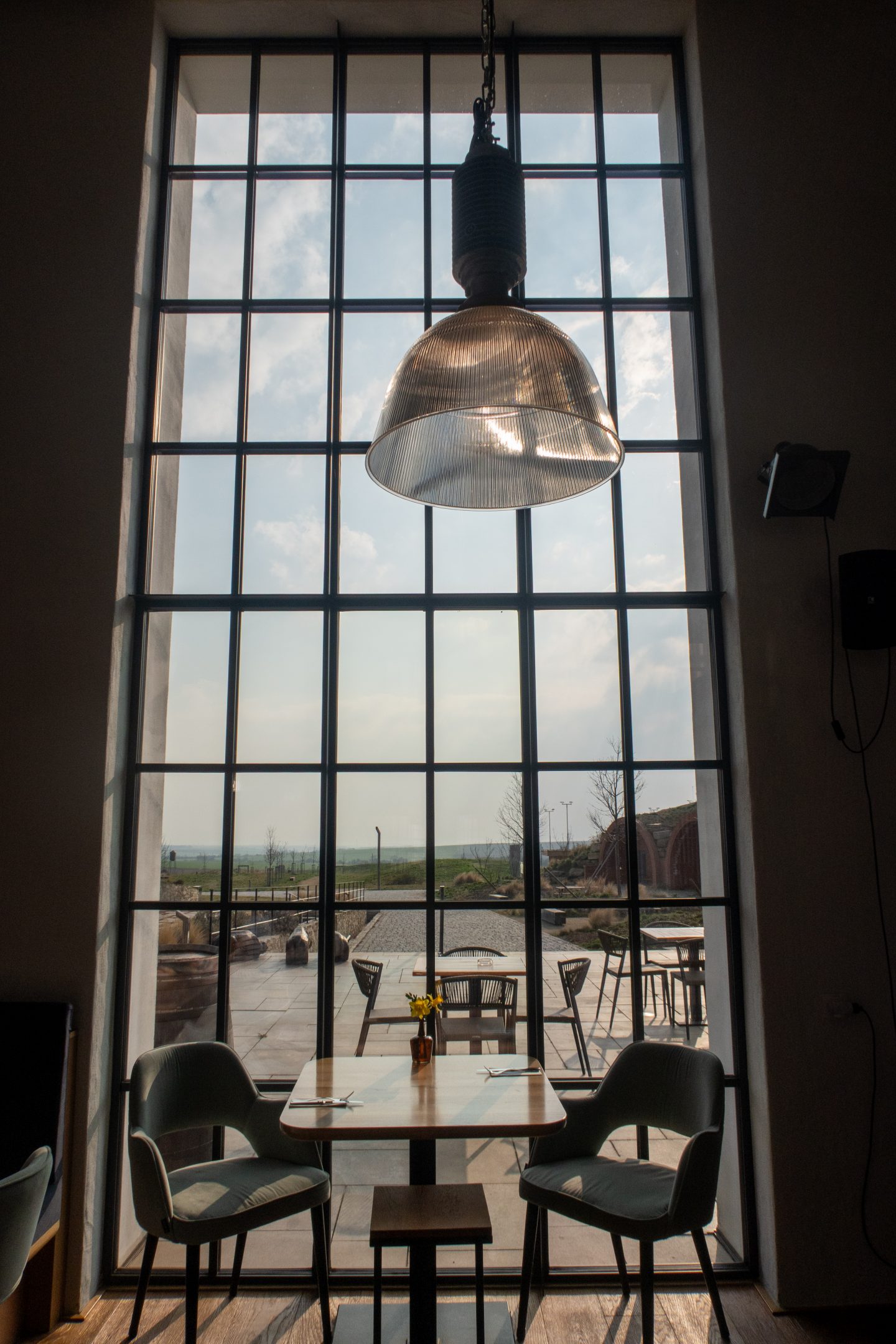
The main building is all open spaces, glass ceilings and big windows. The food in the restaurant was incredible – the dinner menu is refined, and the breakfast spread is certainly not to be missed.
There’s even a rooftop terrace where you can take in 360-degree views of the vineyards. You are literally sleeping in the middle of the vines.
Day 2: Wine Villages, Chateaux and Mikulov
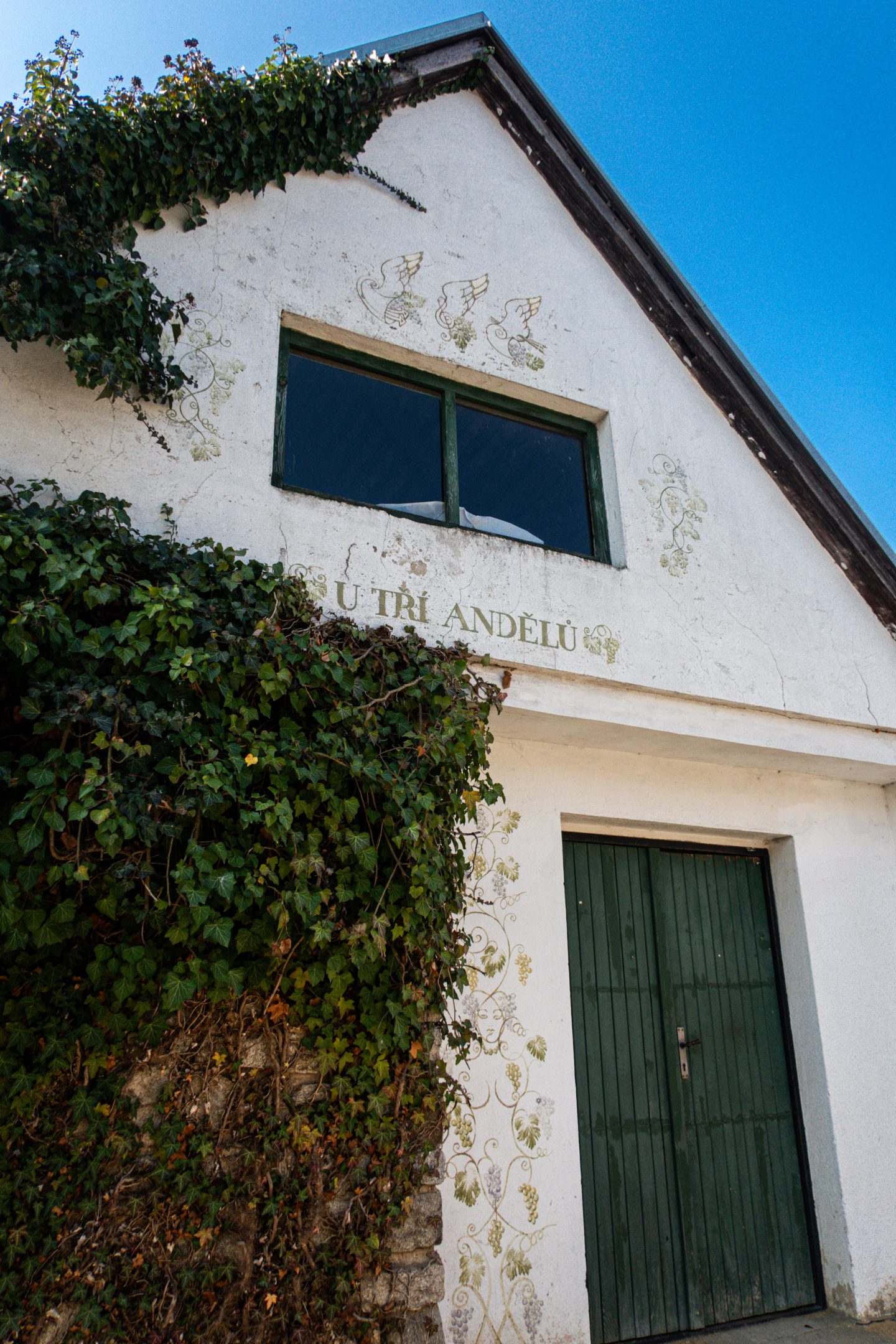
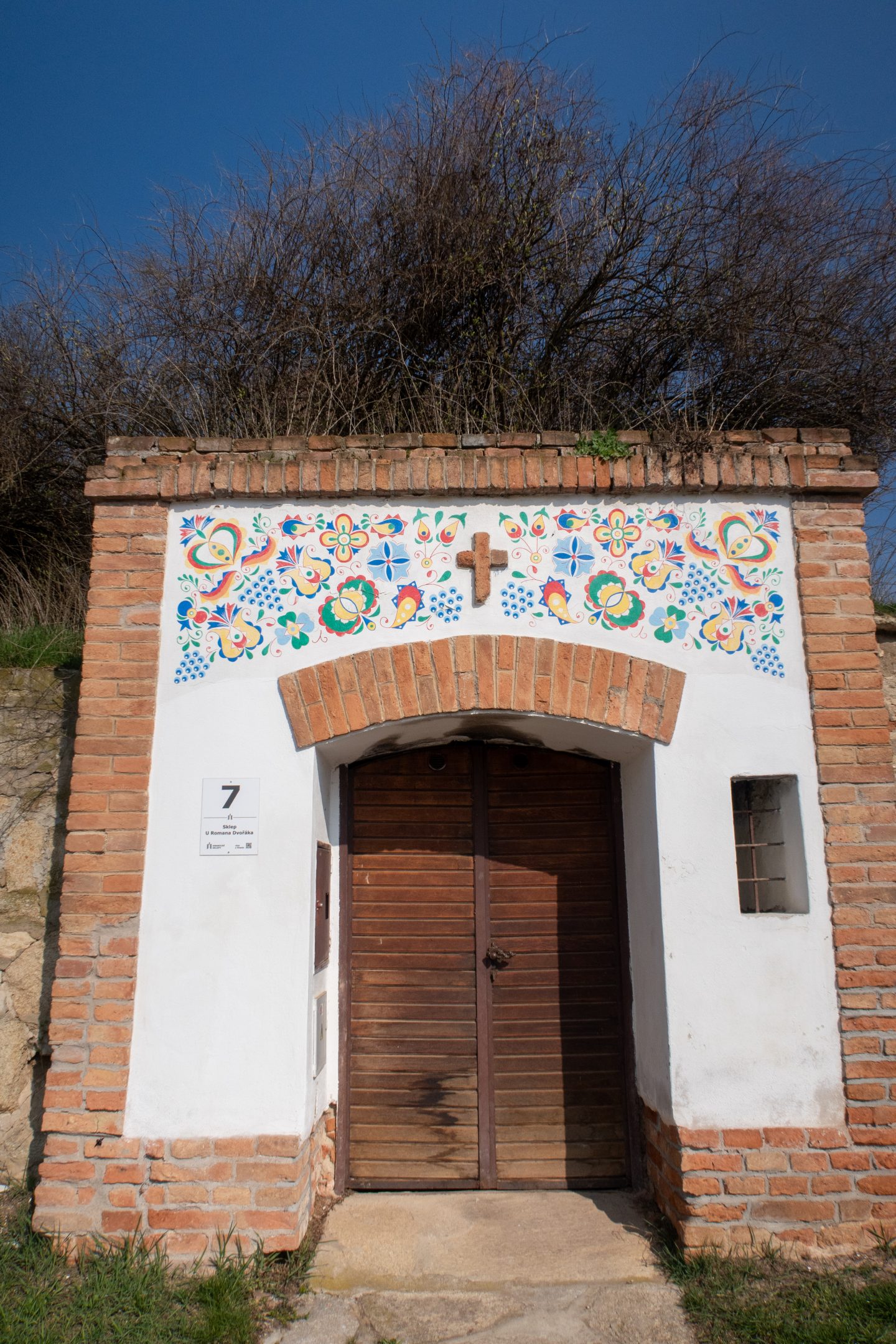
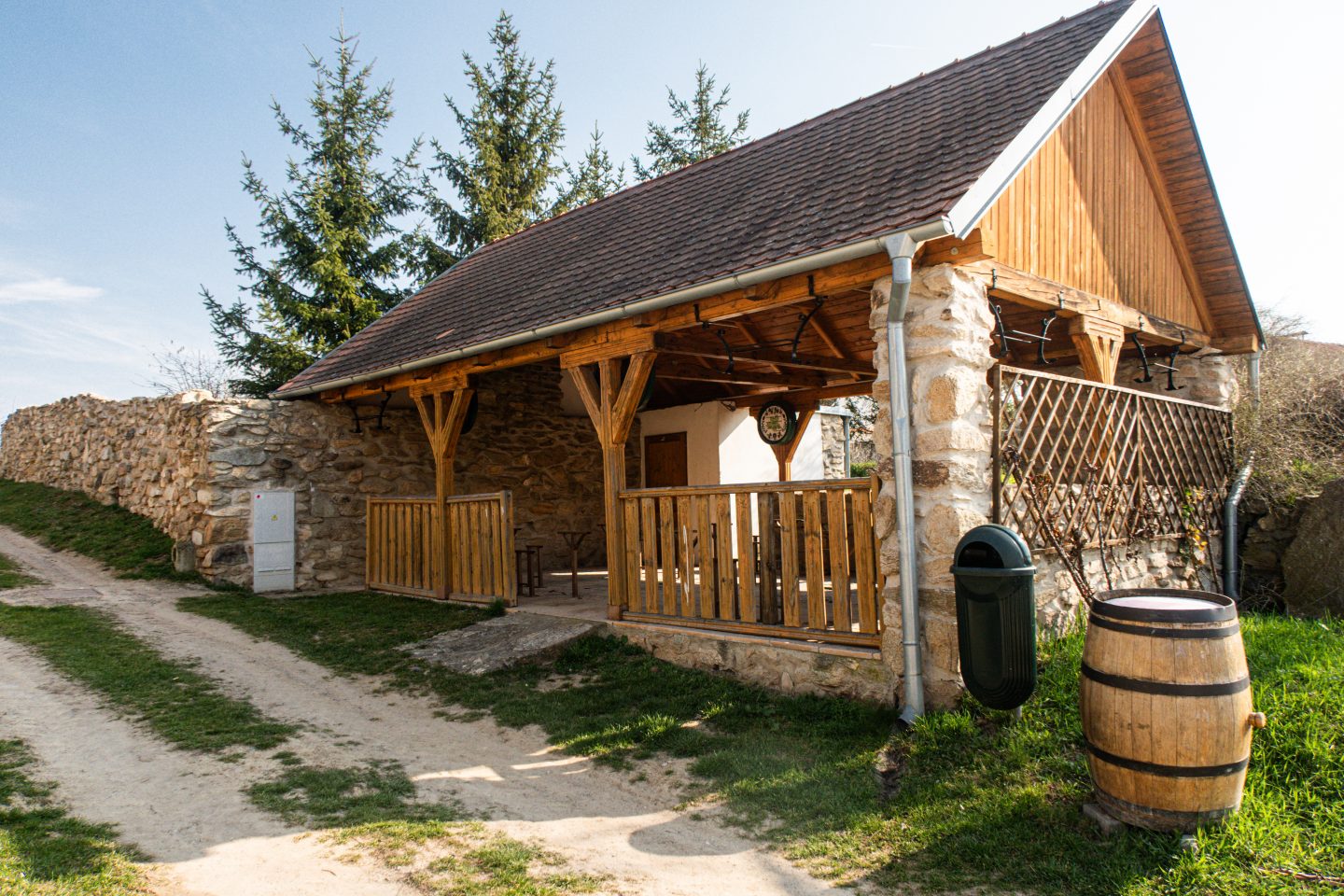
The next stop was Vinarska Obec Hnanice. This is a quintessential wine village made up of small, traditional cellar buildings.
Al Fresco Hopping
If you come during the warmer months, the vibe is amazing. You can hop from winery to winery, sitting al fresco and chatting with the local producers.
It’s a very social, community-focused way to experience South Moravia wine country.
Even out of season, you can see the charm of these small cellars where you can learn about the wine directly from the producers.
Lednice and Valtice
Next were the Lednice and Valtice chateaux, which once belonged to the powerful Liechtenstein family for centuries. They look like they belong in a fairytale, with Neo-Gothic details that actually remind me of some of the top things to do in Prague.
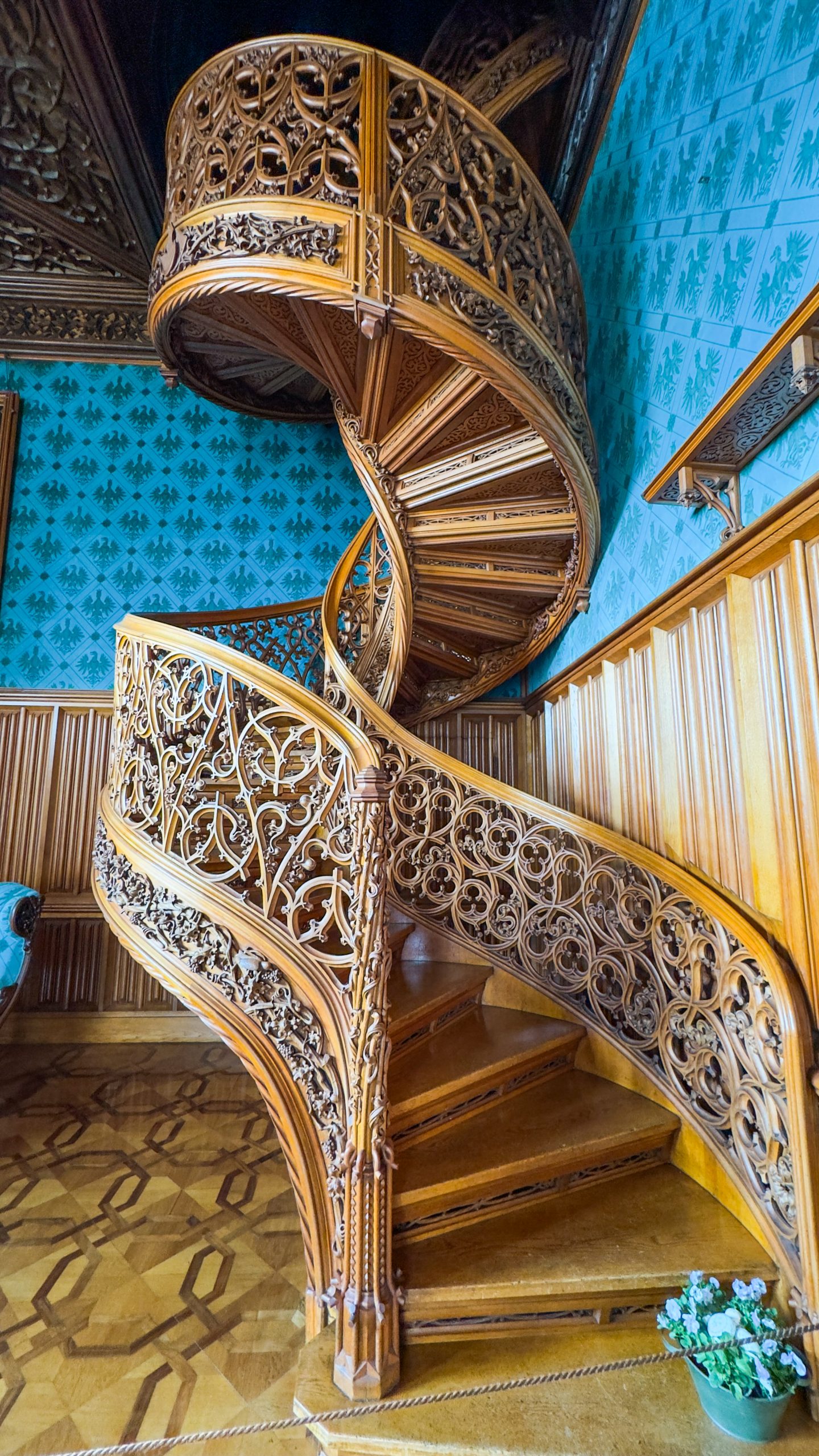
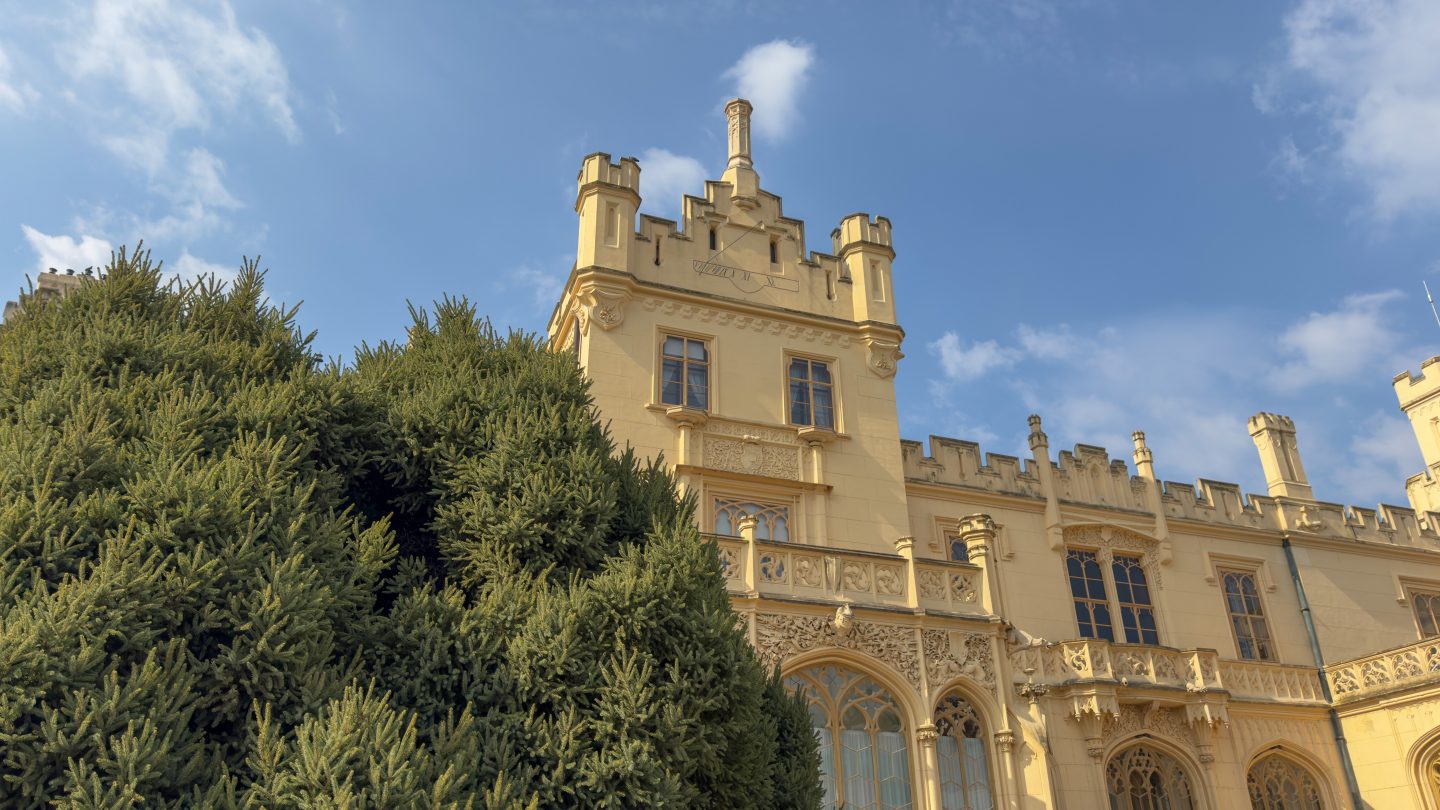
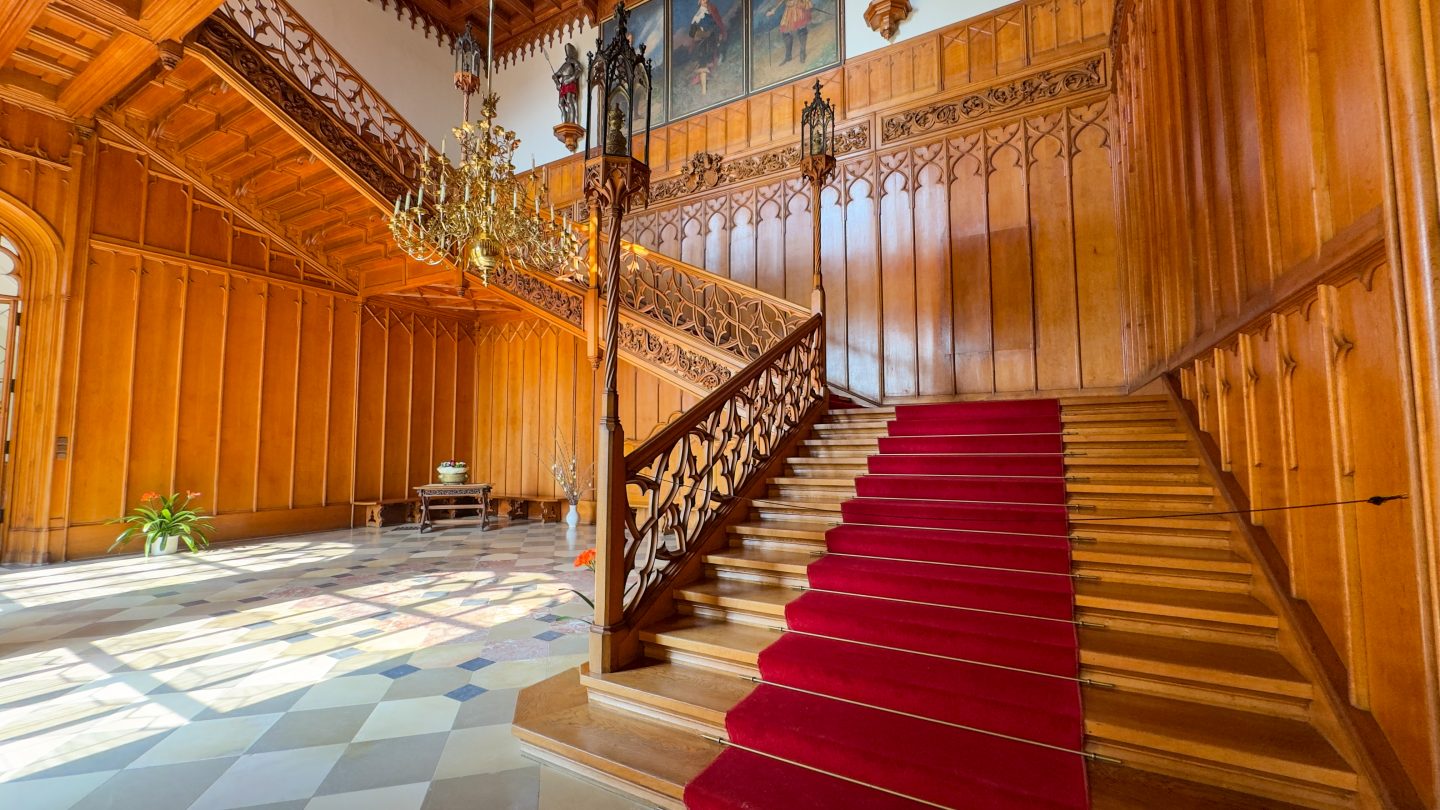
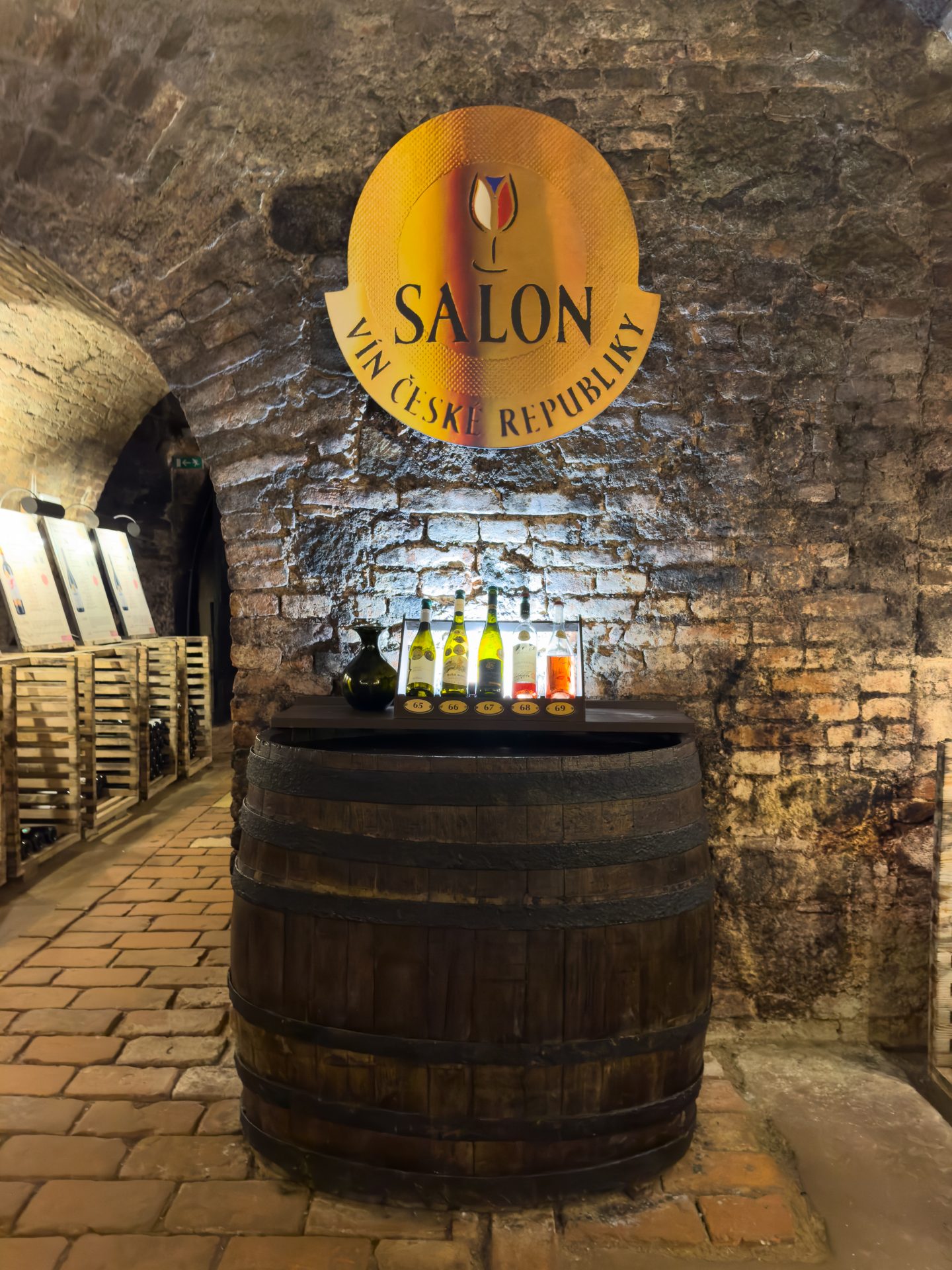
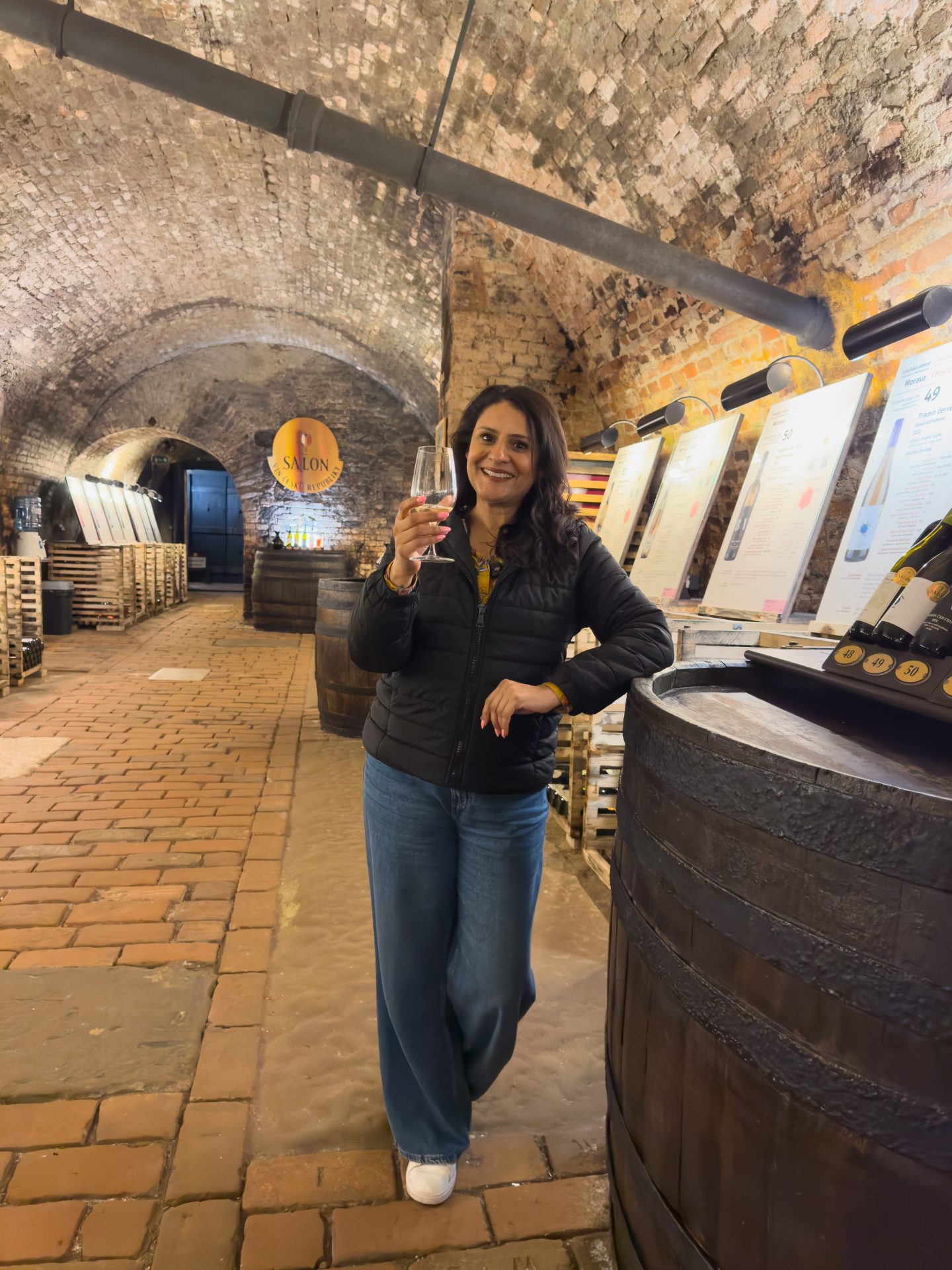
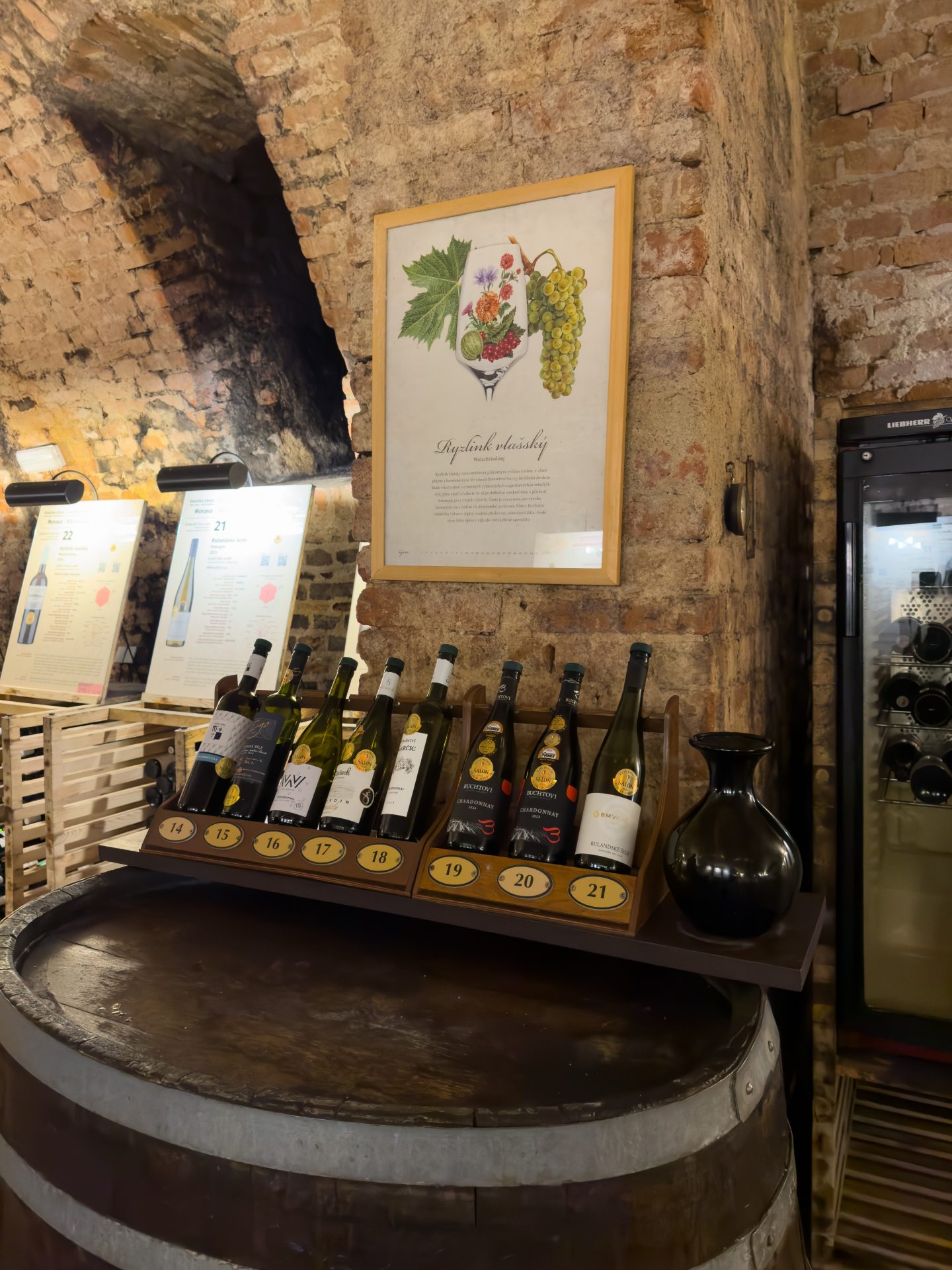
Inside Valtice Chateau is the National Wine Salon – and I mean in the cellar.
This is a prestigious competition where the Top 100 wines in the country are selected. Aside from the ‘Number One’ bottle, all other positions are equal.
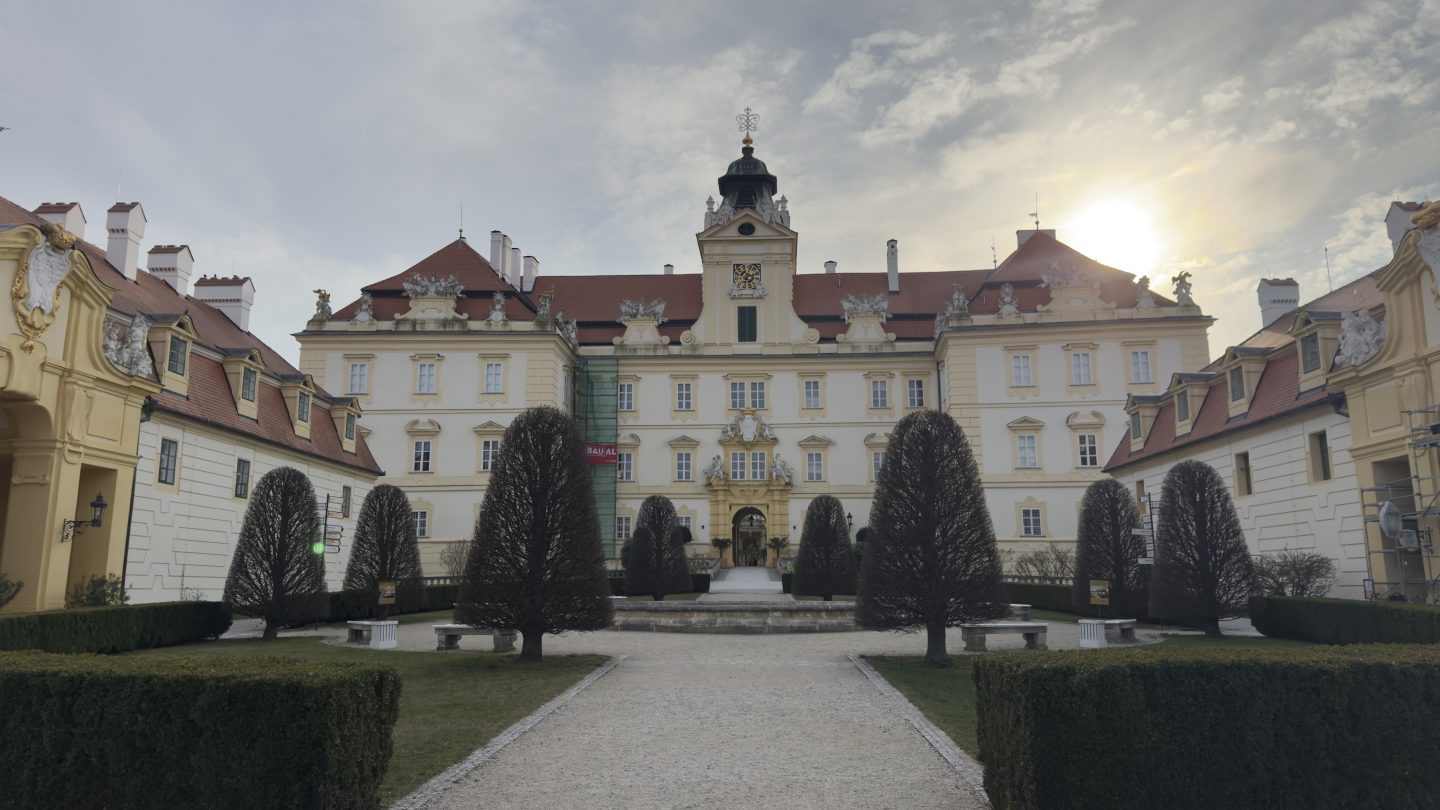
You pay one entrance fee and try as many as you like. Again, this is a ‘by the glass’ system as you can choose from three different quantities.
Each wine has a big board showing sugar levels, acidity and aromas. It’s a completely no-pressure environment. If you like a bottle, you can buy it right there to take home.
The Beauty of Mikulov
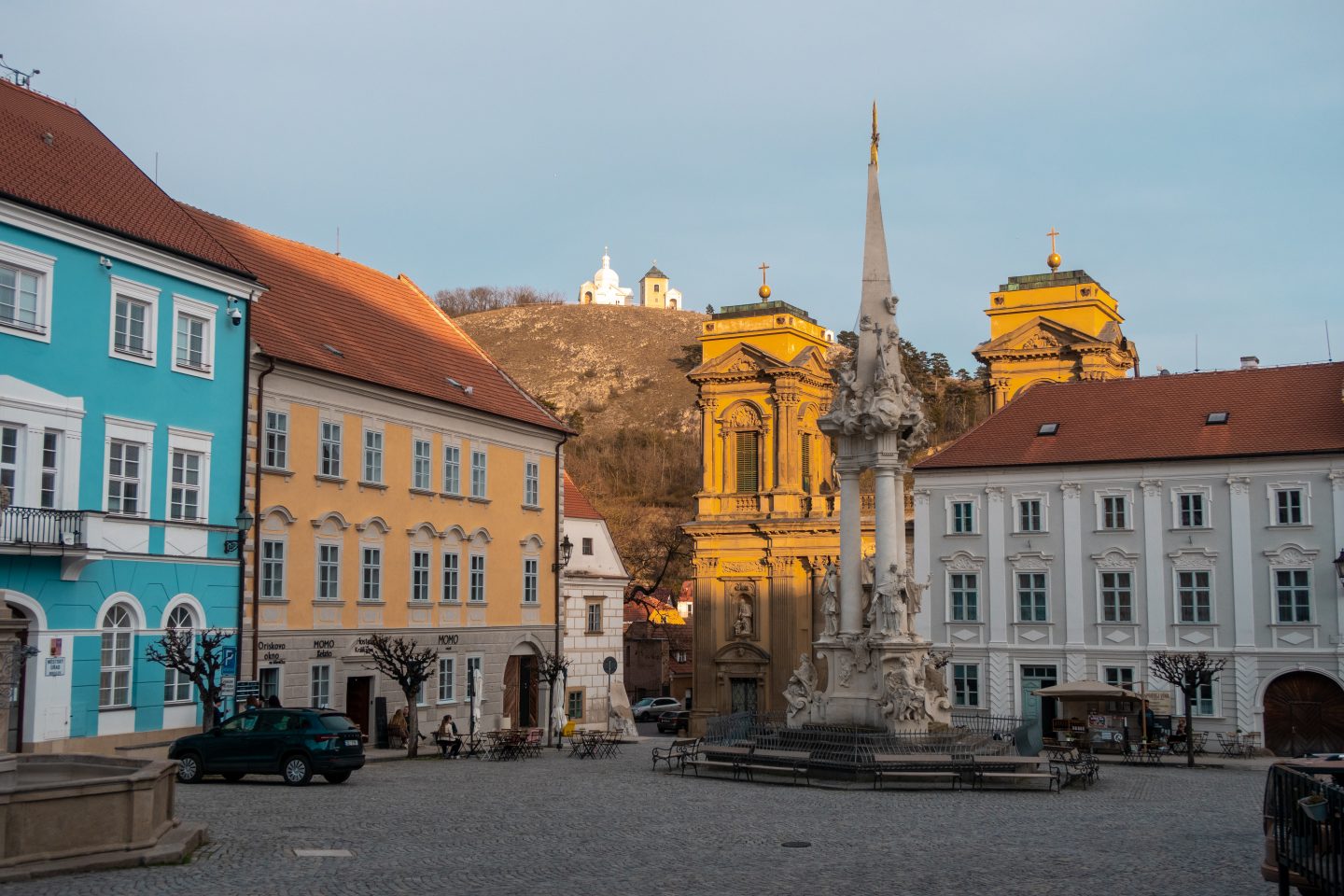
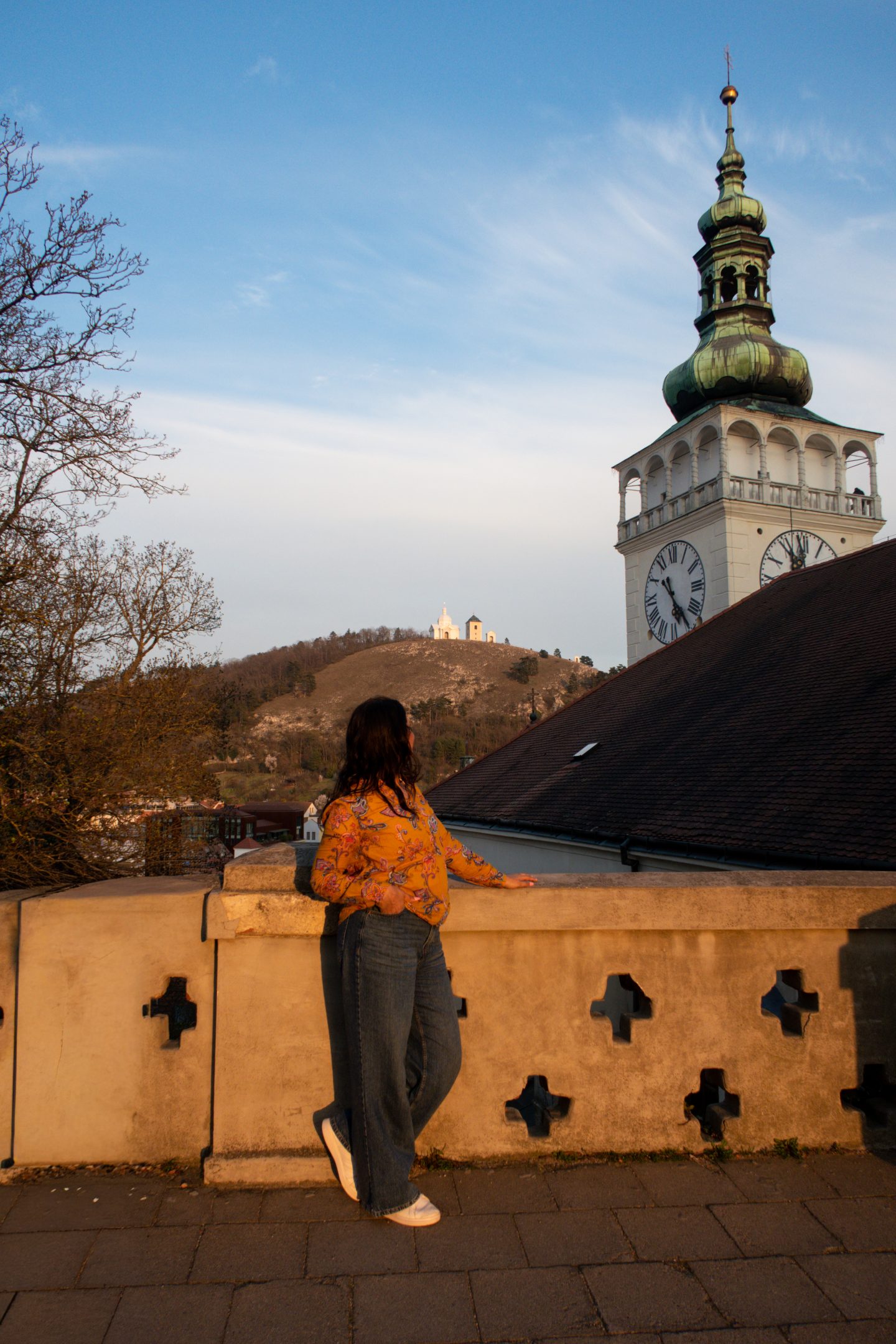
By late afternoon, I reached Mikulov. This town is a must-visit in South Moravia wine country. With a population of around 7,500, it feels intimate but lively.
Historically, it was a significant Jewish centre and home to the Dietrichstein family, but since World War II, the Jewish community is no longer present.
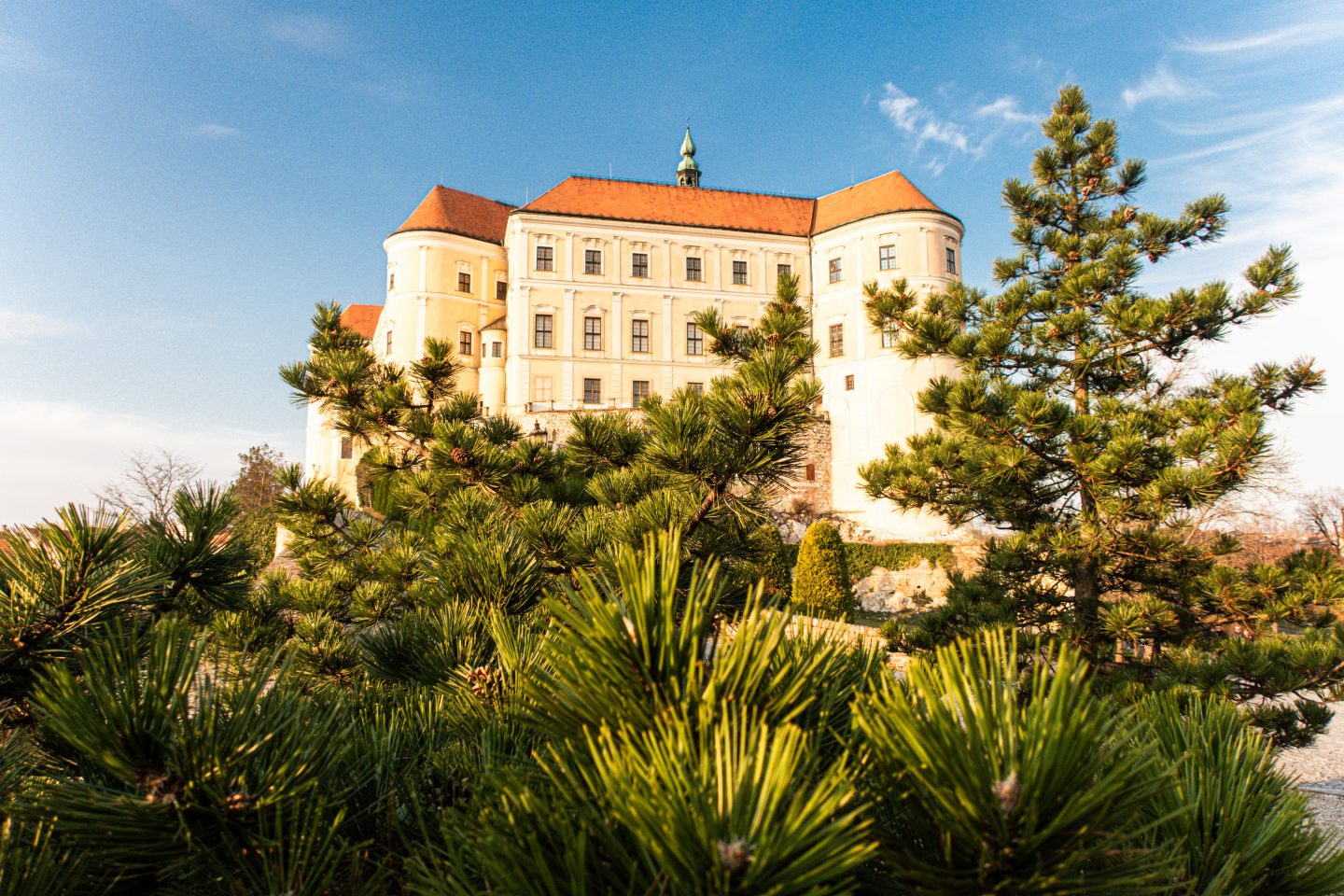
The Mikulov Chateau sits on a limestone cliff, dominating the skyline.
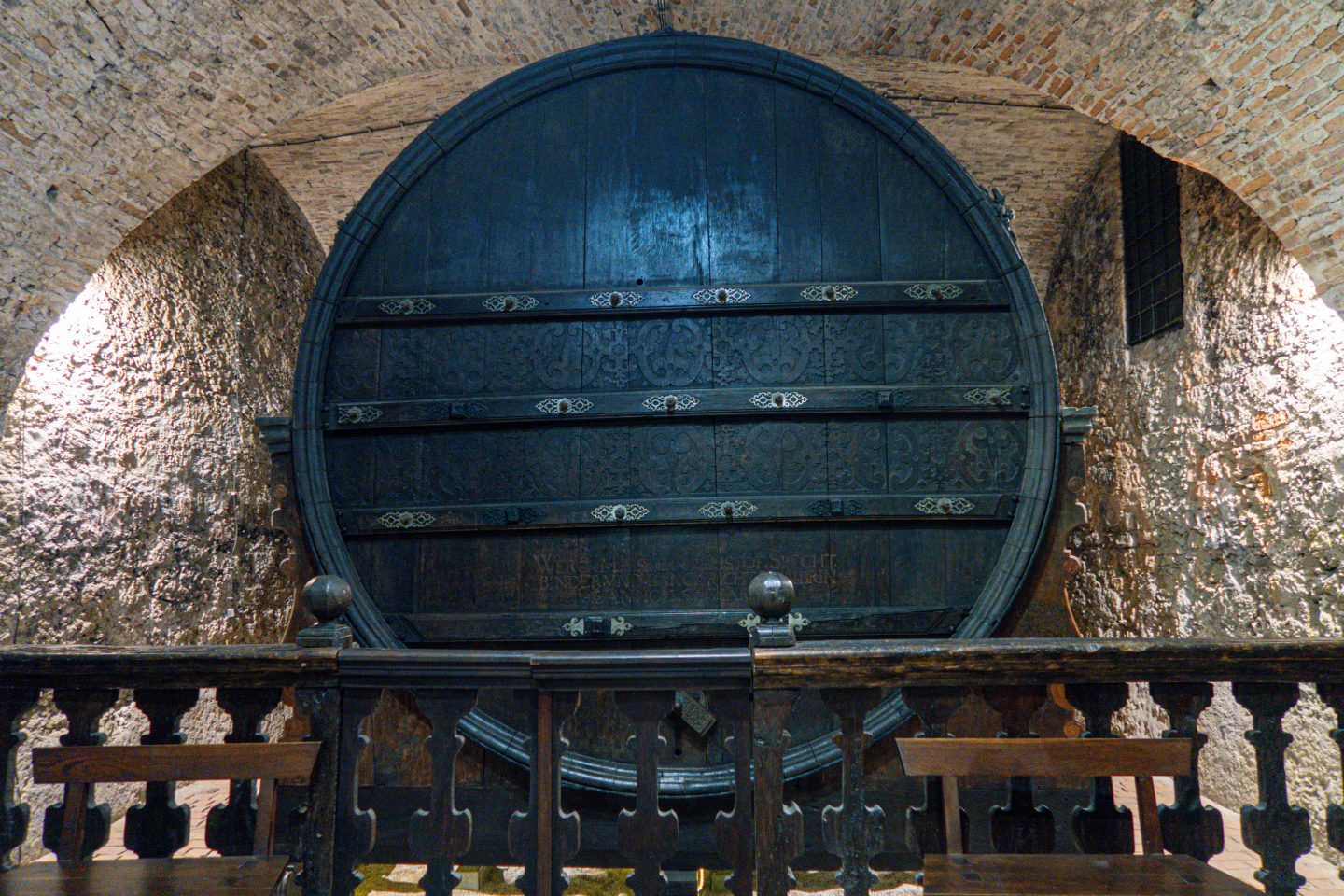
Inside, you’ll find the Big Barrel – an impressive piece of the region’s wine heritage. Built from oak in 1643, it’s one of the largest wine barrels in Europe and once held over 101,000 litres of wine.
At the time, the people of Mikulov produced wine as part of daily life, with a tenth of their harvest paid as tax to local noblemen and dignitaries. Much of the wine was then consumed locally, as it was often considered safer to drink than water.
Nature: Podyji National Park and the “Czech Amazon”
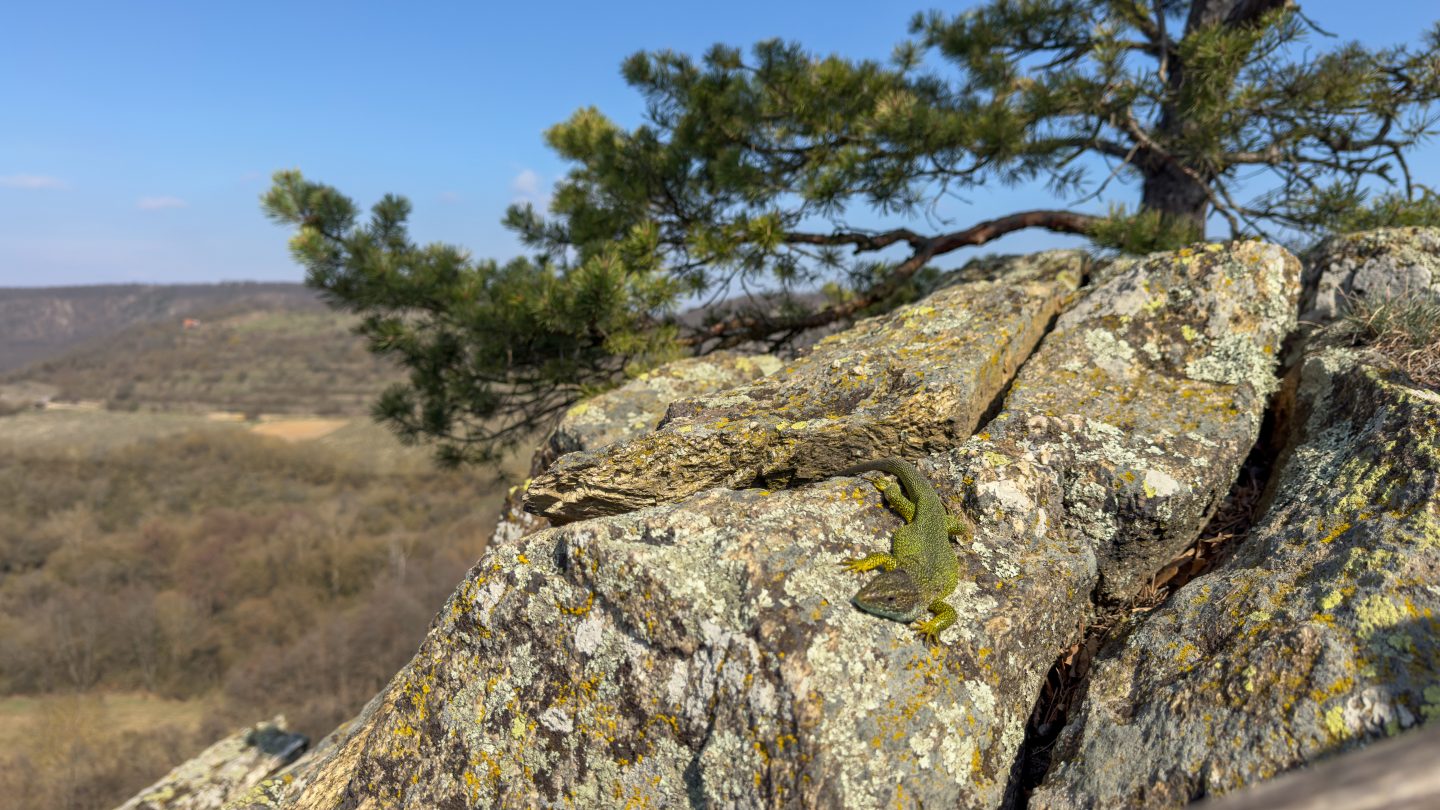
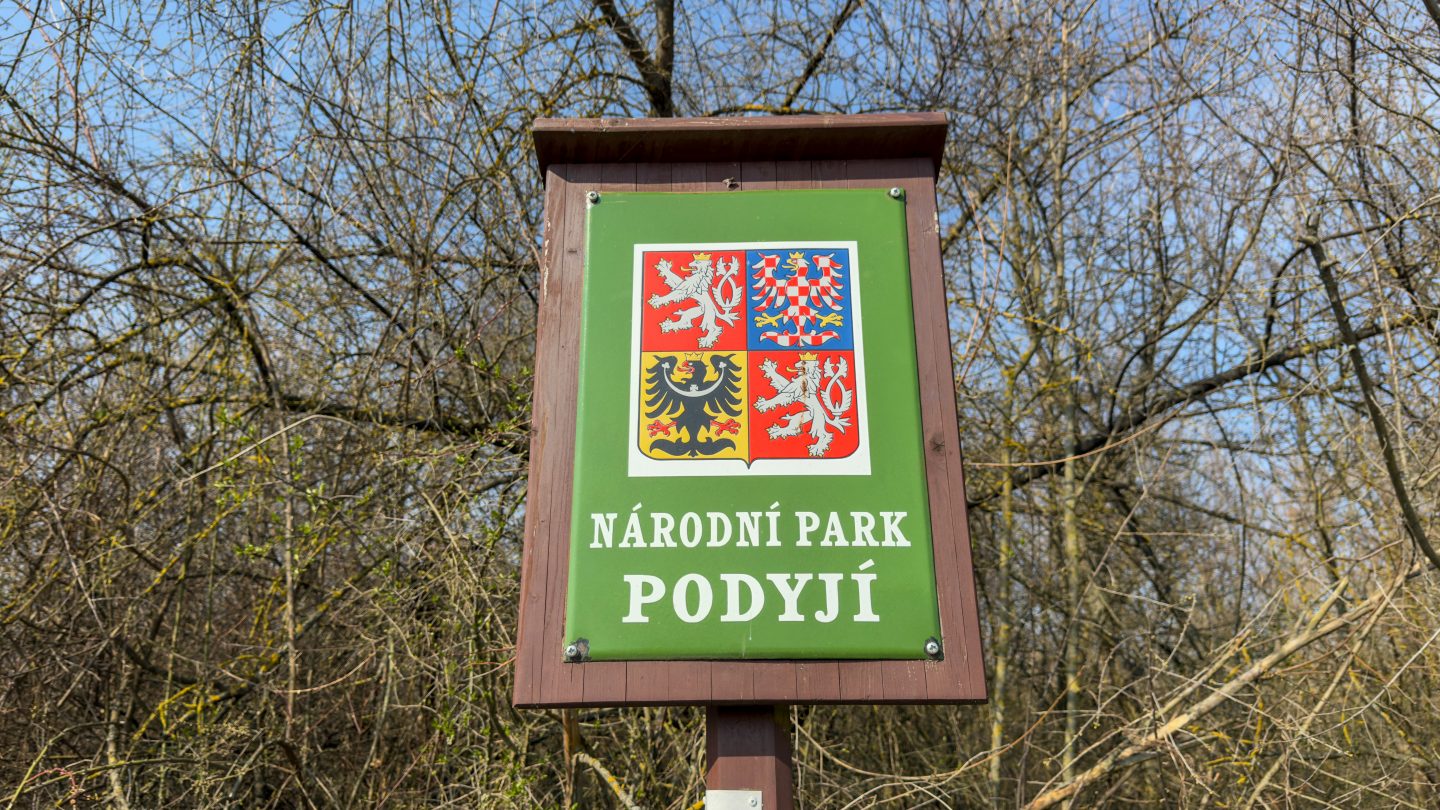
Between wine stops, I explored Podyjí National Park. This area was once part of the Iron Curtain – a heavily restricted border zone that divided Europe during the Cold War.
For around 40 years, access was strictly limited, meaning almost no one was allowed in. As a result, nature was left completely undisturbed and able to thrive.
Today, it’s often referred to as the ‘Czech Amazon’ thanks to its dense greenery and the way the river winds through deep, untouched valleys. The landscape feels wild and remarkably well preserved, precisely because it was off-limits for so long.
The river also creates a unique microclimate here, with warm, sheltered conditions often compared to France’s Rhône Valley. That combination of climate and terrain is a big part of why the wines from this region are so distinctive.
The Sobes Overlook
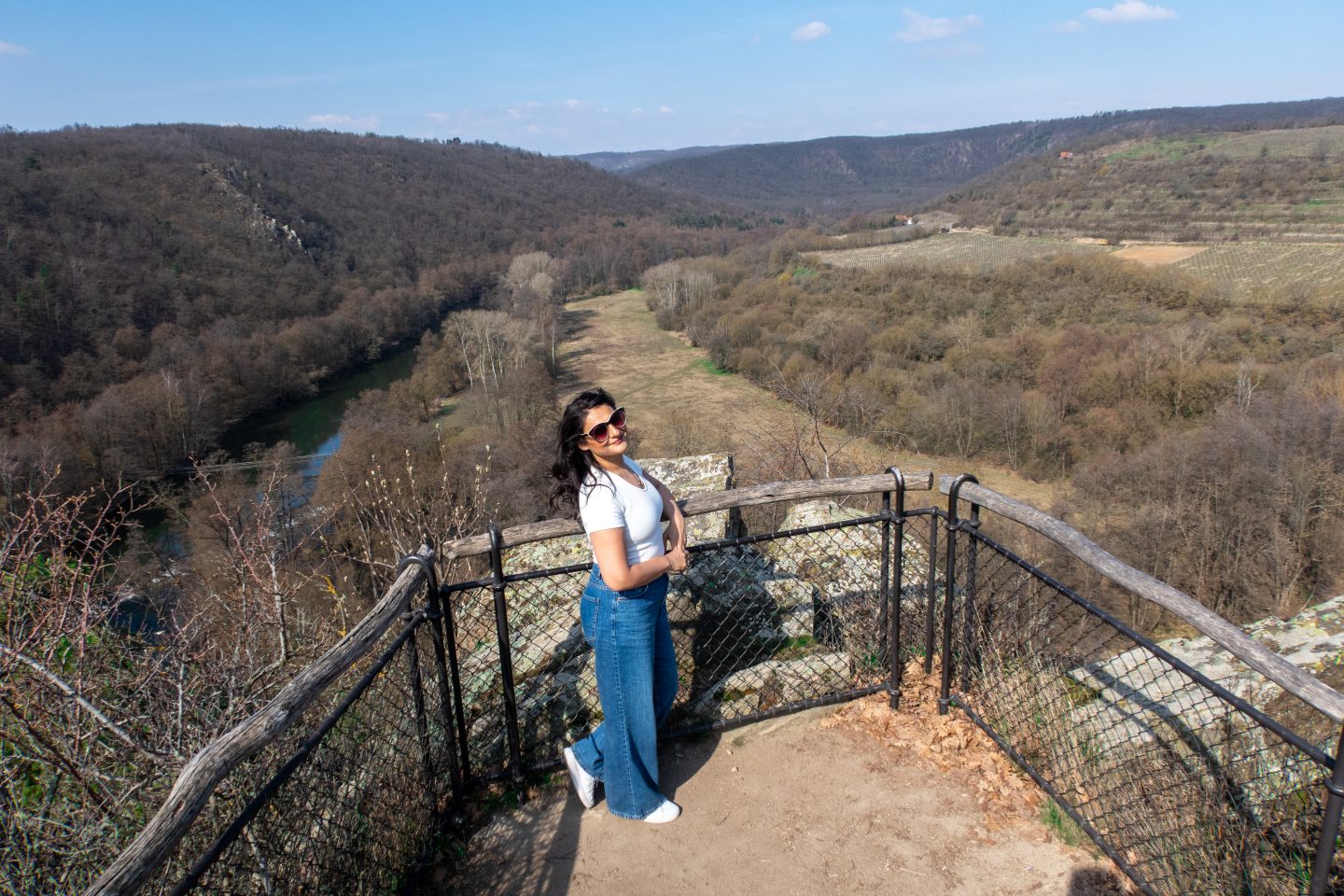
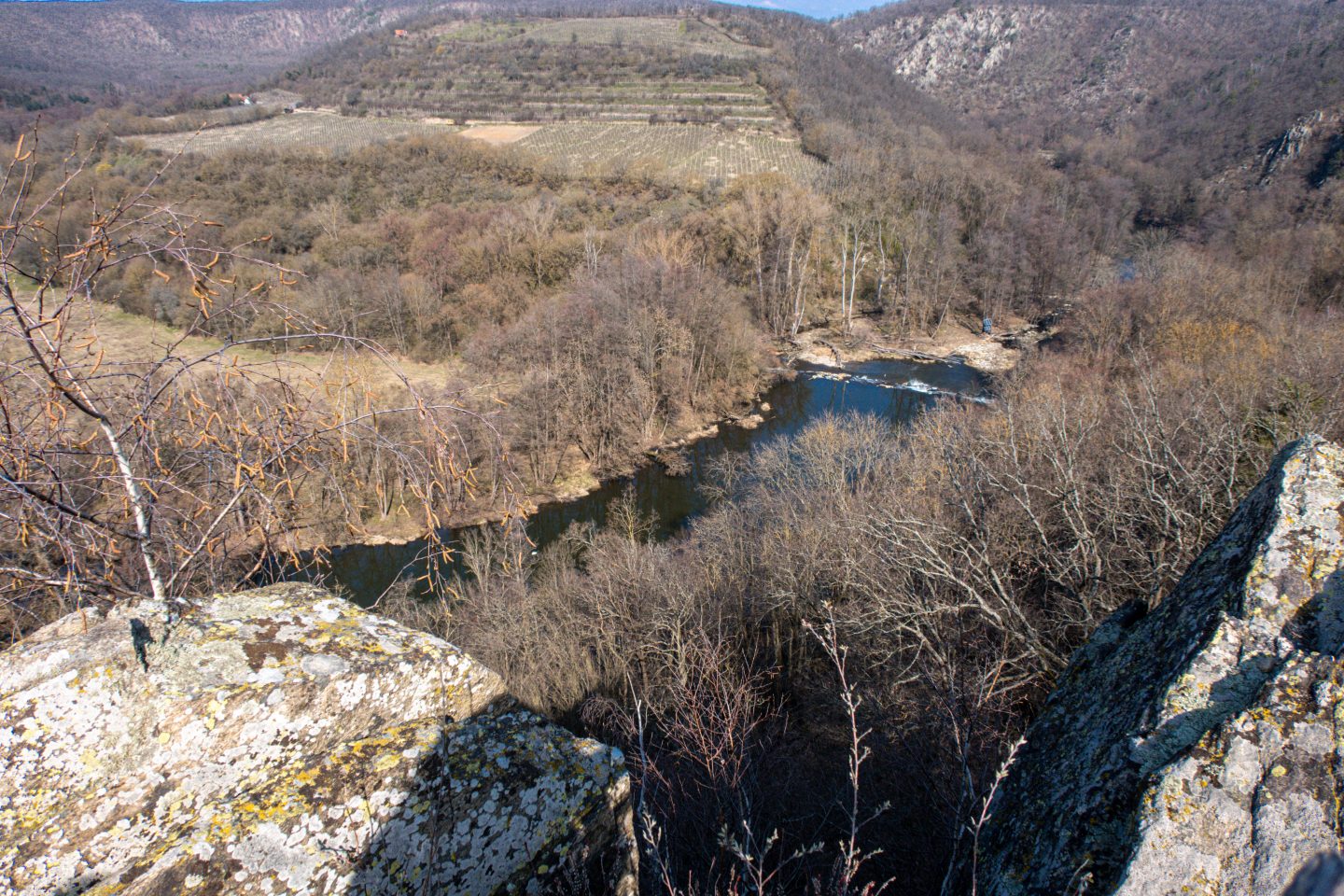
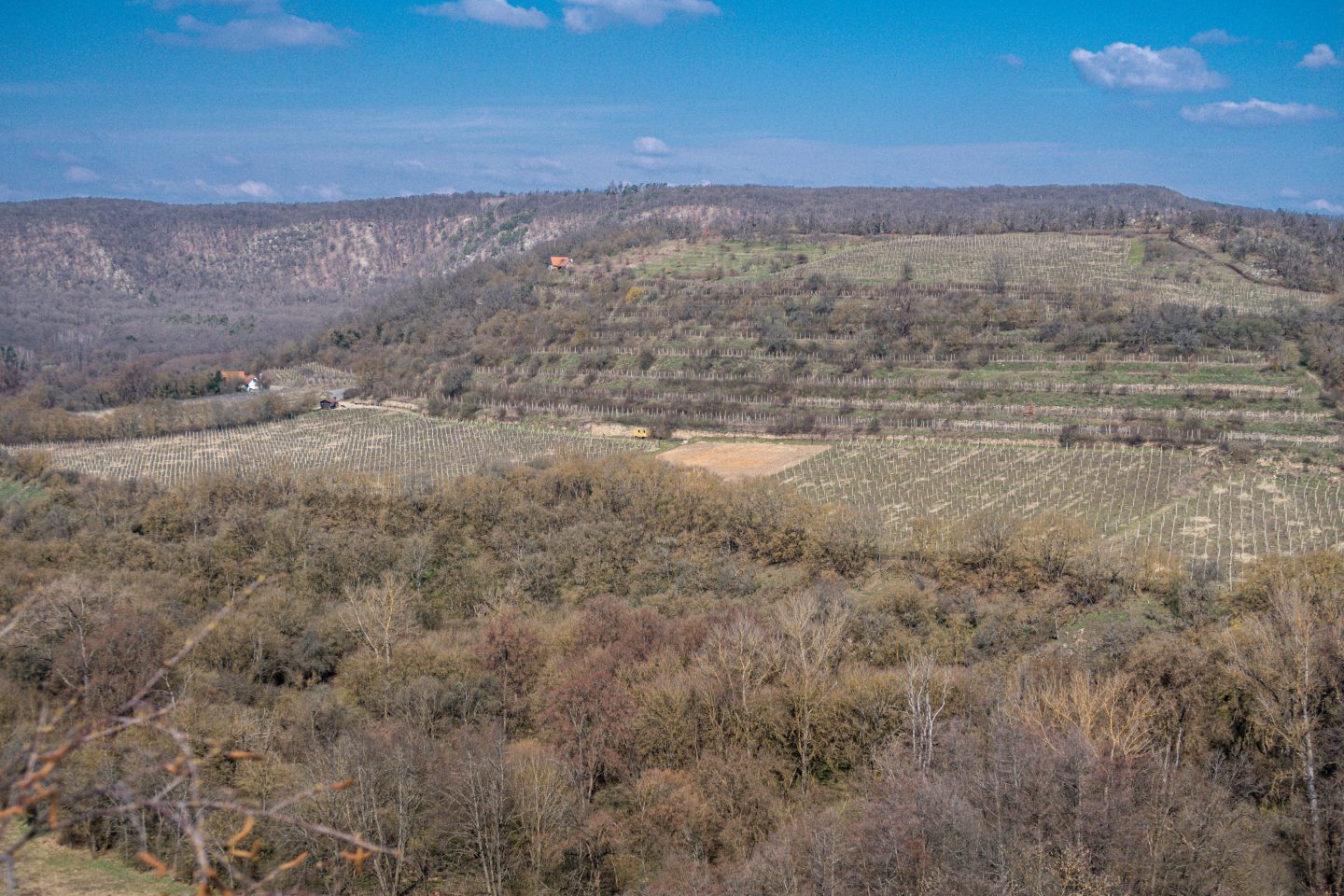
While you’re here, it’s well worth hiking up to the Šobes Overlook for panoramic views of one of the oldest vineyards in Europe.
From the top, you can see the vines stretching down towards the river, framed by rolling hills and dense forest. It’s one of those viewpoints that really puts the landscape into perspective.
Standing there, you realise that in South Moravia’s wine country, the scenery is just as important as the wine itself.
It’s incredibly peaceful and offers a completely different way to experience the region’s viticulture.
Day 3: The Almond Blossom Festival in Hustopece
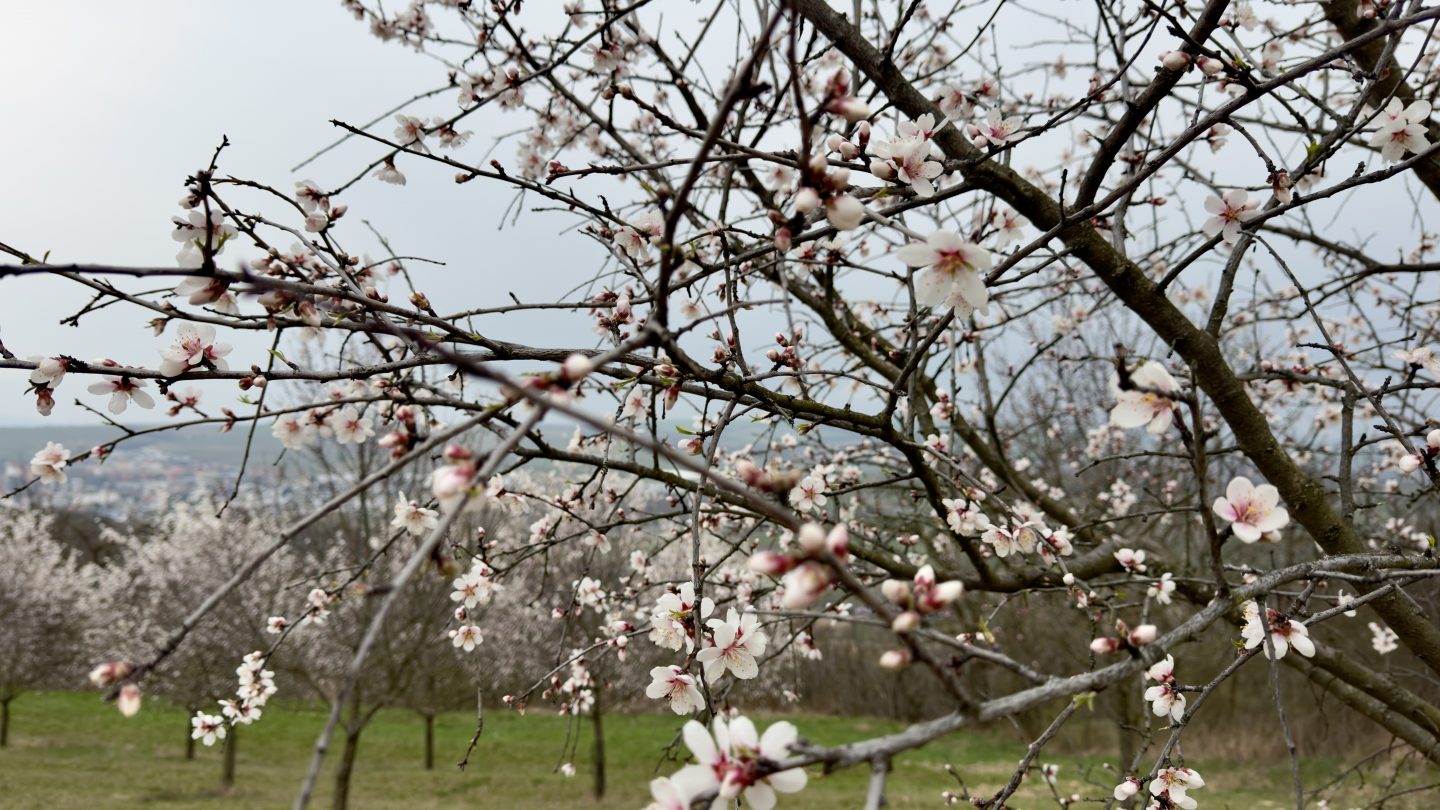
My final day was dedicated to the Almond Blossom Festival in Hustopeče.
This takes place every March, when the orchards burst into soft pink bloom. It’s a huge local event that really brings the whole community together.
To reach the viewpoint tower, there are a couple of walking routes through the orchards, with the hike taking around 30–45 minutes depending on your pace.
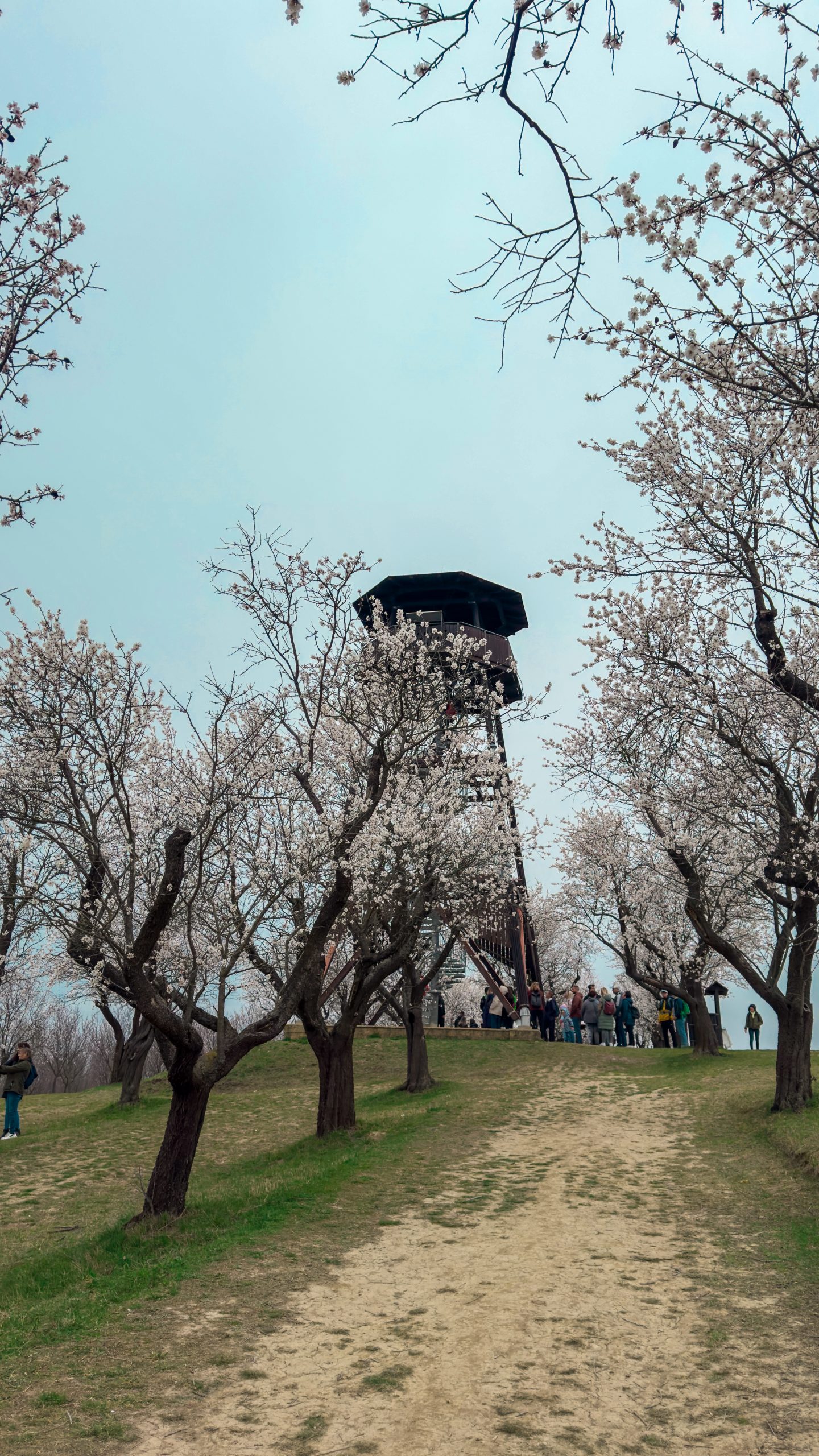
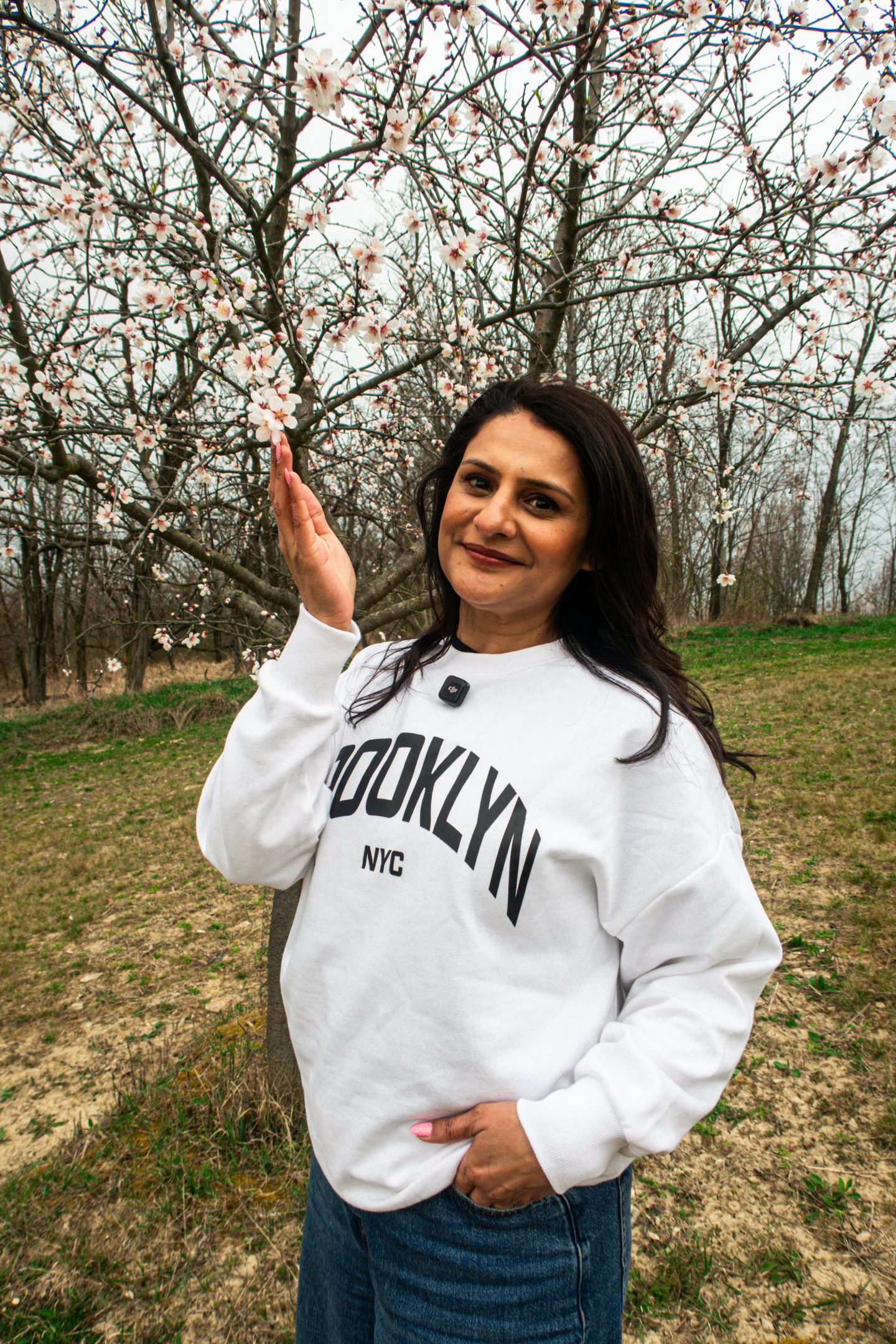
It’s a steady climb rather than anything too strenuous, but you’ll definitely want comfortable shoes – this isn’t one for heels.
Along the way, and at the top, you’ll find plenty of food stalls and local producers selling snacks and drinks, so you can take your time and enjoy the atmosphere.
There are even toilets up there, making it easy to spend a few hours wandering among the blossoms.
Local Almond Innovations
It was here that I caught up with Mandalarna, a small business dedicated entirely to almonds.
It was started by a local woman, with her daughter now helping to run it, and they’ve built a really creative range of products around the region’s orchards.
From sweet snacks and flavoured almonds to almond wine liqueur, everything is made with a focus on local ingredients. They’re constantly experimenting too, expanding into new ideas like almond-based cosmetics.
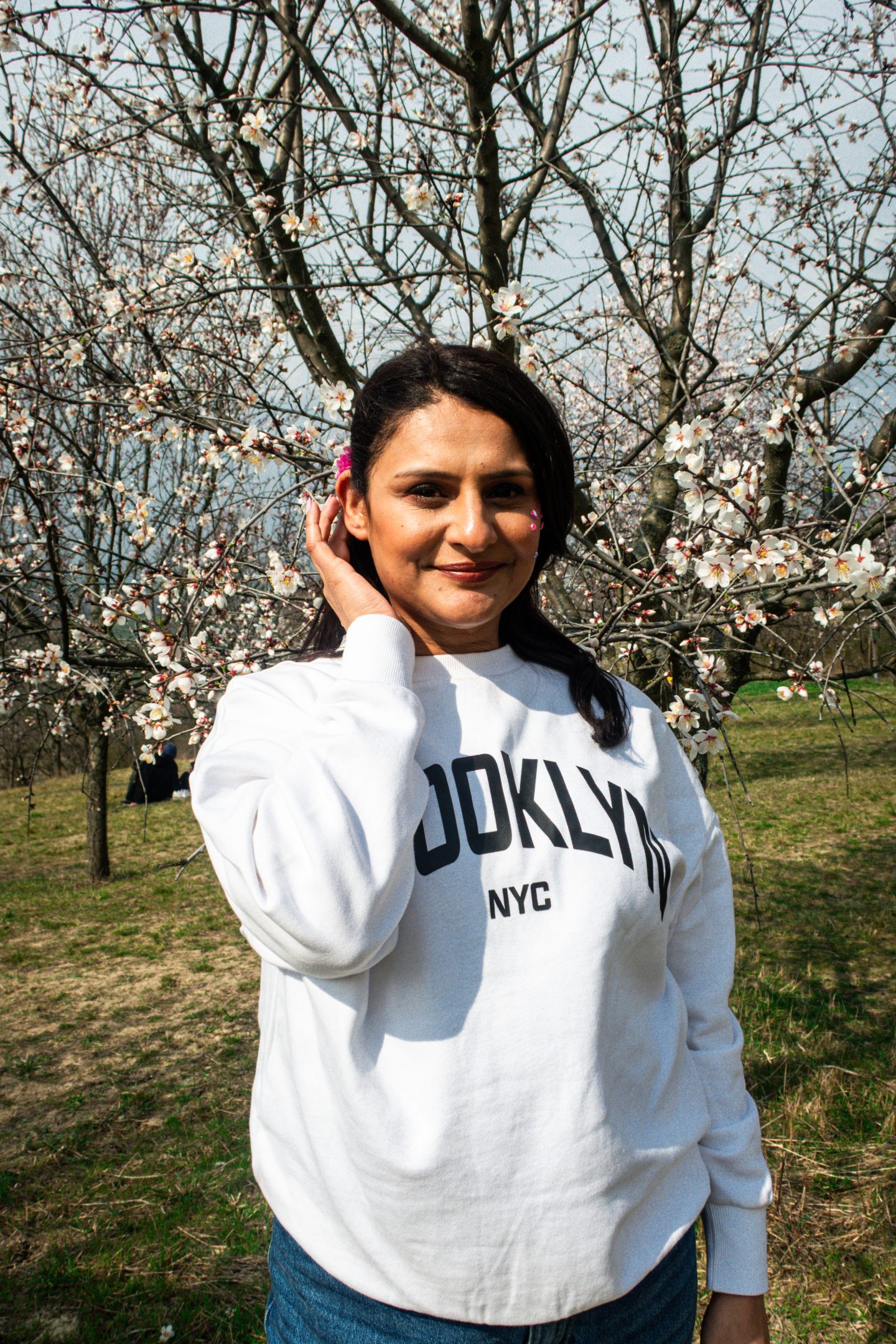
It’s a great example of how the almond tradition in Hustopeče is being kept alive in a modern, innovative way. I tried almond wine for the first time – it’s sweet, nutty and completely unique. I also had a cheeky shot of almond liquer and munched away on smoked and salted almonds.
My tip is to head up in the morning before it gets too busy. Once you reach the top, the views over the orchards are absolutely worth it.
After the hike, head back into Hustopece for the afternoon festival. The town is buzzing with locals and tourists enjoying the day. There is a big stage with live performances and even eating competitions!
Why South Moravia Needs to be on Your List
I’ve had my fair share of travel experiences, but this trip genuinely exceeded every expectation.
Exploring South Moravia’s wine country showed me a side of Europe that still feels authentic – untouched by the crowds and refreshingly uncommercialised compared to some of the more well-known wine regions.
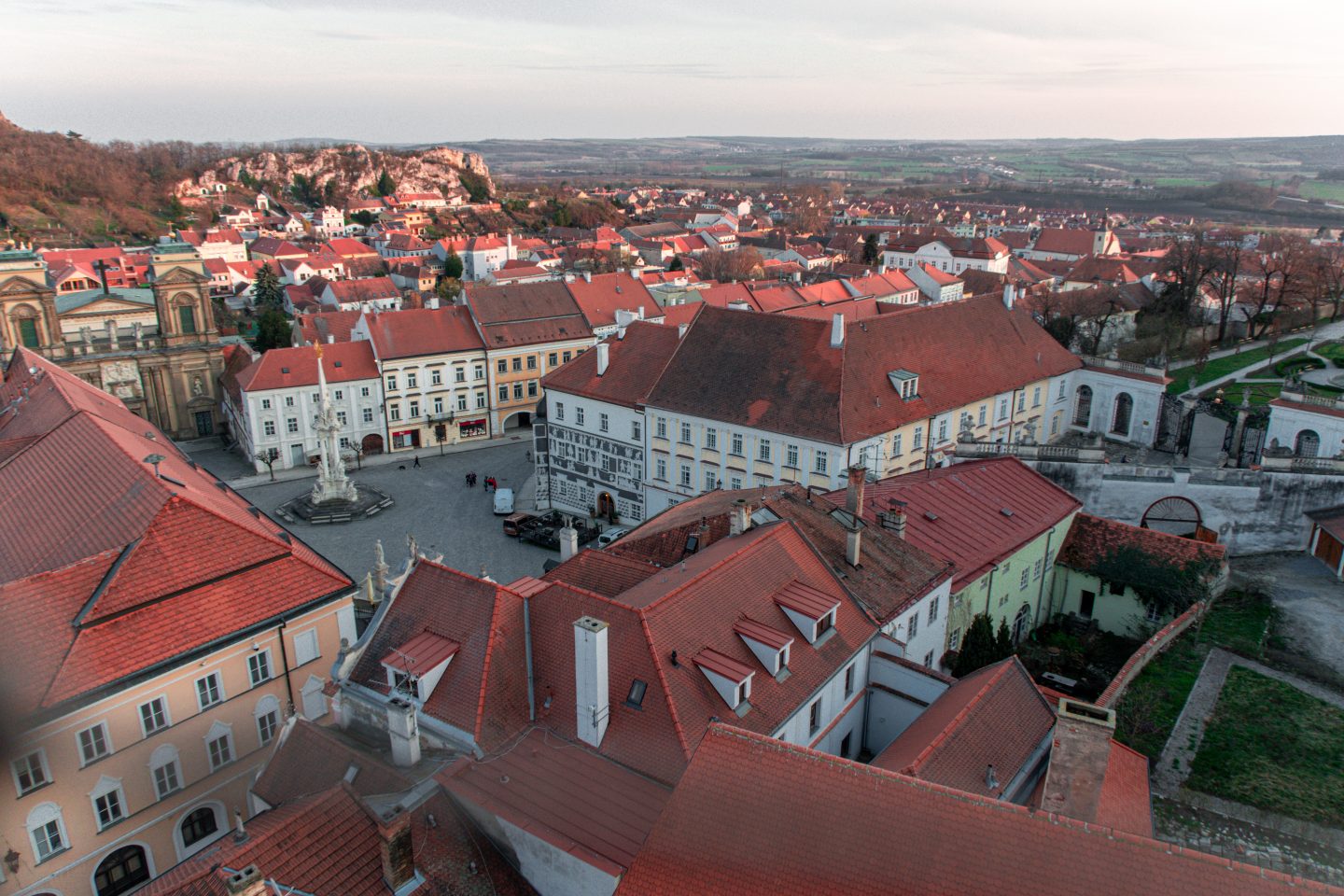
Whether you’re sipping wine in a hidden courtyard in Mikulov, wandering through ancient tunnels in Znojmo, or taking in the views from the vineyards at Thaya, there’s a real sense of discovery here that’s becoming harder to find elsewhere.
It’s the kind of place that reminds you why you travel in the first place.
South Moravia wine country deserves a spot on your list – and I already know I’ll be back.