Are you searching for the best first cruise tips? I thought I was the world’s most prepared traveller. I’d researched the ship, booked restaurants, planned outfits and watched more Virgin Voyages videos than I care to admit. I thought I knew what cruising would be like.
What I didn’t prepare for was how my body would react at sea — or how different cruising feels compared to a normal holiday.
Within the first day, I was dealing with dizziness and vertigo and ended up at the medical centre getting tablets for sea sickness. Not exactly how I imagined the start of my first-ever cruise.
That’s why I’m writing this.
If you’re planning your first cruise and wondering what to expect, what to pack, or what no one really tells you before you board, this first cruise survival guide covers everything I wish I’d known — and the first cruise tips I’d now give anyone boarding for the first time.
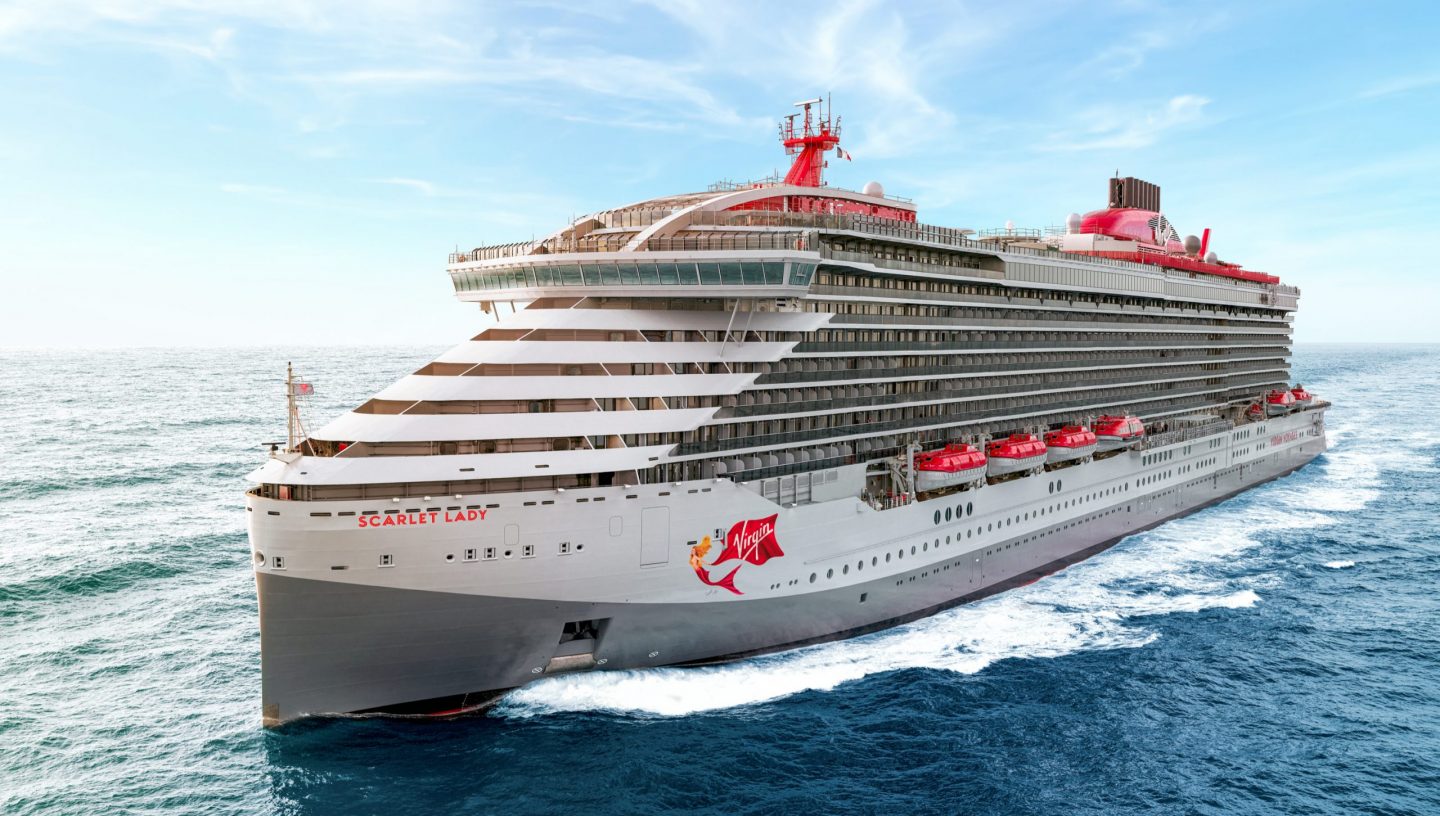
First Cruise Tips: What I Didn’t Expect Onboard
I think the biggest mistake first-time cruisers make is assuming a cruise feels like a floating hotel. It doesn’t.
A cruise has its own rhythm. You’re constantly moving, even when you don’t consciously notice it. Your surroundings shift, your sense of balance changes, and your body needs time to adjust — something no amount of Instagram research really prepares you for.
There’s also a lot happening, all the time. Restaurants, shows, ports, activities, announcements. You can read my full review of my Virgin Voyages Mediterrannean Cruise here.
On land, you can step outside, go for a walk, reset. On a ship, everything is contained, which can feel surprisingly overwhelming if you don’t pace yourself.
I expected excitement. I didn’t expect sensory overload.

First Cruise Tips for Handling Sea Sickness (and What it Actually Felt Like)
I didn’t feel sick in the way I expected. There was no dramatic nausea at first.
Instead, it was dizziness. A constant off-balance feeling. Vertigo that made it feel like the floor was gently moving even when it wasn’t. It crept up slowly, which is why I ignored it at first.
By the time I accepted something wasn’t right, it had properly set in.
I eventually went to the medical centre onboard, where they were calm, reassuring and very used to this situation. I was given tablets, told to rest, hydrate and avoid overdoing it — advice I wish I’d followed earlier.
What surprised me most was how common this is for first-time cruisers. Crew members hear it all the time. Your body isn’t “bad at cruising”; it just hasn’t adjusted yet.
If you’re prone to motion sickness, vertigo or migraines, this is something to take seriously before you board.
What I Wish I’d Packed (and Why It Matters on a Ship)
I packed well for outfits. I packed badly for comfort.
There are a few things that would have made a huge difference, especially in those first couple of days while my body was adjusting. Sea sickness tablets, bands or patches would have been an obvious one. Even if you don’t usually need them, cruising is different.
I also underestimated how important comfortable shoes would be. You walk more than you think, often on moving surfaces, and having something stable makes a real difference when you’re feeling off-balance.
Another thing I didn’t think about was small, practical comfort items — snacks that settle your stomach, hydration tablets, or anything that helps you feel normal when you’re not feeling great.
On a ship, popping out to a pharmacy isn’t always an option. What you pack matters more than it does on land.
I’ve shared my full first cruise packing list separately, because this deserves its own space.
Cabin Life on a Cruise: What First-Timers Don’t Realise
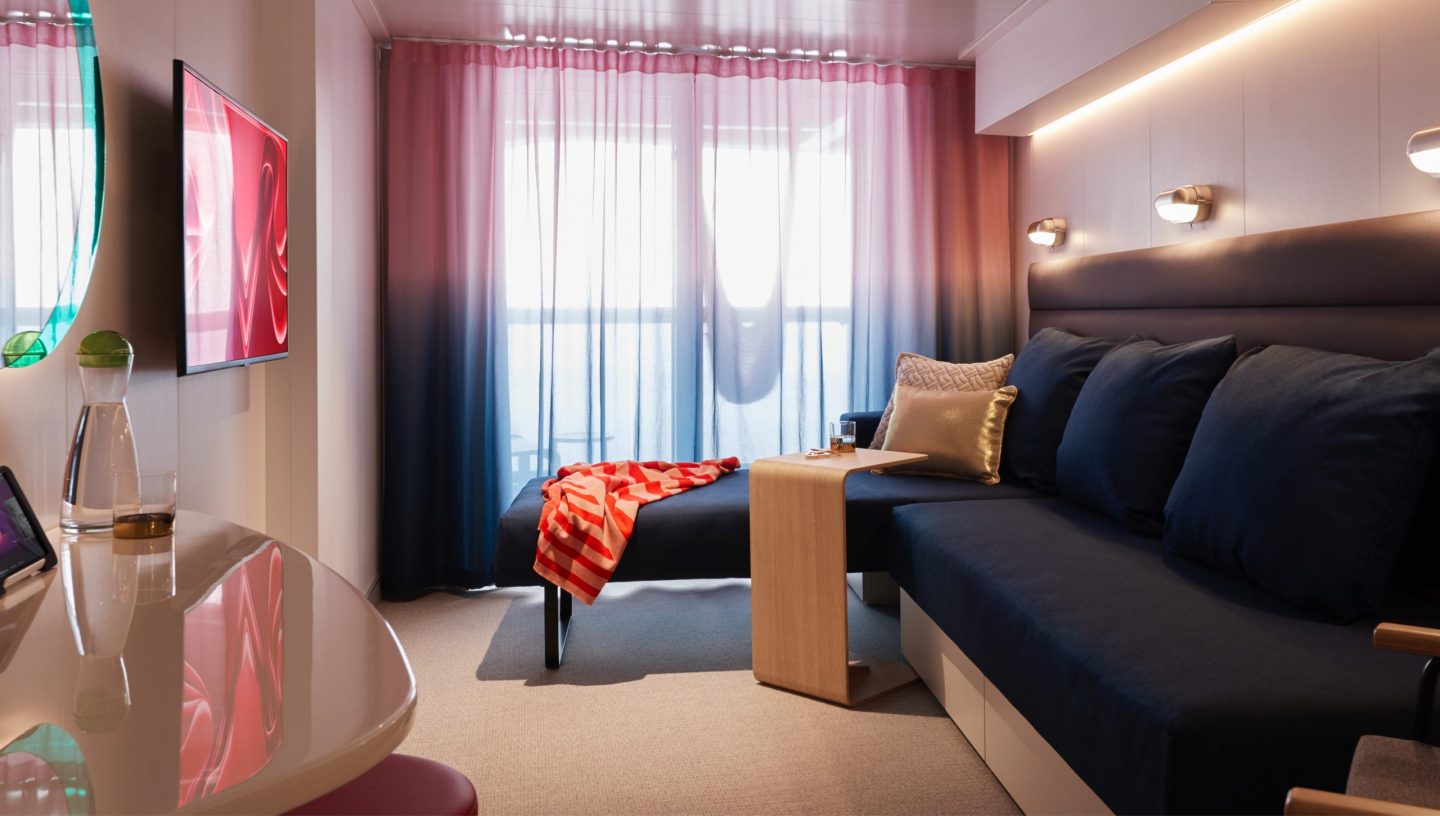
Cruise cabins are cleverly designed, but they’re not intuitive if you’ve never stayed in one before.
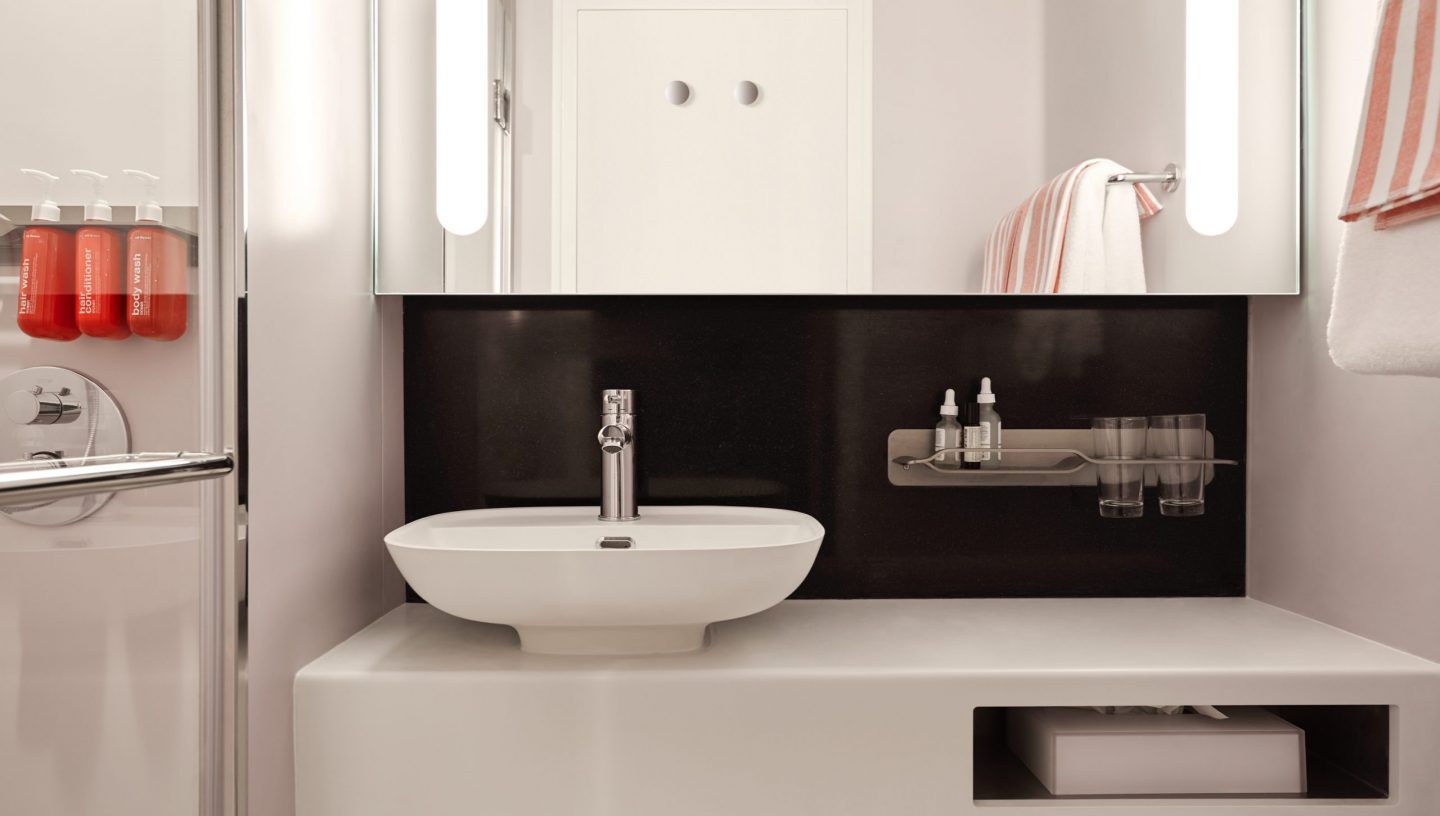
Storage is hidden. Space is tight. Everything has a place, but you only really realise that once you’ve unpacked and lived there for a few days. Overpacking makes the cabin feel cluttered very quickly.
Movement is another factor. Depending on where your cabin is located, you may feel the motion of the ship more than you expect. Mid-ship cabins tend to feel more stable — something I didn’t fully appreciate until I was already onboard.
Fresh air matters too. Even on a modern ship, being able to step outside easily or get air can make a big difference if you’re feeling dizzy or overwhelmed.
The cabin isn’t just somewhere you sleep. On a cruise, it’s your reset space — and how comfortable it feels affects your whole experience.
Virgin Voyages: What’s Different (and What Caught Me Out)
Virgin Voyages was a big part of why I booked my first cruise. Adult-only. No dress codes. No formal nights. No kids. It felt modern, relaxed and very “me”.
And in many ways, it delivered exactly that.
The dining was genuinely good, the atmosphere felt grown-up without being stuffy, and the ship felt more like a boutique hotel than a traditional cruise liner.
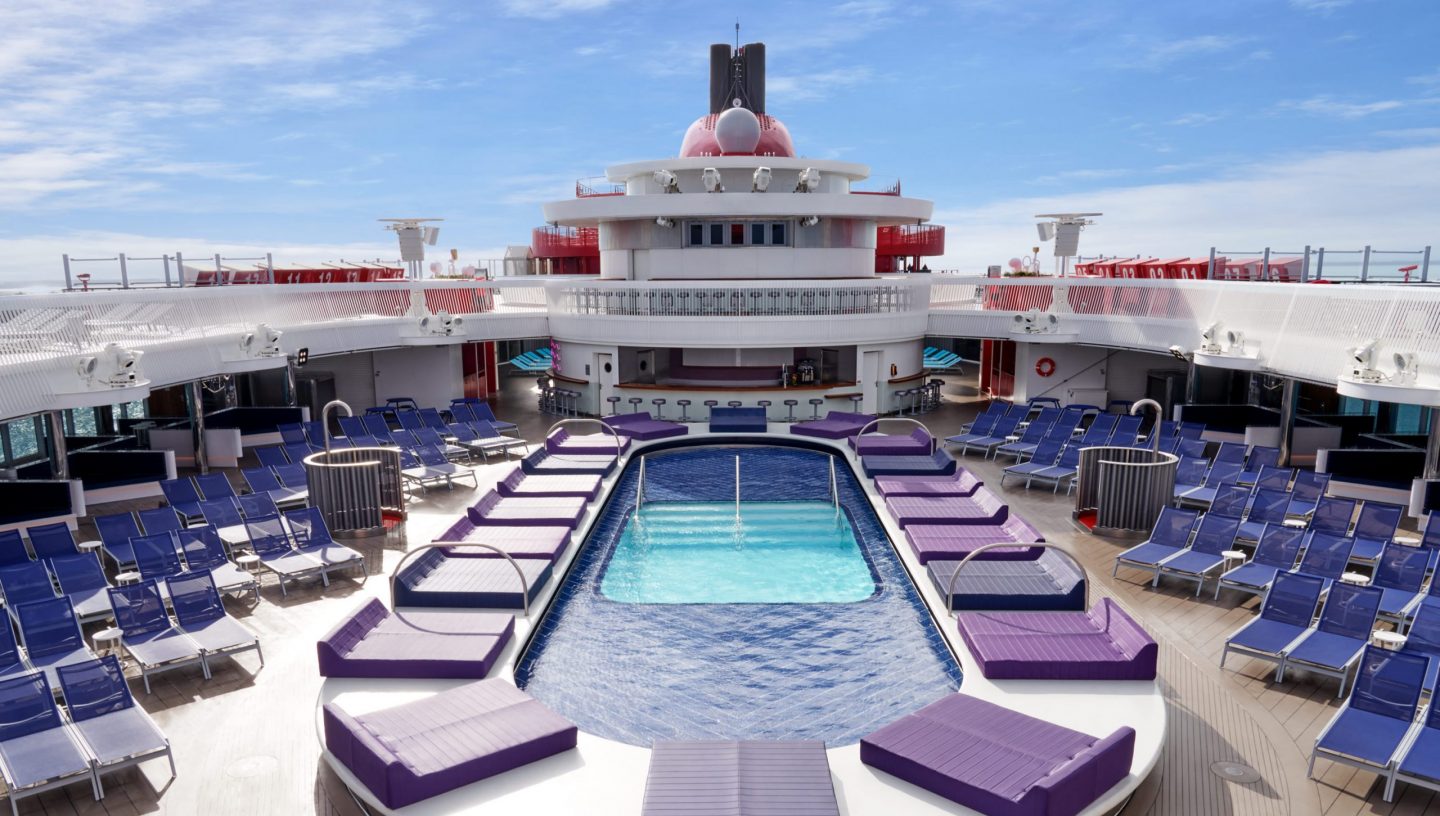
What I didn’t fully account for was how lively it can feel, especially in the evenings. There’s a buzz, music, movement and energy everywhere. That’s great when you’re feeling well. Less so when you’re trying to manage dizziness and just want calm.
Virgin Voyages is fantastic, but if it’s your first cruise, it helps to know that the vibe is active and social. Knowing when to dip in and when to retreat is key.
Dining and Entertainment: My First Cruise Tips for Staying Calm
One of the joys of cruising is choice — and one of the challenges is knowing when to stop.
Multiple restaurants, shows, pop-up performances and events run every day. On paper, it all sounds amazing. In reality, trying to do everything can be exhausting.
I learned quickly that it’s okay to skip things. You don’t have to make every show or book every restaurant in the first couple of days. Your body will thank you for slowing down.
Cruising isn’t about cramming it all in. It’s about finding your own rhythm onboard.

Port Days vs Sea Days: Pace Them Differently
Port days feel familiar. You’re on land, exploring, walking, sightseeing. Sea days are a different experience altogether.
Sea days are often when first-time cruisers feel the movement of the ship the most. Planning gentler activities, staying hydrated and spending time outside can really help.
I wish I’d treated sea days as recovery days rather than activity days. That one shift in mindset would have made a big difference early on.

Mental Expectations vs the Reality of Cruising
I expected cruising to feel effortless. Unpack once, relax, wake up somewhere new.
There is truth in that — but there’s also an adjustment period no one really talks about. You’re learning a new environment, a new routine, and how your body responds to being at sea.
Once I accepted that, everything felt easier.
Cruising isn’t something you instantly master. It’s something you ease into.
Would I Cruise Again? My Honest Thoughts and More First Cruise Tips
Yes. Absolutely.
But I’d do it differently.
I’d pack smarter. I’d prepare properly for sea sickness. I’d slow down at the start and give myself time to adjust instead of pushing through.
Your first cruise is a learning curve. That doesn’t mean it’s a mistake — it just means your second one will be better.
| Booked It, Loved It: My Top Resources Flights: Skyscanner eSIM: Holafly Travel Insurance: SafetyWing |
First Cruise FAQs
These are the first cruise tips I get asked about most since sharing my experience.
Can you get sea sick on your first cruise even if you’re usually fine?
Yes. Many first-time cruisers experience dizziness or vertigo even if they don’t normally get travel sick. Your body needs time to adjust to constant movement.
Is Virgin Voyages good for first-time cruisers?
Yes, especially if you like a modern, adult-only vibe. Just be aware that it’s lively and social, which can feel intense if you’re not feeling 100%.
How long does it take to adjust to being on a cruise ship?
For most people, one to three days. Taking it slow, staying hydrated and not overpacking your schedule can help speed things up.
Do you need data on a cruise?
You don’t really need mobile data while you’re at sea, as most cruise lines rely on onboard Wi-Fi and their own app. Mobile data rarely works at sea and, if it does, it can be very expensive due to maritime roaming.
Where data does matter is on port days. Here is the eSIM game-changer I use to stay connected whenever we dock
Ready for more cruise inspiration?
You can get more first cruise tips from my Virgin Voyages experience. I share everything about the food, the parties and the vibe.
If you’re swapping the ocean for the mountains next, check out my ultimate guide for beginners first-time skiing in Gudauri, Georgia.